Skip to content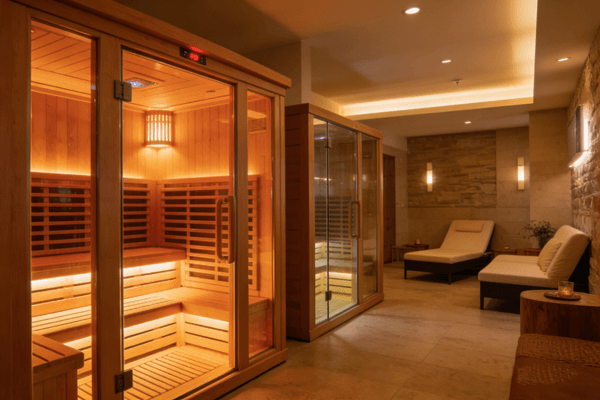
Many hotel spas struggle to attract repeat guests. Wellness demand keeps rising, but old spa features feel the same. Infrared saunas1 are now seen as a possible answer.
Infrared saunas are being added to hotel spas because they improve guest comfort, lower energy use, and support modern wellness trends2. Hotels see better reviews, stronger differentiation, and clearer return on investment.
I have seen many hotels hesitate at first. But once guests experience infrared heat, interest grows fast. This keeps people reading, asking, and booking again.
Why Are Infrared Saunas Becoming a Must-Have Feature in Modern Hotel Spas?
Hotel spas face pressure to upgrade fast. Guests now compare spa menus online before booking rooms. Old facilities no longer feel special.
Infrared saunas offer gentle heat, fast warm-up, and a modern wellness image3. These features match what today’s hotel guests expect from premium spa spaces.
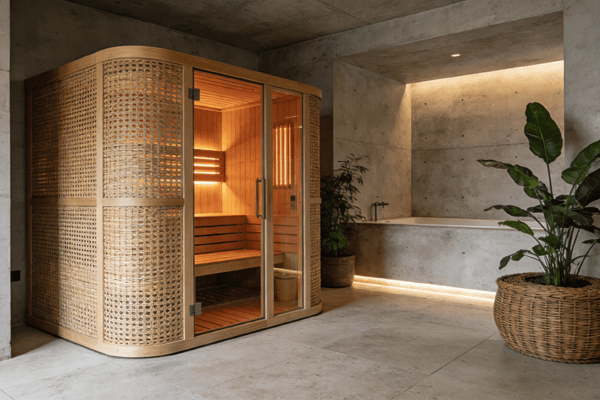
For hotels, resorts, and spa developers planning to include sauna facilities as part of their wellness offerings, working with a reliable professional sauna supplier ensures that the infrared sauna systems are designed and built for frequent use, optimized for guest comfort, and tailored to project requirements.
How wellness trends push spa upgrades
I often speak with spa managers who say the same thing. Guests ask about recovery, stress relief, and sleep. They do not ask about sauna temperature anymore. They ask about benefits.
Infrared saunas4 fit well into this shift. The heat goes deeper at lower air temperatures. Guests feel relaxed, not exhausted. This matters for travelers who want comfort, not endurance.
Why hotels prefer flexible wellness equipment5
Hotels also need equipment that works for many guests. Infrared saunas can be used by beginners, older guests, and people with limited heat tolerance. This lowers complaints and staff intervention.
| Feature | Infrared Sauna6 | Traditional Sauna |
|---|---|---|
| Warm-up time | 10–15 minutes | 30–45 minutes |
| Operating temperature | 45–60°C | 80–100°C |
| Guest comfort | High | Medium |
| Staff supervision | Low | Medium |
From a supplier view at Holie, this flexibility reduces after-sales issues. Hotels prefer stable products that guests enjoy without extra explanation.
What Do Today’s Hotel Guests Expect From a Wellness Spa Experience?
Guest expectations changed fast after global travel restarted. Wellness is no longer a luxury add-on. It is part of the room decision.
Modern hotel guests expect clean design, clear health benefits, and easy-to-use spa facilities7 that fit into short stays.
Short stays change spa behavior
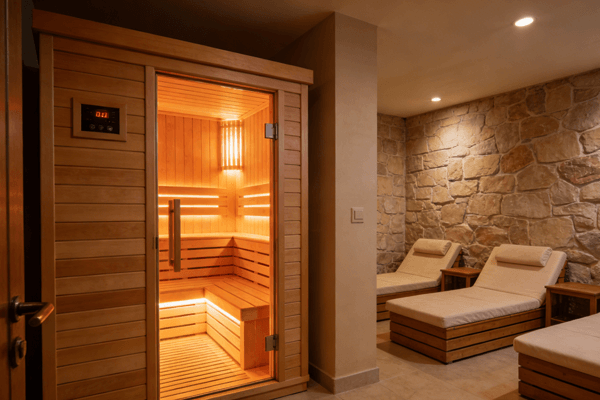
Many guests only stay one or two nights. They want quick wellness sessions8. Infrared saunas allow short use without long preparation.
I remember one resort client telling me guests skipped steam rooms because of humidity and waiting time. After adding infrared units, usage doubled within weeks.
Privacy and personal comfort matter
Guests also care about privacy9. Smaller infrared cabins10 work well for private or semi-private spa zones. This fits boutique hotels and luxury resorts.
| Guest expectation | Infrared Sauna response |
|---|---|
| Quick relaxation | Fast heat-up |
| Gentle experience | Lower air temperature |
| Privacy | Compact cabin options |
| Clean feeling | Dry heat |
These details affect reviews. Reviews affect bookings. That connection is now very direct.
Are Infrared Saunas More Appealing Than Traditional Steam Rooms or Saunas?
This question comes up in almost every project meeting. Hotels rarely remove steam rooms. But they often add infrared saunas beside them.
Infrared saunas appeal to guests who dislike humidity or extreme heat, while still delivering visible wellness benefits11.
Guest preference differences
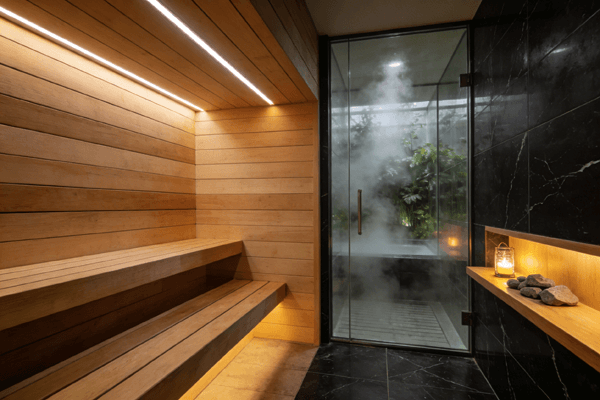
Steam rooms feel heavy for some guests. Traditional saunas feel too hot for others. Infrared sits in between.
Guests who try infrared often say they can stay longer. Longer stays mean stronger relaxation and higher satisfaction.
Operational comparison
From an operator view, infrared saunas are easier to manage. There is no steam generator, no constant moisture, and fewer corrosion issues.
| Aspect | Infrared Sauna | Steam Room |
|---|---|---|
| Moisture | None | High |
| Maintenance | Low | High |
| Energy load | Lower | Higher |
| Guest complaints12 | Fewer | More |
This is why many hotels now treat infrared as a safe upgrade path.
How Does an Infrared Sauna Improve Guest Satisfaction and Online Reviews?
Guest reviews are now public sales tools. A few strong wellness reviews can change booking rates.
Infrared saunas13 often appear in positive reviews14 because guests feel clear benefits without discomfort.
Comfort leads to positive language
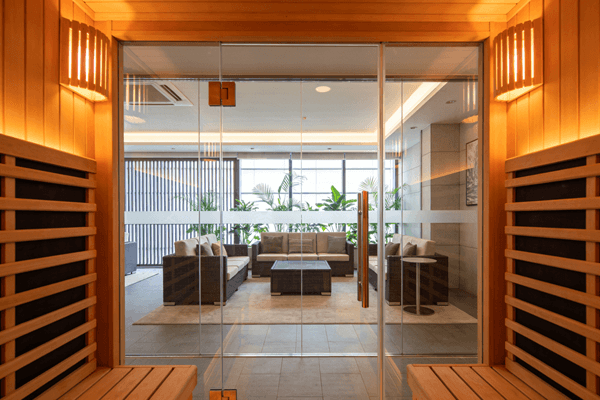
Guests describe experiences with words like “relaxing,” “gentle,” and “easy.” These words attract new guests who fear extreme heat.
I have seen reviews mention infrared saunas15 even when they were not highlighted in marketing. This means guests remember them.
Reduced negative feedback
Hotels also see fewer complaints. Dry heat16 reduces dizziness, humidity discomfort, and cleaning smells.
| Review factor | Impact |
|---|---|
| Comfort | Higher ratings |
| Ease of use | Fewer complaints |
| Clean feeling | Better trust |
| Uniqueness | More mentions |
This directly affects OTA rankings and repeat bookings.
Can Infrared Saunas Help Hotels Stand Out in a Competitive Wellness Market?
Competition in wellness hotels is intense. Many spas look similar online.
Infrared saunas help hotels create a modern wellness image17 without major renovation.
Visual differentiation
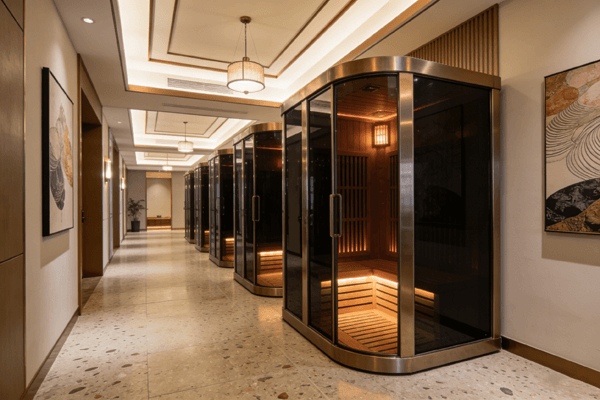
Infrared cabins18 have clean lines and warm lighting. They photograph well. This matters for websites and booking platforms.
Hotels can position infrared as a recovery or detox feature19. This works well for resorts, city hotels, and business hotels.
Marketing flexibility
Infrared saunas fit many wellness themes. They support recovery, relaxation, and stress care. This gives marketing teams20 more story options.
| Market type | Infrared positioning |
|---|---|
| Resort | Deep relaxation |
| Business hotel | Stress relief |
| Wellness retreat | Detox support |
| Boutique hotel | Private experience |
This flexibility adds value beyond the hardware.
How Much Does It Cost to Install an Infrared Sauna in a Hotel Spa?
Cost is always a serious question. Hotels need clear numbers.
Infrared sauna installation costs21 are usually lower than steam rooms because of simpler construction and lower technical requirements.
Main cost components
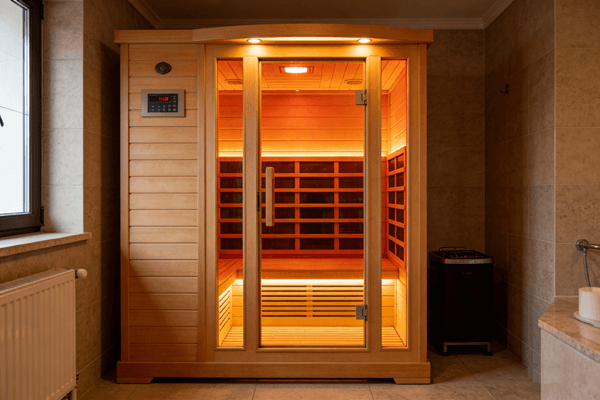
Costs depend on size, material, and customization. Power supply is simpler. No water line is needed.
From our projects at Holie, many hotels choose modular cabins22 to control budget.
| Cost item | Infrared Sauna |
|---|---|
| Cabin | Medium |
| Electrical work | Low |
| Plumbing | None |
| Ventilation | Simple |
This makes budgeting easier for new or renovated spas.
What Is the ROI of Adding an Infrared Sauna to a Hotel or Resort?
Return on investment23 matters more than trends.
Infrared saunas generate ROI through higher spa usage, better reviews, and stronger room booking appeal.
Revenue and indirect value
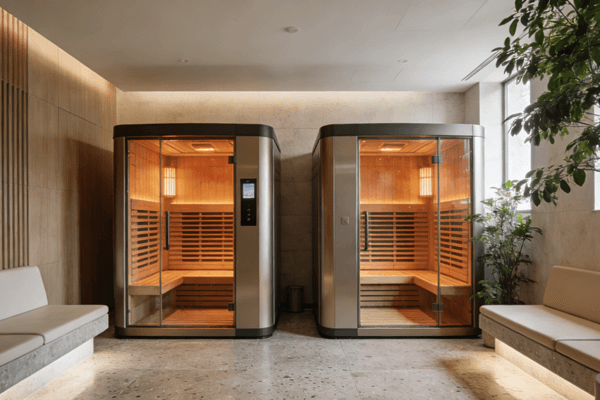
Infrared sessions can be included in spa packages or sold separately. Even when free, they support room pricing.
Hotels also save energy compared to steam rooms. This reduces operating cost.
| ROI source | Value |
|---|---|
| Spa usage | Increased |
| Energy cost | Reduced |
| Reviews | Improved |
| Brand image | Stronger |
Many hotels recover costs within one to two years.
Are Infrared Saunas Easy to Maintain for Hotel and Spa Operations?
Maintenance affects daily operations.
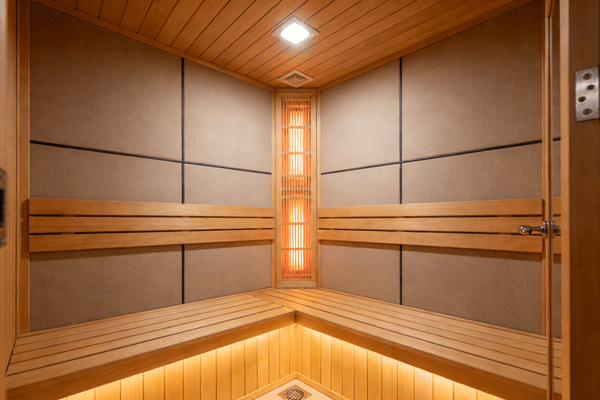
Infrared saunas are easy to maintain because they have fewer mechanical parts and no moisture system.
Staff workload
Cleaning is simple. Dry surfaces reduce mold risk. Staff training24 is minimal.
This matters for hotels with high staff turnover.
| Maintenance task | Frequency |
|---|---|
| Surface cleaning | Daily |
| Heater check | Monthly |
| Electrical inspection | Annual |
This lowers long-term stress for spa managers.
Do Infrared Saunas Consume Less Energy Than Steam Rooms or Traditional Saunas?
Energy cost is a growing concern.
Infrared saunas usually consume less energy25 because they heat the body directly instead of heating air or water.

Energy comparison
Infrared heaters26 work efficiently at lower temperatures. Steam generators27 require constant power.
| Sauna type | Energy use |
|---|---|
| Infrared | Low |
| Traditional | Medium |
| Steam room | High |
This supports sustainability goals and cost control.
Which Types of Hotels Benefit Most From Infrared Sauna Installations?
Not every hotel has the same needs.
Infrared saunas benefit hotels that value flexibility, fast guest turnover, and modern wellness branding28.

Best-fit hotel types
Boutique hotels love compact designs. Resorts like guest comfort. Business hotels value fast use.
| Hotel type | Benefit level |
|---|---|
| Boutique | High |
| Resort | High |
| Business | Medium |
| Budget | Selective |
Infrared adapts well across segments.
Infrared Sauna vs Steam Room: Which Is Better for Hotel Spas?
This is not a replacement question. It is a balance question.
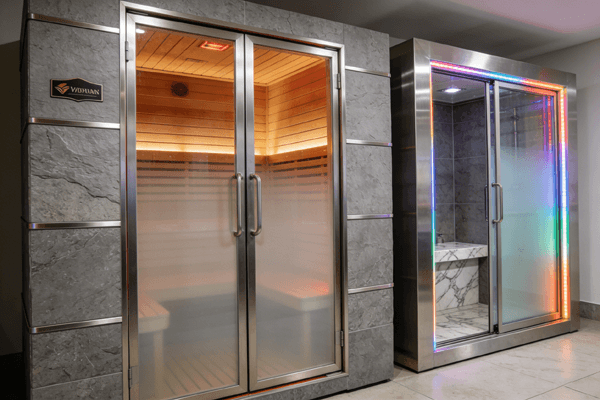
Infrared saunas offer comfort and efficiency, while steam rooms29 offer tradition and humidity-based relaxation.
Combined strategy
Many hotels install both. This gives guests choice and reduces negative feedback.
| Factor | Infrared | Steam |
|---|---|---|
| Comfort | High | Medium |
| Tradition | Low | High |
| Maintenance | Low | High |
Choice often wins.
Infrared Sauna vs Traditional Sauna: What Should Hotel Owners Choose?
Owners must think long-term.
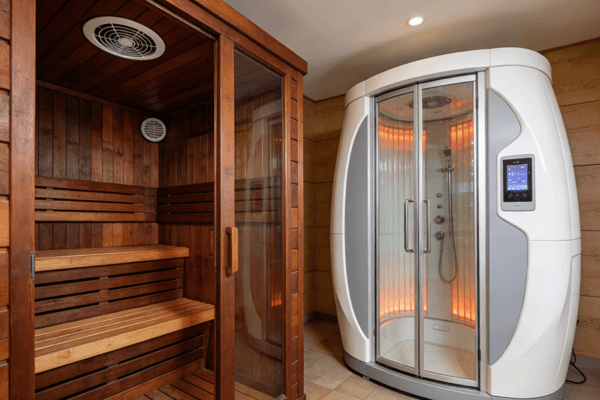
Infrared saunas suit modern guest behavior, while traditional saunas appeal to experienced sauna users.
Decision logic
Hotels with international guests often prefer infrared. Nordic-focused resorts may keep traditional saunas30.
| Guest profile | Better option |
|---|---|
| First-time users | Infrared |
| Sauna fans | Traditional |
| Mixed guests | Both |
This reduces risk.
Are Infrared Saunas Safe and Compliant for Commercial Hotel Use?
Safety is not optional.
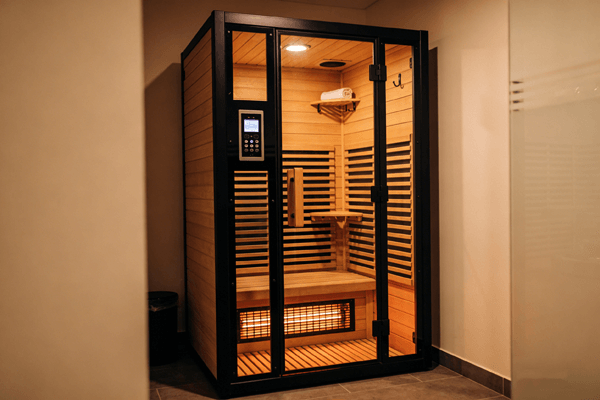
Infrared saunas are safe when built to commercial standards and installed correctly.
Safety features
Modern infrared saunas include temperature limits, timers, and certified heaters.
Hotels should work with experienced suppliers. This avoids compliance issues31.
Do Hotels Need Special Certifications to Install Infrared Saunas?
Certification depends on market.
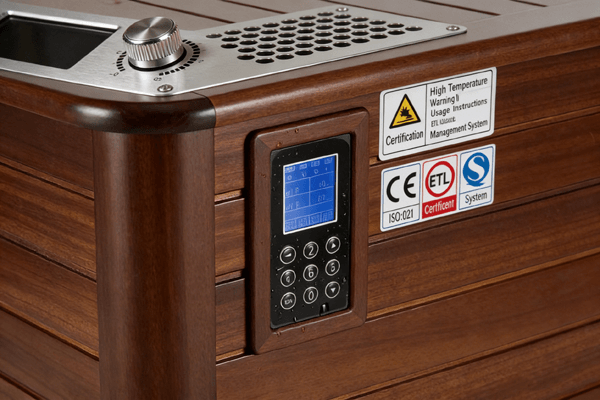
Most hotels need standard electrical and safety compliance32, not special spa licenses, for infrared saunas.
Market differences
EU, North America, and UK require CE or equivalent. Local inspection rules apply.
This is where supplier experience matters.
What Should Hotel Owners Consider When Buying an Infrared Sauna for a Spa?
Buying decisions shape long-term results.
Hotel owners should focus on durability, certification, after-sales support33, and supplier reliability34.

Key buying checklist
| Item | Why it matters |
|---|---|
| Certification | Legal compliance |
| Materials | Long lifespan |
| Warranty | Risk control |
| Packing | Safe delivery |
At Holie, we focus on these points because hotel projects allow no mistakes.
Is Custom Branding or Private Label Infrared Sauna35 Important for Hotels?
Brand image matters more now.
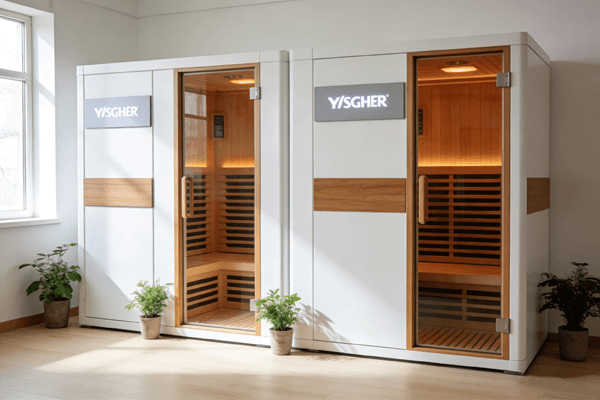
Custom branding36 helps hotels align spa equipment with their interior design and brand story.
When branding adds value
Luxury hotels often want logo plates or custom wood finishes. This strengthens brand memory.
OEM options also help wellness brands expand product lines.
Is an Infrared Sauna the Right Wellness Investment for Your Hotel Spa in 2025?
The final question is timing.
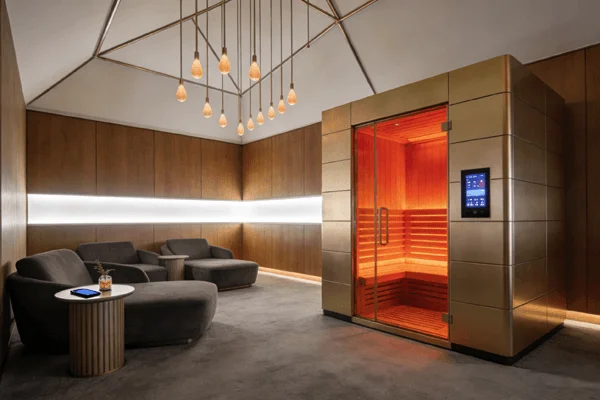
In 2025, infrared saunas match guest demand, operational efficiency, and wellness branding37 needs for many hotels.
Final thought
Infrared saunas are not a trend alone. They are a response to guest behavior, cost pressure, and competition.
Hotels that act early gain reviews, loyalty, and positioning. Those who wait may follow later at higher cost.
Conclusion
Infrared saunas help hotels improve guest comfort, reduce operating stress, strengthen wellness branding, and achieve better long-term returns when chosen and installed with care.
-
Explore the benefits of Infrared saunas to understand how they enhance guest experience and boost hotel spa appeal. ↩
-
Discover the latest modern wellness trends to stay ahead in the hospitality industry and attract more guests. ↩
-
Discover how a strong wellness image can enhance guest experiences and attract more visitors to hotel spas. ↩
-
Explore the benefits of Infrared saunas to understand why they are becoming essential in modern hotel spas. ↩
-
Discover why flexible wellness equipment is crucial for hotels to cater to diverse guest needs and improve overall experience. ↩
-
Explore the advantages of Infrared Saunas for hotels, enhancing guest satisfaction and reducing staff intervention. ↩
-
Discover insights on designing user-friendly spa facilities that cater to modern hotel guests' needs. ↩
-
Discover tips on maximizing wellness sessions for short stays, enhancing guest satisfaction and experience. ↩
-
Discover insights on the significance of privacy in hospitality and how it impacts guest satisfaction and bookings. ↩
-
Explore this link to understand how infrared cabins enhance guest privacy and comfort in spa settings. ↩
-
Explore the various wellness benefits associated with sauna use, enhancing your understanding of their positive impacts on health. ↩
-
Learn effective strategies to minimize guest complaints and enhance satisfaction in wellness facilities. ↩
-
Explore this link to understand how Infrared saunas enhance wellness and guest experiences, boosting satisfaction and reviews. ↩
-
Discover insights on the significance of positive reviews in attracting new customers and improving booking rates. ↩
-
Explore the benefits of infrared saunas to understand why they enhance guest experiences and attract more visitors. ↩
-
Learn how dry heat contributes to guest comfort and satisfaction, leading to better reviews and fewer complaints. ↩
-
Learn about creating a modern wellness image to stand out in the competitive hotel market. ↩
-
Explore the advantages of Infrared cabins to enhance your hotel's wellness offerings and attract more guests. ↩
-
Learn effective marketing strategies for recovery or detox features to boost your hotel's appeal and guest satisfaction. ↩
-
Explore this link to discover innovative strategies that marketing teams can use to promote wellness products effectively. ↩
-
Understanding the costs can help hotels budget effectively for spa renovations. ↩
-
Exploring modular cabins can reveal cost-effective and flexible solutions for hotel spas. ↩
-
Learn how to effectively calculate ROI for hotel amenities to make informed investment decisions. ↩
-
Learn effective staff training strategies to ensure smooth operations and high service quality in your spa. ↩
-
Learn how saunas consume less energy to make informed choices about your heating options and sustainability. ↩
-
Explore this link to understand how Infrared heaters can save energy and reduce costs effectively. ↩
-
Learn about the energy demands of Steam generators and their implications for sustainability. ↩
-
Learn about the importance of modern wellness branding in attracting guests and boosting hotel reputation. ↩
-
Discover the advantages of steam rooms, including their traditional appeal and relaxation benefits. ↩
-
Learn about the benefits of traditional saunas to see why they appeal to experienced users. ↩
-
This resource will help you identify potential compliance issues and ensure your hotel meets all necessary regulations. ↩
-
Understanding safety compliance is crucial for hotels to ensure guest safety and avoid legal issues. ↩
-
Understanding after-sales support can ensure you receive help and maintenance, maximizing your sauna's lifespan and performance. ↩
-
Exploring supplier reliability helps you choose trustworthy partners, ensuring quality products and consistent service for your hotel. ↩
-
Learn how private label infrared saunas can elevate wellness offerings in hotels. ↩
-
Explore how custom branding can enhance a hotel's image and guest experience. ↩
-
Discover how effective wellness branding can elevate your hotel's reputation and guest satisfaction. ↩