Skip to content
 I sit in a sauna and wait for sweat, but my skin stays dry. I start to wonder if the sauna works for me. Many people experience the same doubt during early sauna use.
Not sweating in a sauna is common and often normal. Sweat depends on heat, humidity, time, and individual body response, not just temperature or effort. The absence of visible sweat does not mean the sauna is ineffective.
Understanding what truly controls sweating helps improve the sauna experience safely, without forcing the body or chasing sweat as the only result.
I want to explain what influences sweating in a sauna and how the body adapts over time, so expectations stay realistic and sessions remain safe.
Why Do Some People Sweat Less in a Sauna Than Others?
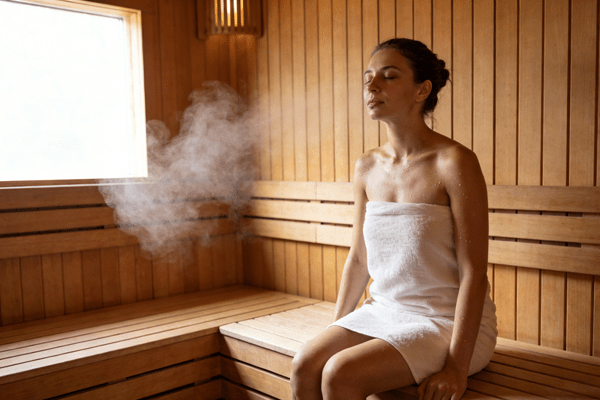
I often hear people compare sweat levels in the sauna. This comparison creates confusion and frustration. Sweating is not equal for everyone.
Not sweating in a sauna is common and often normal. Sweat depends on heat, humidity, time, and personal response, not just temperature or effort.
Sweat response depends on how the body manages heat1, circulation, and adaptation, not on willpower or tolerance alone.
I want to explain what truly controls sweating in a sauna and how the experience can be improved safely without forcing the body.
Does Sweating Less Mean the Sauna Is Not Working?
I once believed sweat was the only proof that a sauna session worked. Over time, I learned this idea was wrong. The sauna affects the body before sweat appears.
Heat exposure increases heart rate and improves blood flow2. Blood vessels open, and muscles relax. These changes often happen silently. Sweat is only a visible sign, not the main goal.
Some people feel calm and relaxed without sweating much. This still means the body is responding to heat. The nervous system3 is active, and circulation is improving.
| Myth | Reality |
|---|---|
| Sweat equals detox | Organs manage detox |
| No sweat means failure | Heat response still happens |
| More sweat is better | Balance matters more |
Is It Normal Not to Sweat Much During Your First Sauna Sessions?
Yes, it is very normal. During early sessions, the body treats heat as stress. The nervous system stays alert. Sweat glands activate slowly.
With repeated sauna use4, the body learns to manage heat better. Sweat response improves naturally. This process may take several sessions or even weeks.
Short sessions at the beginning are recommended. Comfort and consistency matter more than sweat volume.
Do Age, Fitness Level, or Genetics Affect Sauna Sweating?
These factors play a strong role. Fit individuals often sweat faster because their bodies manage heat efficiently. Age can reduce sweat gland activity, but this change is not permanent.
Genetics affect how many sweat glands a person has. Some people naturally sweat less. This does not reduce sauna benefits.
Regular sauna use helps most people improve heat response over time, regardless of age.
What Actually Makes You Sweat More in a Sauna?
Sweating is controlled by several factors working together. Many people focus only on temperature and ignore other elements.
Sweat begins when the body cannot cool itself through circulation alone and needs evaporation support.
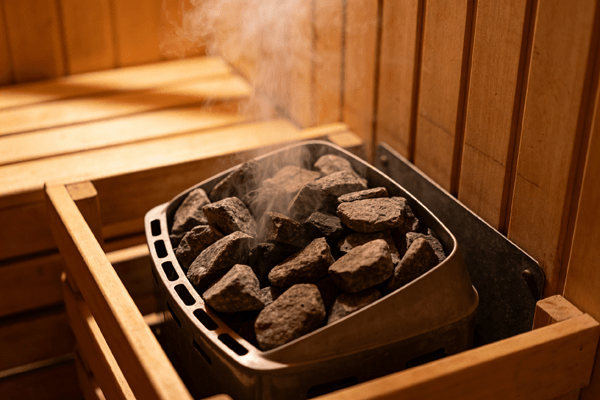
For hotel spas, wellness centers, and commercial facilities, sauna performance is also influenced by professional design and construction. Working with an experienced commercial sauna manufacturer helps ensure proper heat distribution, airflow, and user comfort in commercial sauna installations.
Is Higher Temperature the Only Way to Sweat More?
Higher temperature increases heat stress, but it is not the only method. Raising heat too fast often causes discomfort instead of sweat.
Time plays an important role. A stable temperature held long enough often works better than extreme heat.
Gentle heat allows the body to adapt and activate sweat naturally.
How Does Humidity Change How Much You Sweat?
Humidity changes how sweat feels and appears. In dry saunas, sweat evaporates fast. Skin may look dry even when sweating.
In humid environments, sweat stays on the skin. This creates a stronger sensation at lower temperatures.
Humidity does not always increase sweat production. It changes evaporation speed.
| Condition | Sweat Feeling |
|---|---|
| Dry sauna5 | Light, fast evaporation |
| Humid sauna | Heavy, visible sweat |
| Balanced | Controlled response |
Does Staying Longer in the Sauna Always Increase Sweat?
Staying longer can help, but only to a limit. After adaptation, sweat rate stabilizes.
Long sessions without breaks increase dehydration risk. Short rounds with rest periods often work better.
Structure matters more than duration.
How Can You Sweat More in a Sauna Naturally and Safely?
I prefer preparation instead of force. Simple habits before entering the sauna make a real difference.
Safe sweating starts before the sauna session begins.
Should You Drink Water Before a Sauna to Sweat More?
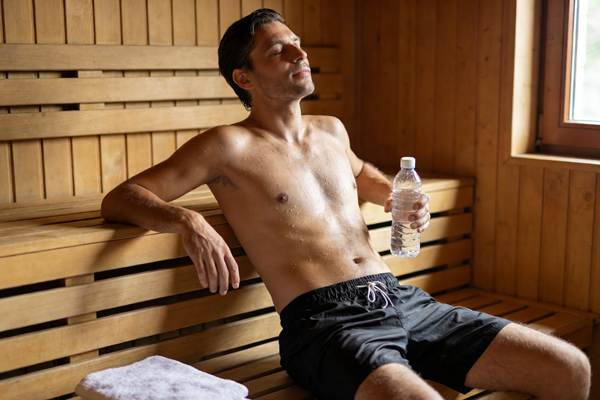
Yes. Sweat comes from body fluids. Without enough water, the sweat response slows.
I usually drink water 20 to 30 minutes before a session. This helps absorption and comfort.
Avoid alcohol before sauna use. It increases dehydration risk.
Does Showering or Exfoliating Before Sauna Help You Sweat?
A warm shower raises skin temperature. This helps sweat start earlier.
Exfoliation removes dead skin. It does not create sweat, but it improves flow on the skin surface.
Cold showers delay sweating and reduce early heat response.
Can Light Movement or Stretching Increase Sweat Output?
Light stretching increases circulation. This helps heat spread evenly.
I avoid intense exercise inside the sauna. Gentle movement is enough.
The goal is heat adaptation, not exhaustion.
Does Sauna Type Affect How Much You Sweat?
Sauna design changes how heat reaches the body. This affects sweat timing and sensation.
Different sauna types create different sweat experiences.
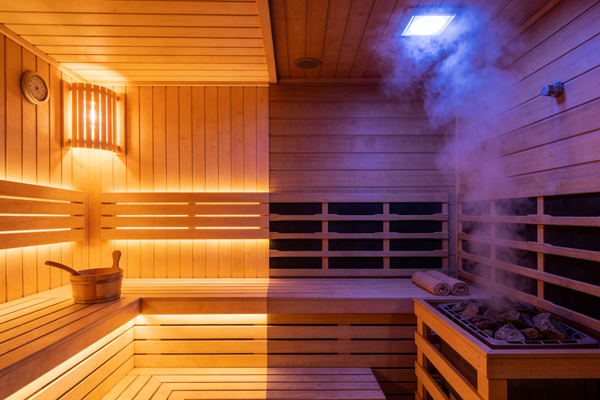
Do Infrared Saunas Make You Sweat Less Than Traditional Saunas?
Infrared saunas6 use radiant heat. Air temperature is lower, so sweat may start later.
Heat penetrates deeper into tissue. Many users experience delayed but steady sweating.
This difference is about sensation, not effectiveness.
Which Sauna Type Makes You Sweat the Most?
Steam rooms create fast visible sweat. Dry saunas produce gradual sweating. Infrared saunas produce deeper heat response.
There is no single best type. Choice depends on comfort and goals.
At Holie, we design different sauna systems to fit homes, hotels, and wellness projects.
| Sauna Type | Heat Source | Sweat Timing |
|---|---|---|
| Dry sauna | Hot air | Gradual |
| Steam room7 | Humid air | Fast |
| Infrared | Radiant panels | Delayed |
Is More Sweat in a Sauna Actually Better for Your Body?
More sweat does not mean better results. Excess sweat increases stress and fluid loss.
Comfort and recovery matter more than volume.
I focus on how my body feels after the session.
Are There Common Mistakes That Prevent You From Sweating in a Sauna?
Many sweating issues come from small mistakes. These are easy to correct.
Position, airflow, and clothing strongly affect heat absorption.8
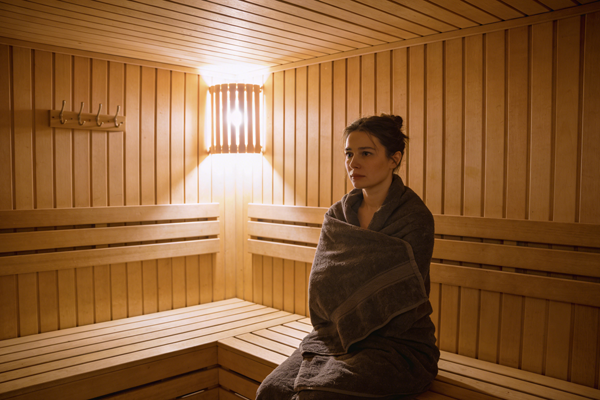
Can Sitting Too Far From the Heat Reduce Sweating?
Heat rises. Lower benches are cooler. Sitting low delays sweating.
Moving slightly higher often changes the experience quickly.
Adjust slowly to avoid discomfort.
Does Using Towels or Clothing Block Heat Absorption?
Thick towels block radiant heat. Clothing traps heat unevenly.
I sit on a towel but keep skin exposed.
Light and breathable fabrics work best.
Can Overusing Air Vents Stop You From Sweating?
Strong airflow cools the skin. Sweat evaporates before appearing.
Ventilation is needed, but balance is important.
Adjust airflow to allow heat buildup.
Is Sweating More in a Sauna Always a Good Thing?
Sweat feels rewarding, but too much creates risk.
Healthy sauna use balances heat and recovery.
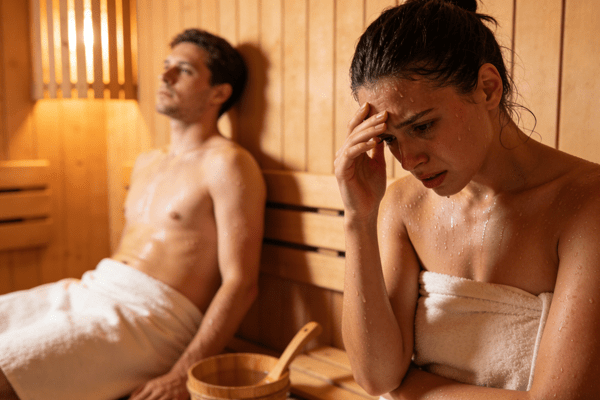
How Much Sweating Is Too Much in a Sauna?
Constant dripping sweat with dizziness is a warning sign.
The body signals when to stop.
I leave before discomfort appears.
What Are the Signs You Should Leave the Sauna Immediately?
Nausea, chest pressure, confusion, or weakness are serious signs9.
Leaving early is smart, not failure.
Cooling down supports recovery.
Can Excessive Sweating Cause Dehydration or Health Risks?
Yes. Electrolyte loss affects muscles and heart rhythm.
Hydration and rest10 reduce these risks.
Sauna use should support health.
How Long Does It Usually Take to Start Sweating in a Sauna?
Sweat timing varies. Comparing with others creates false expectations.
Adaptation and environment control sweat onset.
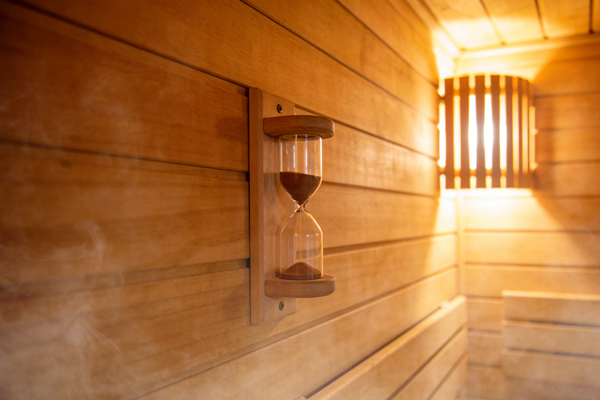
Why Do Some People Sweat Within Minutes While Others Don’t?
Experienced users sweat faster. New users need more time.
Stress and circulation also matter.
There is no correct timing.
Does Regular Sauna Use Help You Sweat Faster Over Time?
Yes. Regular use improves heat tolerance.
Sweat response becomes faster and smoother.
Consistency matters more than intensity.
What’s the Best Way to Improve Your Sauna Experience Long-Term?
Long-term improvement comes from structure and quality design.
Good habits and proper equipment create safe results.
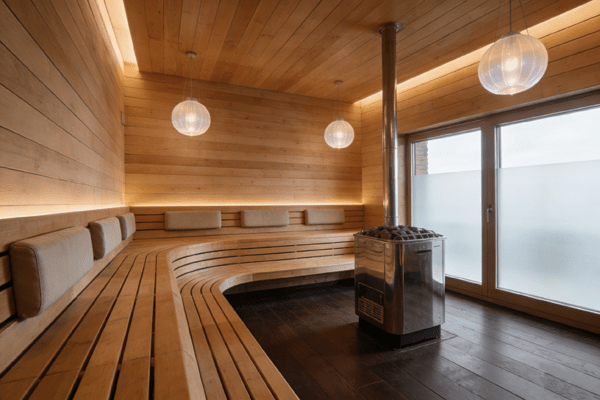
Can Regular Sauna Use Improve Heat Tolerance and Sweating?
Repeated exposure trains the body.
Sessions feel easier over time.
This supports wellness and recovery.
How Do Professional Saunas Differ From Home Models?
Professional saunas offer stable heat, safe materials, and better insulation.
At Holie, we focus on balanced heat design and long-term reliability for projects and homes.
Quality equipment supports safe sweating.
Conclusion
Not sweating in a sauna is common and normal. Sweat depends on heat, humidity, preparation, and personal adaptation. By understanding these factors, I can stop chasing sweat, use the sauna safely, and improve results over time while supporting real wellness and long-term health.
-
How sweat works and why we sweat – https://www.houstonmethodist.org/blog/articles/2020/aug/how-sweat-works-why-we-sweat-when-we-are-hot-as-well-as-when-we-are-not/ ↩
-
Benefits of sauna bathing for heart health – https://www.uclahealth.org/news/article/benefits-sauna-bathing-heart-health ↩
-
Sauna and nervous system effects – https://pmc.ncbi.nlm.nih.gov/articles/PMC10681252/ ↩
-
Sauna benefits overview – https://www.goodrx.com/well-being/alternative-treatments/sauna-benefits?srsltid=AfmBOopngCJjpKDkWUdUm75oKGvGLgX7TOQkPzSkF34ltoOX_yJpX1yy ↩
-
Sauna benefits and safety – https://health.clevelandclinic.org/sauna-benefits ↩
-
Infrared sauna overview – https://www.mayoclinic.org/healthy-lifestyle/consumer-health/expert-answers/infrared-sauna/faq-20057954 ↩
-
Steam room benefits – https://www.healthline.com/health/steam-room-benefits ↩
-
Sauna suits and heat effects – https://www.webmd.com/fitness-exercise/what-is-sauna-suit ↩
-
Signs you stayed too long in a sauna – https://sunhomesaunas.com/blogs/saunas/can-you-stay-too-long-in-a-sauna-signs-to-watch-for?srsltid=AfmBOooDm7KGsvj6KnyQDdjJw9BBHbSuBVi7vOG9TItolviUV-x1RZIj ↩
-
Hydration, fluid loss, and heat stress – https://pmc.ncbi.nlm.nih.gov/articles/PMC2908954/ ↩