Skip to content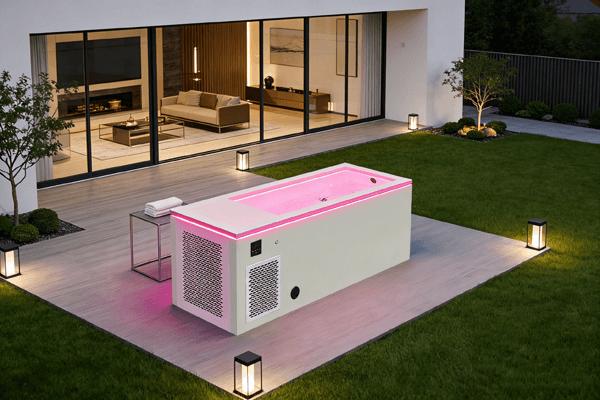
I felt overwhelmed by new cold plunge choices, and I needed a simple way to compare them fast.
The best ice bath tub1 in 2026 depends on temperature control, material, filtration, insulation, and long-term durability for home or commercial use.
I wrote this full guide to help you avoid mistakes and pick a cold plunge2 that actually fits your goals.
What Should You Know Before Buying an Ice Bath Tub?
I saw many buyers jump into cold plunges without understanding the basics, and they ended up confused or disappointed.
Cold plunge tubs3 work best when buyers understand benefits, limitations, and essential safety factors before choosing a model.
I look at this topic from many angles because cold exposure affects everyone differently. Below, I break down the key ideas that shaped my own decisions when I tested different models for wellness buyers.
What health benefits can cold plunging actually offer?
Cold plunging is popular because people feel fast results, but I learned that the benefits depend on consistency.
Cold exposure may support muscle recovery, inflammation control, mental clarity, and stress reduction. I also noticed that many Holie sauna clients pair a cold plunge with heat therapy to boost circulation and energy. Buyers should still understand that benefits vary from person to person. Some feel a strong effect; others feel mild improvement.
The most important idea I learned is that cold exposure4 is a stimulus. It helps the body respond, but it does not replace sleep, diet, or physical therapy.
Below is a simple table summarizing common benefits:
| Common Benefit | How It Helps | Notes |
|---|---|---|
| Muscle recovery | Reduces soreness | Works best after heavy training |
| Mental focus | Sharpens alertness | Short sessions give strong effect |
| Stress relief | Lowers tension | Consistent practice matters |
| Inflammation control | Supports healing | Results vary by person |
Who should and shouldn’t use an ice bath tub?
Cold plunges are not for everyone. People with heart conditions, low blood pressure, circulation issues, or pregnancy should talk to a doctor first.
Healthy adults usually tolerate cold exposure5 well if the session is short. I learned to start slow because the shock of cold water can be intense for beginners.
The safest path is to keep sessions short, avoid holding the breath underwater, and exit the tub immediately if the body starts to shiver uncontrollably.
What temperature is ideal for beginners and athletes6?
Beginners normally start at 10–15°C (50–59°F). This range gives strong benefits without overwhelming shock.
Advanced users and athletes often go down to 3–8°C (37–46°F). This level requires focus, controlled breathing, and short exposure.
I sometimes use Holie saunas7 before the cold plunge because heat helps the transition feel smoother. A hot-cold cycle can make the experience more comfortable for new users.
What Types of Ice Bath Tubs Are Available in 2026?
I saw many styles in the market this year, and each type fits a different user.
Most ice baths fall into three categories: portable setups, structured tubs, and advanced cold plunge systems8 with full temperature control.
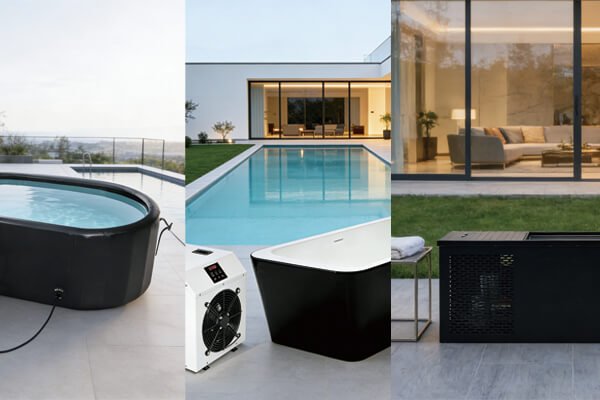
I break down each type below so buyers can quickly see what fits their lifestyle, space, and long-term needs.
What is the difference between portable, inflatable, and fixed ice baths?
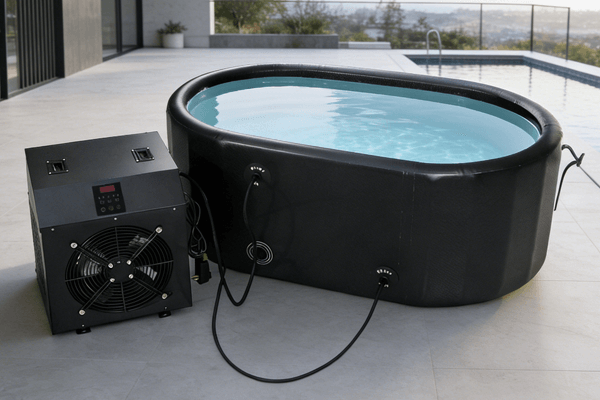
Portable ice baths work well for beginners. They are light, low-cost, and easy to carry. The downside is short lifespan and weaker insulation.
Inflatable tubs offer more comfort but still lose temperature faster.
Fixed tubs, especially stainless steel or hard plastic, provide the highest durability. These tubs last many years and suit gyms, hotels, and resorts that Holie often supplies.
The decision usually depends on how often the user plans to plunge and how much freeze time they expect.
Are advanced cold plunge systems9 worth the extra cost?
Advanced systems have electric chillers, digital control panels, and built-in filtration. I learned that these features save hours of maintenance. They also keep the water clean and cold all day.
They cost more, but they work better for commercial buyers, athletes, and users who plunge daily.
People who use a portable tub only once a week may not need advanced features.
How do manual ice baths compare with electric-chiller cold plunges?
Manual tubs require ice, so costs add up fast. They also give unstable temperatures.
Electric chillers cool the water automatically and maintain exact temperatures. They are more convenient, especially for wellness centers and spas.
When I help clients choose between manual and electric, I ask how many times they plunge each week. High-frequency users almost always choose a chiller.
How Do You Choose the Right Size and Material?
Size and material determine comfort and how long the water stays cold.
Buyers should pick a tub that fits their body height, daily habits, and expected usage environment.
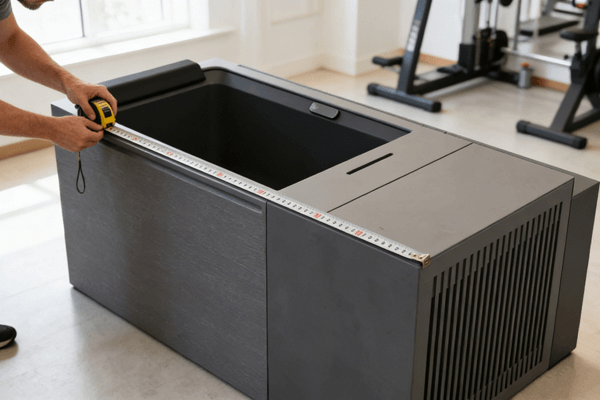
I learned that size is as important as temperature. A tub that is too small forces the knees up, which reduces cold exposure and comfort.
What ice bath tub dimensions10 are suitable for home vs. gym vs. commercial?
Home users usually choose smaller tubs to save space. Gyms prefer wide and deep models for multiple body types.
Commercial spas or hotels that buy from Holie often choose extra-large tubs with strong insulation and stainless steel shells11.
Here is a simple dimension guide:
| Usage | Recommended Size | Reason |
|---|---|---|
| Home | 70–90 cm width | Fits limited space |
| Gym | 100–120 cm width | Supports many users |
| Resort/Hotel | 120–150 cm width | Premium comfort |
Is stainless steel better than plastic or inflatable materials?
Stainless steel lasts the longest and maintains temperature very well.
Plastic tubs are affordable and light but lose heat faster.
Inflatable tubs are only for casual users.
Stainless steel also gives a premium feeling, which many gyms and hotels prefer when they build wellness rooms.
Which materials retain cold the longest?
Stainless steel12 and thick composite plastics hold cold the longest.
Inflatables warm up quickly because air insulation is weak.
Hard-shell tubs also let you pair with chillers more easily because they keep temperature stable.
What Features Matter Most When Buying an Ice Bath?
I realized that features affect long-term cost more than the tub itself.
Good insulation, strong filtration, and a chiller13 make the biggest difference in daily use.
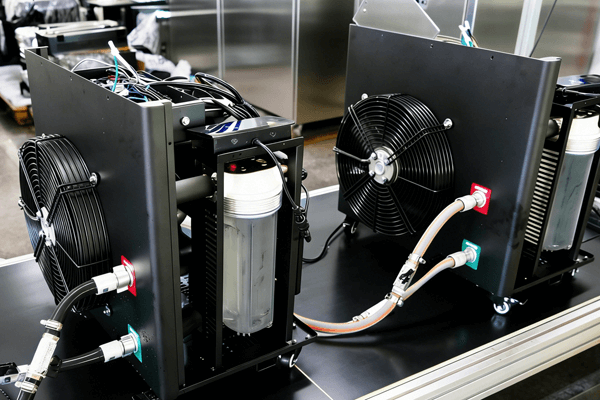
These features separate premium models from basic ones.
Does filtration really matter for hygiene and long-term use?
Filtration keeps water clear and reduces bacteria.
Without filtration, water must be changed often, which increases cost.
Commercial users should never skip a filtration system14 because many people use the same tub.
How important are insulation15 and lid design?
Insulation reduces energy use and keeps temperature stable.
A tight lid blocks dust, insects, and heat.
A good lid also prevents pets or children from entering the tub accidentally.
Should you pick a model with a built-in chiller?
A built-in chiller16 gives the best control.
It removes the need for ice and lets the user set exact temperatures.
If someone plunges daily, a built-in chiller quickly becomes cost-effective.
How Much Should You Expect to Pay for a Quality Ice Bath Tub?
Prices vary a lot in 2025.
Basic ice baths cost far less than premium electric-chiller systems17, which deliver more stability and convenience.

I list the main price ideas below.
What is the price difference between basic and premium models?
Basic portable tubs: low price
Mid-range plastic tubs: moderate price
Premium stainless steel cold plunges with chillers: highest price
The gap is big, so buyers need to think about how often they will plunge.
What ongoing maintenance costs18 should buyers consider?
Buyers must consider electricity, filter cartridges, cleaning products, and occasional replacement parts.
Chiller systems use power, but the cost stays low if insulation is good.
How Do You Maintain and Clean an Ice Bath Tub?
Clean water makes the cold plunge safer and more enjoyable.
Regular cleaning19, simple chemicals, and filtration help maintain long-term hygiene and performance.
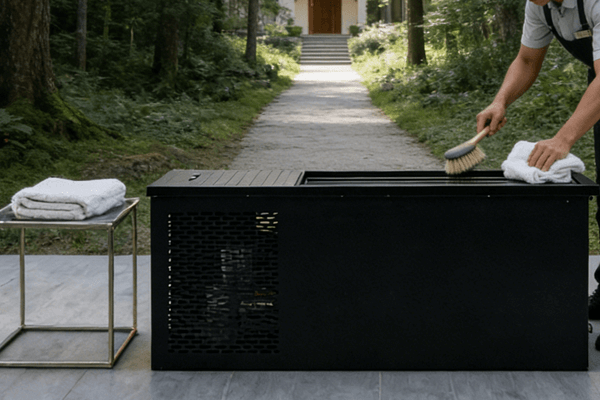
Below are the most common questions buyers ask me.
How often should you change the water?
With no filtration20: every 2–4 days
With filtration: every 2–3 weeks
For commercial spaces: once per week
Warm climates may need more frequent changes.
What cleaning products are safe to use?
Use non-foaming, non-toxic cleaners21.
Avoid bleach because it damages materials.
Vinegar solutions work for simple home tubs.
How can filtration extend water lifespan?
Filtration removes dirt, sweat, and oils.
A strong system keeps the water clean longer and reduces unpleasant smells.
It also lowers electricity costs because chillers run more efficiently in clean water.
What Safety Tips Should Every Ice Bath User Know?
Cold exposure demands respect.
Safe sessions focus on time control22, breathing, and awareness of warning signs23.
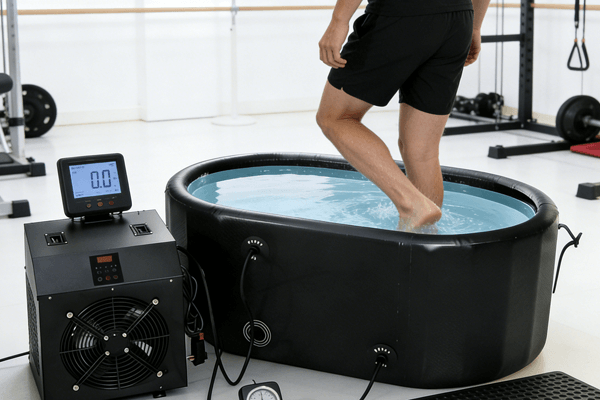
Here are rules I follow myself.
How long should you stay in the cold plunge24?
Beginners: 1–2 minutes
Intermediate users: 2–5 minutes
Advanced users: 5–8 minutes
Never push past your limit or chase extreme times.
What are the warning signs of cold shock25 or overexposure?
Strong shivering, numb fingers, dizziness, heavy breathing, and chest tightness mean it is time to exit.
I never force myself to stay when the body sends warning signals.
Which Ice Bath Tubs Are the Best Recommended Models?
Buyers ask this question the most.
The best ice bath offers strong insulation26, easy maintenance, and stable temperature control.

Below is a simple way to judge quality.
What features make a top-tier ice bath tub27 stand out?
Reliable chiller
Thick insulation
Stainless steel interior
Strong filtration
Comfortable depth
These features separate professional tubs from casual ones.
Which models offer the best value for money?
Value depends on usage frequency.
Daily users get the best value from mid-high tier tubs28.
Casual users save more with portable tubs.
Hotels and resorts that work with Holie prefer stainless steel models29 because they last the longest.
How Do You Install an Ice Bath Tub at Home?
Installation is simple if buyers prepare the space correctly.
Cold plunge tubs need flat flooring, good drainage, and safe electrical access.30
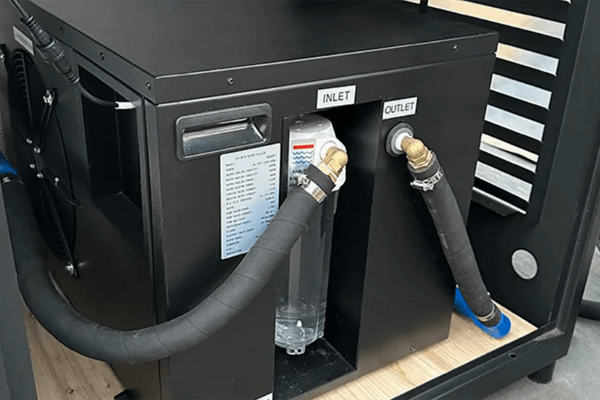
Below are the main details.
What space and drainage requirements should you prepare?
Flat surface
Nearby drain
Outdoor space or ventilated room
A strong floor for heavy stainless steel tubs31
Can you use an ice bath indoors safely?
Yes, but ventilation matters.
Avoid carpeted rooms.
Protect floors from moisture and splashes.
How do you winterize an outdoor ice bath?
Drain it
Dry it completely
Cover with a tight lid
Store the chiller indoors if possible
Is an Ice Bath Better Than a Sauna for Recovery?
Both offer benefits.
Cold plunges reduce inflammation32, while saunas improve circulation and relaxation33.
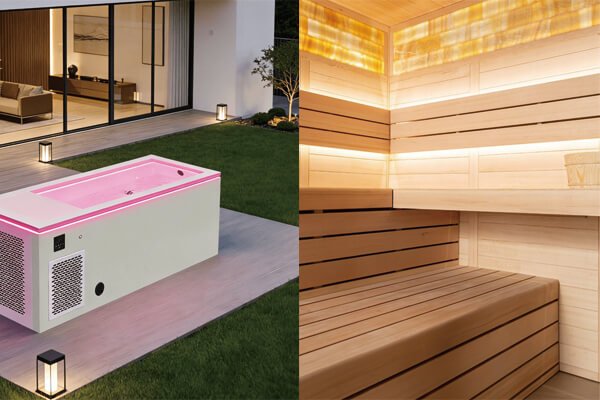
Holie supplies both saunas and cold plunges to wellness buyers, so I see how people combine them.
Should you combine sauna and cold plunge34 therapy?
Yes, many gyms and spa owners do this.
The body warms in the sauna and cools in the plunge.
It creates strong circulation changes that many users enjoy.
What is the recommended hot-cold cycle35?
Sauna: 10–15 minutes
Cold plunge: 1–3 minutes
Repeat: 2–3 cycles
Always listen to your body.
Is Buying or Building Your Own Ice Bath Tub More Cost-Effective?
DIY looks cheap, but reality is different.
DIY setups cost less at the start but often fail in insulation, temperature stability, and hygiene.
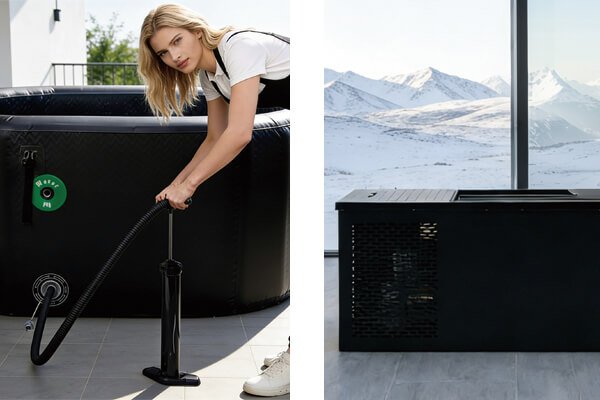
Below is what I learned from buyers who tried both.
How difficult is a DIY cold plunge setup36?
A big freezer or barrel can work temporarily.
However, it requires many modifications and constant water changes.
It also risks electric shock if done wrong.
What risks come with DIY vs. professional systems?
Electric safety
Weak insulation
Short lifespan
No warranty
Professional tubs avoid these risks and work better for long-term daily use.
FAQs – What Do Buyers Ask Most About Ice Bath Tubs?
Below are answers to common questions I receive from wellness buyers.

How long does a portable ice bath37 last?
Portable tubs last months to a few years.
Durability depends on how often the user folds, moves, and fills it.
Do ice baths help inflammation and muscle recovery38?
Yes, cold reduces inflammation and muscle soreness.
Consistency gives better results.
Can you use salt or additives in the water?
Only if safe for the tub material.
Salt may damage metal surfaces.
Commercial chillers work best with clean water.
Are ice baths safe for women and seniors?
Yes, if the sessions are short and comfortable.
People with health issues should ask a doctor first.
Conclusion
Choosing the right ice bath tub is not just about picking a size or a model — it is about understanding how materials, durability, insulation, cooling power, filtration, and safety features work together to create a reliable long-term cold therapy setup. This guide outlined the key differences between portable, inflatable, and compressor-chilled systems, helping buyers clearly see which tub fits their goals, climate, usage frequency, and budget.
With a proper understanding of temperature control, maintenance steps, hygiene requirements, and the real health benefits of cold plunging, buyers can avoid low-quality options and confidently invest in a tub that performs consistently. By comparing features and matching them to personal needs — whether recovery, performance, wellness, or everyday stress reduction — every buyer can select a cold plunge that offers strong value, long service life, and a safer, more enjoyable cold therapy experience.
-
Learn about essential features of ice bath tubs to make an informed purchase decision. ↩
-
Explore the benefits of cold plunges to understand how they can enhance recovery and wellness. ↩
-
Explore this link to understand the advantages and features of cold plunge tubs for better decision-making. ↩
-
Discover the health benefits of cold exposure and how it can enhance your wellness routine. ↩
-
Exploring this link will provide insights into how cold exposure can enhance athletic performance and recovery. ↩
-
Understanding the ideal temperature can enhance your cold exposure experience and safety. ↩
-
Exploring the benefits of Holie saunas can help you maximize your cold plunge experience. ↩
-
Discover the cutting-edge features of advanced cold plunge systems, including full temperature control for optimal recovery. ↩
-
Discover why advanced cold plunge systems may be a worthwhile investment for serious athletes and commercial users. ↩
-
Understanding the right dimensions can enhance your ice bath experience, ensuring comfort and effectiveness. ↩
-
Explore how these features improve durability and temperature retention in ice bath tubs. ↩
-
Explore this link to understand why stainless steel is preferred for durability and temperature retention. ↩
-
Understanding these features can help you choose the best ice bath for your needs and ensure long-term satisfaction. ↩
-
Learn why a filtration system is crucial for hygiene and cost-effectiveness, especially for commercial use. ↩
-
Understanding insulation can help you choose a hot tub that saves energy and maintains temperature effectively. ↩
-
Exploring the advantages of built-in chillers can guide you to make an informed decision for optimal temperature control. ↩
-
Explore the advantages of premium electric-chiller systems to understand their value and how they enhance your ice bath experience. ↩
-
Learn about the hidden costs of ownership to make an informed decision before purchasing. ↩
-
Explore this link to discover effective cleaning methods that ensure your ice bath remains hygienic and safe for use. ↩
-
Learn about filtration systems that can enhance the longevity and cleanliness of your ice bath, making it more enjoyable. ↩
-
Explore the advantages of non-toxic cleaners for a healthier home environment. ↩
-
Understanding time control can enhance your ice bath experience and ensure safety. ↩
-
Recognizing warning signs is crucial for safety and can prevent serious health issues. ↩
-
Exploring the benefits of cold plunge therapy can enhance your understanding of its effects on recovery and wellness. ↩
-
Learning about the warning signs of cold shock is crucial for safety during cold exposure practices. ↩
-
Learn about the significance of strong insulation in ice bath tubs for maintaining optimal temperatures and energy efficiency. ↩
-
Explore this link to discover top-rated ice bath tubs that offer excellent insulation and temperature control. ↩
-
Discover top-rated mid-high tier tubs that offer excellent value for daily use, ensuring durability and performance. ↩
-
Learn why stainless steel models are favored for their longevity and reliability, especially in commercial settings. ↩
-
Understanding the installation requirements ensures a safe and effective setup for your cold plunge tub. ↩
-
Choosing the right flooring is crucial for stability and safety when installing heavy tubs. ↩
-
Explore this link to understand how cold plunges can effectively reduce inflammation and enhance recovery. ↩
-
Discover the science behind saunas and their benefits for circulation and relaxation, which can aid in recovery. ↩
-
Exploring the benefits of cold plunge therapy can enhance your understanding of its effects on health and recovery. ↩
-
Learning about the hot-cold cycle can help you maximize the therapeutic effects of sauna and cold plunge therapy. ↩
-
Explore this link to understand the pros and cons of DIY cold plunge setups, helping you make an informed decision. ↩
-
Discover insights on the durability and maintenance of portable ice baths to make an informed purchase. ↩
-
Explore this link to understand the science behind ice baths and their benefits for recovery and inflammation. ↩