Skip to content
Many people use saunas but still feel unsure about temperature, safety, and real health results. I often see people guessing instead of understanding how heat truly affects the body.
The best sauna temperature1 depends on sauna type, health goals2, and personal tolerance. Controlled heat brings benefits, while extreme heat adds risk without extra rewards.
I will explain each factor clearly so you can choose sauna heat with confidence and real purpose.
What Temperature Should a Sauna Be Set at for Most People?
Many buyers and users ask me for one perfect number. In reality, most people benefit from a safe range, not a single fixed point.
For most healthy adults, a sauna temperature between 70°C and 90°C3 delivers strong benefits while remaining manageable for the body.
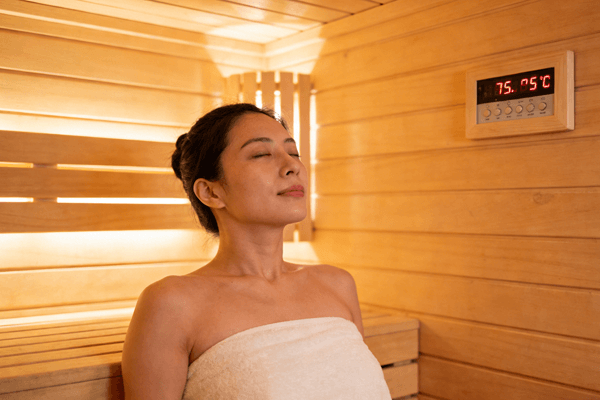
I have visited many sauna projects through Holie, and this range consistently works best for both home and commercial use.
What Is the Ideal Sauna Temperature Range in Celsius and Fahrenheit?
The commonly recommended range exists because it aligns with how the body responds to heat stress.
| Heat Level | Celsius | Fahrenheit | Typical Effect |
|---|---|---|---|
| Mild | 60–70°C | 140–158°F | Light sweat |
| Optimal | 70–90°C | 158–194°F | Deep sweat |
| Extreme | 90°C+ | 194°F+ | High strain |
At 70–80°C, sweating increases steadily and breathing stays comfortable. At 85–90°C, heat stress4 rises fast and session time must be reduced.
Why Do Most Saunas Recommend 70–90°C (158–194°F)?
This range comes from long-term human experience, especially from Finnish sauna culture5. At this level, blood vessels expand and heart rate rises in a controlled way.
The body experiences a heat load similar to light physical exercise. This balance creates benefits without overwhelming the system. That is why manufacturers, including Holie, design traditional saunas to operate best here.
Is There a Minimum Temperature Needed to Get Real Sauna Benefits?
Below 60°C, relaxation still occurs, but cardiovascular and sweating effects6 are limited. Research shows stronger benefits when core body temperature rises, which usually requires at least 70°C.
Lower heat can still help beginners, but results come slower and require longer sessions.
Does the Ideal Sauna Temperature Change by Sauna Type?
Yes. Heat source and humidity change how the body experiences temperature.
Different sauna types require different temperature ranges to produce similar effects.
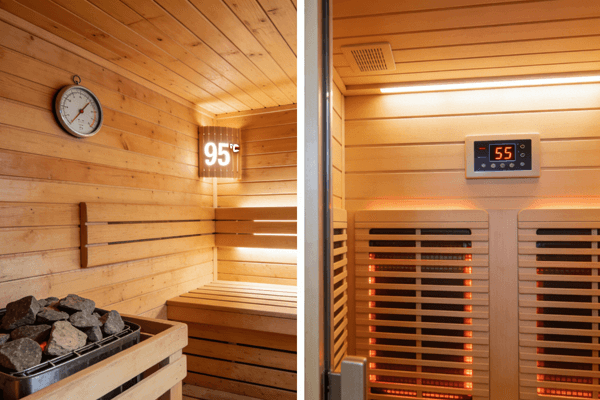
This is critical when designing mixed wellness spaces7.
What Temperature Is Best for a Traditional Finnish Sauna8?
Traditional dry saunas work best between 75–90°C.
| User Level | Recommended Range |
|---|---|
| Beginner | 70–75°C |
| Regular | 80–85°C |
| Advanced | 85–90°C |
Above 90°C, air becomes harsh and breathing becomes difficult. Benefits do not increase, but risk does.
What Is the Ideal Temperature for an Infrared Sauna?
Infrared saunas9 heat the body directly, not the air. Most operate between 45–65°C.
Sweating still occurs, but heat penetrates deeper into muscles and joints. Sessions are longer and feel less aggressive, which suits heat-sensitive users.
How Hot Should a Steam Sauna or Steam Room Be?
Steam rooms10 rely on humidity, not air temperature.
| Sauna Type | Temperature | Humidity |
|---|---|---|
| Steam room | 40–50°C | Near 100% |
| Dry sauna | 70–90°C | Low |
High humidity prevents sweat evaporation, so heat feels intense even at lower temperatures.
Is a Hotter Sauna Always Better for Health Benefits?
Many people assume hotter means healthier. That belief is misleading.
Heat helps only until the body’s ability to adapt is exceeded.
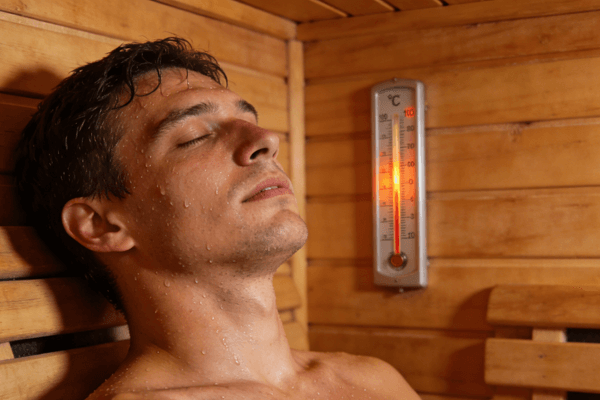
I have seen users push heat too far and leave feeling weak instead of refreshed.
Does Higher Sauna Temperature11 Improve Detox and Sweating?
Sweating increases with heat, but detox is mainly handled by the liver and kidneys12. Higher heat mostly increases fluid loss, not toxin removal.
At 80–85°C, sweat production is already high. Beyond that, returns diminish quickly.
Can Lower Temperatures Still Deliver Cardiovascular Benefits?
Yes. Longer sessions at 65–70°C can raise heart rate and improve circulation. The total heat load matters more than peak temperature.
This is why consistency often beats intensity.
When Does Sauna Heat Stop Being Helpful and Start Being Risky?
Heat becomes risky when the body cannot cool itself. This happens with extreme temperatures, long sessions, or dehydration13.
Once dizziness or confusion appears, benefits stop immediately.
What Sauna Temperature Is Best for Specific Health Goals?
Different goals require different heat strategies.
There is no universal temperature that suits every outcome.
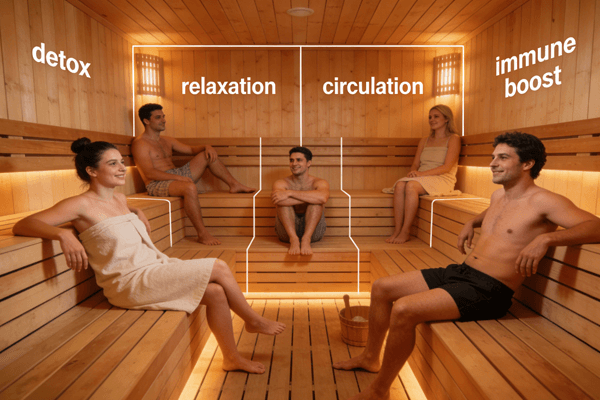
Matching heat to intention improves results.
What Temperature Is Best for Relaxation and Stress Relief14?
Lower to moderate heat works best. Temperatures between 60–75°C15 calm the nervous system and allow relaxed breathing.
These settings suit spas and evening sessions.
What Sauna Temperature Helps Muscle Recovery and Pain Relief?
Moderate heat between 70–80°C improves blood flow and reduces stiffness. Infrared saunas16 at 50–60°C are also effective for joint and chronic pain.
Is There an Ideal Sauna Temperature for Skin Health and Circulation?
Skin benefits from moderate sweating. Temperatures around 65–75°C open pores without excessive dryness. Steam rooms help hydration but should be used briefly.
Can Sauna Temperature Be Too Hot for Your Body?
Yes. Every body has a personal limit.
Ignoring warning signs17 turns a healthy practice into a dangerous one.
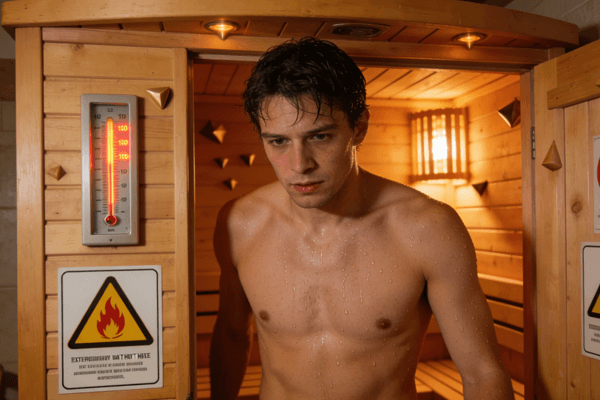
Beginners face the highest risk.
What Happens If a Sauna Is Too Hot?
Heart rate spikes and blood pressure may drop. Dizziness and nausea can follow. These signs indicate the body is under stress, not benefiting.
What Are the Signs of Overheating in a Sauna?
Common signs include rapid heartbeat18, lightheadedness, confusion, and chills. Leaving early prevents harm.
Who Should Avoid High Sauna Temperatures?
People with heart conditions19, low blood pressure, pregnancy, or certain medications should use lower heat or consult a doctor.
How Long Should You Stay in a Sauna at Different Temperatures?
Time and temperature work together.
Higher temperatures always require shorter sessions.20
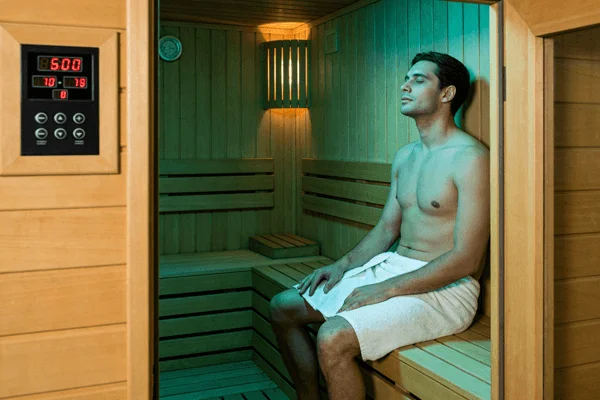
Ignoring this balance causes most sauna problems.
How Long Is Safe at 70°C vs 90°C?
| Temperature | Typical Session21 |
|---|---|
| 70°C | 20–30 minutes |
| 80°C | 15–20 minutes |
| 90°C | 8–12 minutes |
Personal tolerance varies.
Does Sauna Session Time22 Matter More Than Temperature?
Often yes. Total heat exposure drives adaptation. Moderate heat for longer time can equal short extreme heat.
How Often Should You Use a Sauna for Best Results?
Most benefits appear with 2–4 sessions per week. Daily use is common when intensity stays moderate.
How Do You Choose the Right Sauna Temperature for Yourself?
This matters for both home users and commercial projects. For hotels, spas, and wellness facilities where temperature stability and user safety are critical, working with a professional
commercial sauna manufacturing expert
helps ensure consistent heat control, compliant system design, and reliable long-term operation.
Personal factors23 matter most.
The best temperature is one you can repeat safely over time.
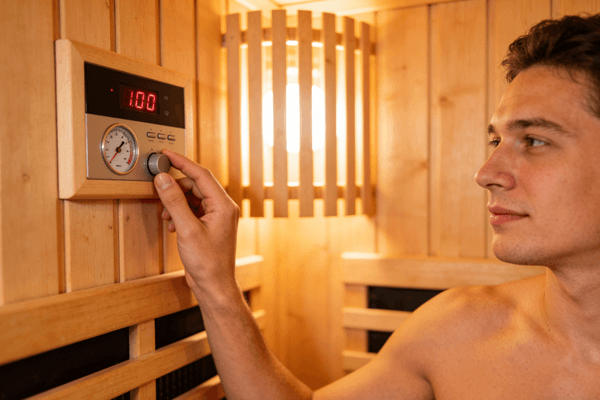
This matters for both home users and commercial projects.
Should Beginners Start at a Lower Sauna Temperature?
Yes. Starting at 60–70°C24 allows the body to adapt gradually25.
How Does Age, Fitness, and Health Affect Sauna Heat Tolerance?
Fitness improves tolerance, but age reduces heat regulation26. Health history always matters more than experience.
Can You Adjust Sauna Temperature for Personal Comfort and Safety?
Modern sauna systems allow precise control. Holie sauna designs focus on stable temperature control27 for mixed user groups.
So, What Is the Best Sauna Temperature28 Overall?
There is no single perfect number, but there is a smart range.
Balanced heat29 delivers the best mix of benefits and safety.
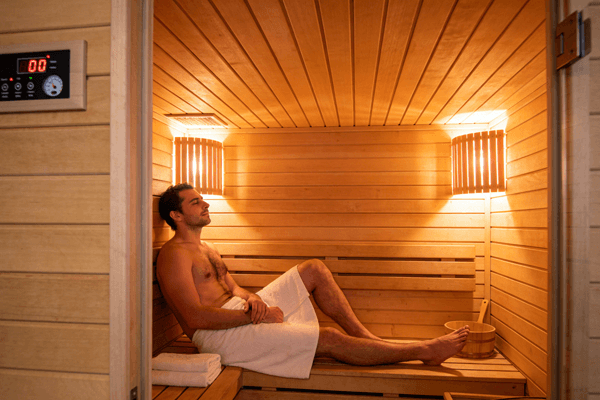
This is the conclusion I share with serious buyers.
What Sauna Temperature Delivers the Best Balance of Benefits and Safety?
For most people, 75–85°C in a traditional sauna30 works best. Infrared users benefit at 50–60°C. Steam users stay comfortable at 45–48°C.
Is There One “Perfect” Sauna Temperature31 for Everyone?
No. Bodies differ. The right temperature feels challenging but controlled32.
How Can You Experiment Safely to Find Your Ideal Sauna Heat?
Start low, increase slowly, hydrate well33, and adjust based on how you feel34 after each session.
Conclusion
The best sauna temperature balances heat, time, and personal tolerance. Real health benefits come from consistency, smart control, and safe use, not from chasing extreme heat.
-
Understanding the optimal sauna temperature can enhance your experience and maximize health benefits. ↩
-
Exploring how different health goals affect sauna use can help tailor your sessions for better results. ↩
-
Discover the optimal sauna temperature range to maximize health benefits and ensure a safe experience. ↩
-
Exploring heat stress effects can help you manage your sauna sessions safely and effectively. ↩
-
Exploring this link will provide insights into the rich traditions and health benefits associated with Finnish sauna practices. ↩
-
This resource will help you understand the physiological impacts of sauna on cardiovascular health and sweating. ↩
-
Discover insights on designing mixed wellness spaces that incorporate saunas for a holistic wellness experience. ↩
-
Explore this link to understand the optimal temperature for a Traditional Finnish Sauna and enhance your sauna experience. ↩
-
Explore the benefits of Infrared saunas to understand how they can enhance your wellness and relaxation experience. ↩
-
Learn about Steam rooms and their benefits to discover how they can improve your health and relaxation. ↩
-
Explore this link to understand the science behind sauna temperatures and their actual health impacts. ↩
-
Learn more about the detoxification process and the vital roles of the liver and kidneys in maintaining health. ↩
-
Understanding the impact of dehydration on sauna safety is crucial for maximizing benefits and avoiding risks. ↩
-
Discover expert insights on sauna temperatures that enhance relaxation and stress relief, helping you achieve your wellness goals. ↩
-
Learn about the specific health benefits of using saunas at 60–75°C, including improved relaxation and nervous system calming. ↩
-
Explore the benefits of infrared saunas for muscle recovery and pain relief, enhancing your wellness routine. ↩
-
Recognizing warning signs is crucial for a safe sauna experience; this link will help you stay informed. ↩
-
Understanding the causes of rapid heartbeat can help you stay safe while enjoying sauna sessions. ↩
-
Learn how heart conditions can impact sauna safety and what precautions to take for a healthier experience. ↩
-
Understanding this principle can help you maximize the benefits of sauna use while ensuring safety. ↩
-
Exploring this topic will provide insights into safe sauna practices and enhance your overall experience. ↩
-
Understanding the significance of sauna session time can enhance your sauna experience and health benefits. ↩
-
Exploring how personal factors influence sauna temperature can help you tailor your sauna experience for maximum comfort and benefits. ↩
-
Understanding the right sauna temperature can enhance your experience and safety, making it essential for beginners. ↩
-
Learning about the body's adaptation to heat can help you maximize the benefits of sauna use. ↩
-
Understanding heat regulation can enhance your sauna experience and safety, making it essential for users. ↩
-
Exploring stable temperature control can help you choose the right sauna for comfort and safety. ↩
-
Discover the ideal sauna temperature for maximizing health benefits and ensuring safety. ↩
-
Learn how balanced heat can enhance your sauna experience and provide optimal health advantages. ↩
-
Exploring this link will provide insights into the health benefits and safety of traditional sauna use. ↩
-
Understanding the ideal sauna temperature can enhance your sauna experience and maximize health benefits. ↩
-
Exploring this concept can help you tailor your sauna sessions for optimal relaxation and health. ↩
-
Understanding hydration's role in sauna use can enhance your experience and safety. ↩
-
Learning to adjust sauna heat according to your comfort can maximize benefits and ensure a safe experience. ↩