Skip to content
 In commercial shower production, shower size selection directly affects installation costs, material sourcing, and project timelines for bathrooms and wellness facilities. Choosing dimensions that align with functional needs and product availability helps reduce rework, control costs, and avoid delivery delays. This guide combines standard shower size ranges with practical considerations from factory production and real project deployment.
Struggling to choose the right shower size usually comes down to balancing space constraints, user comfort, and product availability. Most buyers prefer dimensions widely supported by standard trays, glass panels, and hardware systems to minimize unnecessary customization.
Standard shower dimensions are usually described as practical size ranges rather than fixed standards. In residential and light commercial projects, commonly used shower widths and lengths fall within flexible ranges that accommodate different layouts, enclosure types, and installation requirements. Selecting dimensions that align with widely supported tray and glass formats helps simplify sourcing, reduce customization, and lower installation risk.
What Are the Most Common Dimensions for Showers?
Most showers fall within a standard range, but understanding why these sizes dominate the market helps buyers choose options that work best for both space planning and budget control.

Commonly used shower configurations often include square formats such as 90×90 cm and rectangular layouts like 120×80 cm, which are widely supported by standard trays, glass panels, and hardware systems.
Typical shower dimension examples and common formats1
These formats are frequently selected for residential and small commercial bathrooms due to their balance of space efficiency and installation practicality.
This article focuses on dimensional standards rather than enclosure style selection.
For design-led solutions such as open layouts or doorless options, see our guide on
alternatives to shower doors.
For buyers comparing layouts, learning about standard dimensions2 helps avoid sizing mistakes during early planning stages.
In factory production, standard shower enclosure sizes are often matched with standard glass thickness and tray molds. This approach ensures compatibility with existing production lines and reduces lead time for both standard and semi-custom orders. For many project buyers, standard sizing also improves container loading efficiency and simplifies on-site handling.
Exploring Shower Dimension Variability
Shower dimensions vary to support different layouts and comfort expectations. Commonly used configurations include:
| Shape | Commonly Used Size Ranges (cm) | Typical Use Case |
|---|---|---|
| Square | 90x90, 100x100 | Compact bathrooms |
| Rectangular | 120x80, 150x90 | Medium to large layouts |
| Walk-in | 180x80, 200x90 | Open, luxury-style shower rooms |
These standard options balance usable space, water containment, and installation simplicity across residential and project environments.
Practical Project Considerations from Factory Production
These considerations are especially relevant for hotel projects, multi-unit residential developments, and bulk procurement scenarios where consistency and installation efficiency matter.
- Batch production sizing: Standard shower trays and glass walls are usually stocked in fixed dimensions such as 90×90 cm and 120×80 cm. Aligning designs with these sizes reduces tooling changes and shipping costs.
- Compatibility with related fixtures: Door swing clearance, frame thickness, and adjacent fixtures like bathtubs or vanity units should be considered early to avoid clashes during installation.
- Site measurement before fabrication: Accurate on-site measurements allow prefabricated glass panels and wall systems to fit without trimming or rework.
- Commercial deployment efficiencies: Hotels and multi-unit residential projects benefit from standard dimensions, enabling bulk purchasing of drains, profiles, and hardware with consistent installation results.
For buyers seeking the perfect fit3, aligning design intent with these practical constraints helps control cost and delivery timelines while maintaining functional comfort.
Is a 70cm-Wide Shower Too Small for Comfort?
A narrow shower might feel restrictive, but could it still work for your bathroom?
A 70 cm-wide shower can be functional in space-constrained bathrooms, but it may limit movement comfort, particularly for taller users or primary-use showers.
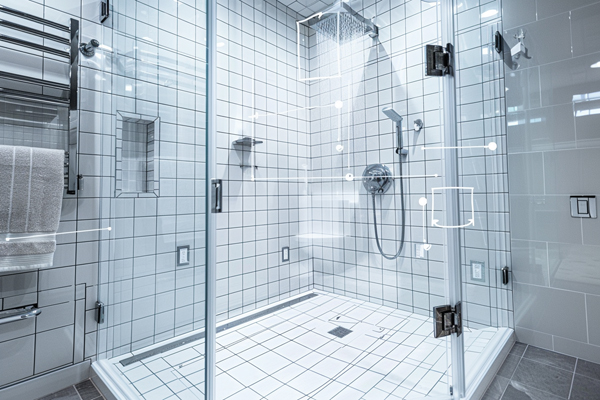
Comfort vs. Space Constraints
While 70 cm-wide showers save space, they may compromise comfort. Consider these factors before deciding:
- User Height: Taller individuals may find movement restricted.
- Bathroom Layout: Small bathrooms benefit from compact designs.
- Purpose: Secondary showers can work well at smaller dimensions.
Choose based on practical needs without sacrificing comfort.
What Are the Key Measurements for Standard Shower Sizes?
Shower dimensions include more than just width and length. Key measurements can impact usability.
Important dimensions include height, entry width, and drain placement4. These factors ensure a functional and ergonomic design.
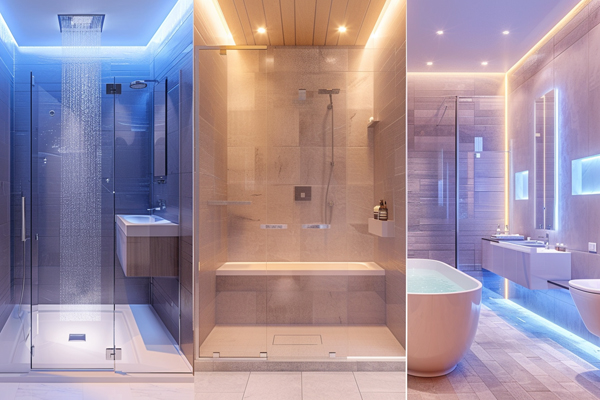
A Breakdown of Essential Shower Measurements
| Measurement | Standard Value (cm) | Notes |
|---|---|---|
| Height | 200-220 | Ideal for preventing water splashes |
| Entry Width | 50-60 | Easy access without compromising space |
| Drain Placement | Variable | Critical for efficient drainage |
These specifications ensure the shower fits your needs while optimizing water flow.
What Types of Showers Are Available, and How Do Sizes Vary?
From walk-ins to cubicles, showers come in diverse types with unique dimensions.
Walk-in showers5 are larger and luxurious, while corner units save space. Each type offers distinct advantages.
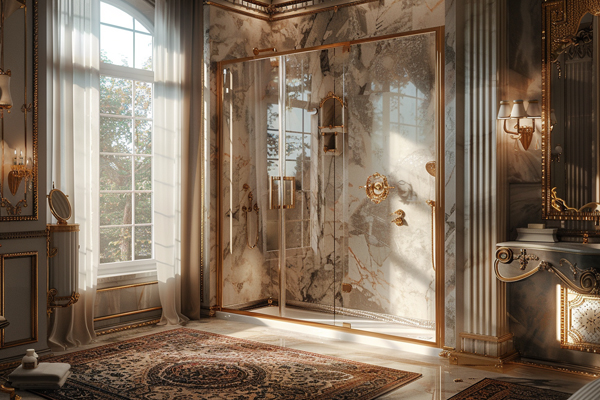
Comparing Shower Types and Sizes
| Shower Type | Common Sizes (cm) | Pros |
|---|---|---|
| Walk-in | 180x80, 200x90 | Spacious, easy access |
| Corner Cubicle | 90x90, 100x100 | Compact, efficient use of space |
| Sliding Door | 120x80, 150x90 | Great for narrow bathrooms |
| Frameless Glass | Customizable | Stylish, modern aesthetic |
Each option caters to specific bathroom layouts and personal preferences.
How to Choose the Perfect Shower Size for Your Bathroom?
The right shower size depends on space, usage, and personal preferences. But where to start?
Consider your bathroom's dimensions, users' needs, and overall design style when choosing a shower size.
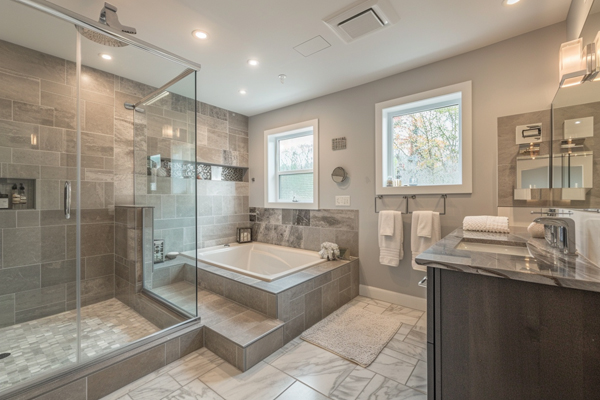
Practical Tips for Selecting the Right Size
- Measure Your Space: Ensure your bathroom can accommodate the desired shower size.
- Account for Usage: Prioritize comfort for frequent users.
- Balance Style and Function: Align the shower design with your bathroom's aesthetic.
- Plan for Future Needs: Choose flexible options for long-term usability.
Thoughtful planning ensures you make the best choice for your home.
FAQs: Answers to Common Questions About Shower Sizes
Need quick answers? Here are some frequently asked questions about shower sizes:
-
What is the smallest functional shower size?
- Compact shower sizes around 70×70 cm are sometimes used in small bathrooms, but comfort and usability depend on user needs, enclosure design, and local code requirements.
-
What size shower is ideal for two people?
- A 160x100 cm shower provides ample space for two users.
-
How do I measure my bathroom for a shower?
- Measure available width, length, and height, and account for plumbing fixtures.
-
Are walk-in showers better for seniors?
- Yes, they offer easy access and are safer compared to enclosed designs.
-
Can shower dimensions be customized?
- Absolutely! Custom designs allow you to tailor dimensions to your preferences.
For businesses, designers, and project buyers seeking reliable shower solutions at scale, Holie offers standardized shower components and customizable options to fit your build requirements. Explore our Shower Room solutions or contact our team for bulk project specifications and quotes.
Conclusion
Choosing the right shower size is essential for functionality and comfort. Match your space, style, and needs to find the perfect fit.
-
Average Walk-In Shower Dimensions
https://www.kohlershowers.com/features/luxstone-shower-dimensions/ ↩ -
Standard Shower Dimensions Guide
https://bossdesigncenter.com/from-tiny-to-spacious-standard-shower-sizes-for-any-bathroom/ ↩ -
Shower Enclosure Size Guide: How to Measure and Pick the Right Fit
https://www.elegantshowers.co.uk/blog/post/shower-enclosure-size-guide-how-to-measure-and-pick-the-right-fit ↩ -
What to Consider When Installing a Curbless Shower
https://infinitydrain.com/what-to-consider-when-installing-a-curbless-shower/ ↩ -
Walk-In vs. Step-In Showers
https://garretyglass.com/about/blog/walk-in-vs-step-in-showers/ ↩