Skip to content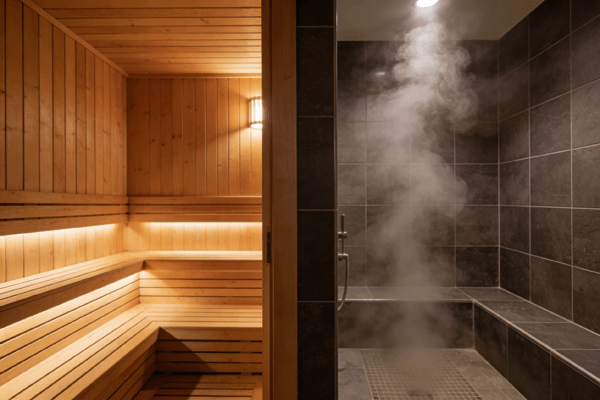
When I catch a cold, I want relief that actually makes sense. My nose blocks, my body slows, and rest alone feels too passive. Heat feels helpful, but I still question its real value.
Saunas and steam rooms1 do not cure colds, but they can reduce discomfort2, improve breathing comfort, and support recovery routines when used correctly.
Many buyers, wellness operators, and end users ask this question. I want to explain it clearly, without myths or sales language.
Can a Sauna or Steam Room Really Help a Cold, or Just Relieve Symptoms?
When a cold starts, symptoms feel overwhelming. I often want something active that brings relief fast. Heat feels effective, but the goal matters.
Saunas and steam rooms mainly reduce symptoms such as congestion, muscle tension, and discomfort. They do not remove the virus itself.
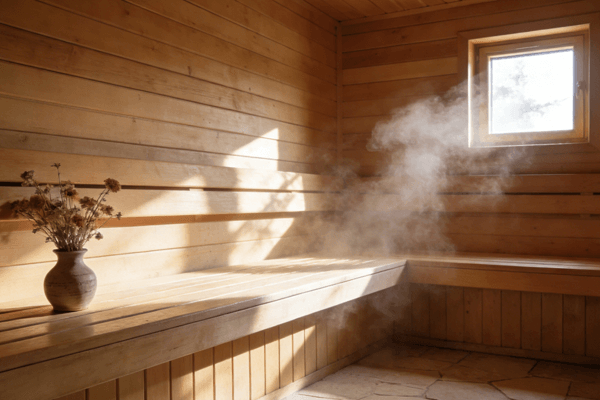
Why symptom relief3 feels like recovery
Heat improves blood flow near the skin. This creates relaxation. Muscles loosen. Breathing can feel easier for a short time. Stress levels drop, which helps the body rest more effectively.
Still, cold viruses live inside cells. External heat cannot reach them in a meaningful way. The immune system4 does the real work, not the sauna.
| Effect | Sauna | Steam Room |
|---|---|---|
| Symptom comfort | Yes | Yes |
| Virus removal | No | No |
| Relaxation | Strong | Strong |
| Immune boost | Indirect | Indirect |
From my experience working with wellness buyers, heat is best viewed as support. It adds comfort. It does not replace recovery basics.
What’s the Difference Between a Sauna and a Steam Room for Cold Relief?
Many people treat saunas and steam rooms as the same. The body does not.
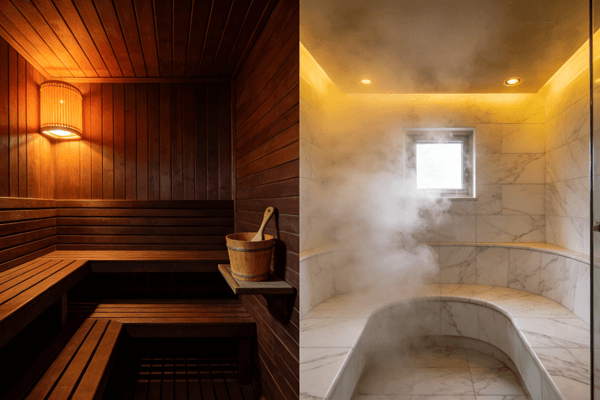
Saunas use dry heat, while steam rooms use moist heat5, and this changes how cold symptoms respond.
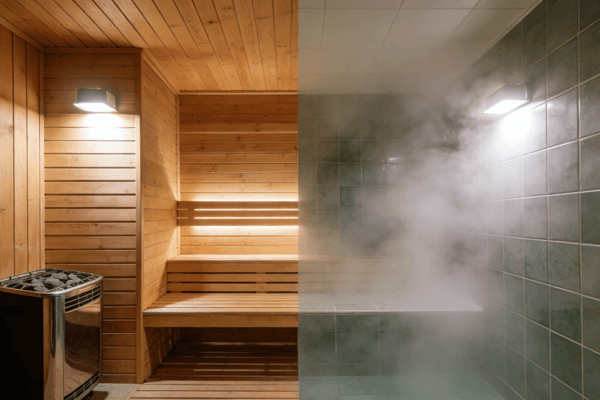
How dry heat6 and moist heat feel different
In a sauna, the temperature is high but air is dry. Sweating happens fast. Some people feel clear-headed. Others feel throat dryness.
In a steam room, heat feels softer. Moist air coats nasal passages. Breathing often feels easier when congestion exists.
| Feature | Sauna | Steam Room |
|---|---|---|
| Heat type | Dry | Moist |
| Humidity | Low | Very high |
| Breathing comfort | Moderate | High |
| Skin sweating | Strong | Moderate |
This difference matters when selecting wellness solutions for hotels, spas, or private homes.
Is a Steam Room Better Than a Sauna for Nasal Congestion and Sinus Pressure?
When congestion is the main problem, moisture changes everything.
Steam rooms7 usually provide stronger relief for nasal blockage8 and sinus pressure due to warm humidity.
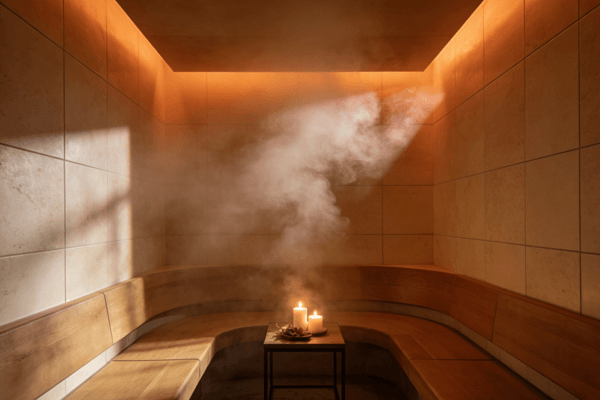
How steam interacts with nasal passages
Warm moisture helps thin mucus. Drainage improves. Pressure in the face can drop. Breathing feels smoother for a short period.
This effect is temporary. Inflammation returns once the body cools. Still, comfort during illness has value.
| Symptom | Steam Effect |
|---|---|
| Blocked nose | Strong |
| Sinus pressure | Moderate |
| Dry throat | Reduced |
For wellness projects, steam rooms are often selected for respiratory comfort rather than intensity.
Does Using a Sauna Actually Shorten the Duration of a Cold?
This question matters more than comfort.
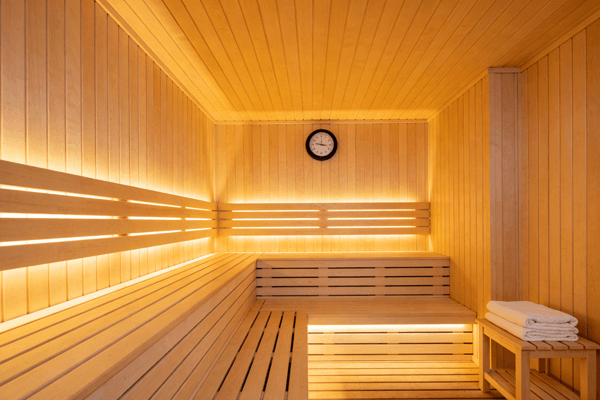
There is no solid evidence that sauna use9 shortens how long a cold lasts.
Why duration stays the same
Cold viruses follow a set cycle. The immune system10 controls the timeline. Heat may support relaxation but does not speed viral clearance.
| Factor | Impact |
|---|---|
| Sauna use | Minimal |
| Sleep | High |
| Hydration | High |
| Nutrition | High |
Saunas support good habits, not shortcuts.
How Does Heat and Humidity Affect Cold Viruses in the Body?
Some believe heat kills viruses directly. This belief is misleading.
External heat does not raise internal temperature enough to kill cold viruses11 safely.

Body temperature control limits heat effects
The body regulates its core temperature tightly. Sweating prevents overheating. Viruses remain unaffected.
| Condition | Virus Impact |
|---|---|
| Sauna | None |
| Steam | None |
| Fever | Immune-driven |
Heat feels strong, but biology sets limits.
Which Cold Symptoms Respond Better to Steam Rooms vs Saunas?
Matching symptoms to environment matters.
Steam rooms help breathing issues12, while saunas help body tension13 and aches.
Symptom-based comparison
| Symptom | Sauna | Steam |
|---|---|---|
| Congestion | Weak | Strong |
| Sinus pressure | Weak | Moderate |
| Body aches | Strong | Moderate |
| Fatigue | Moderate | Moderate |
This helps wellness buyers design balanced solutions.
Can a Sauna Make a Cold Worse If You Use It the Wrong Way?
Heat helps only with limits.
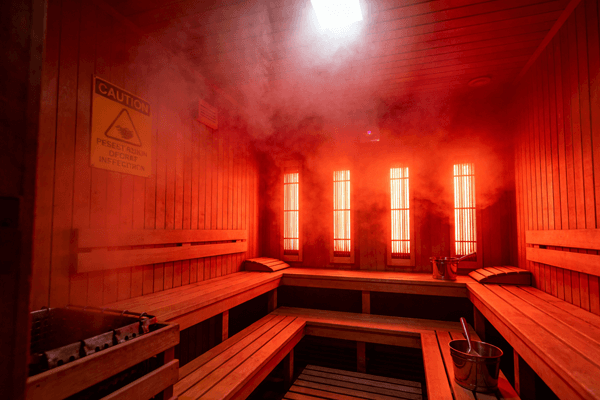
Overuse can increase fatigue, dehydration14, and stress on the body.
Common misuse patterns
Long sessions, high heat, and poor hydration increase strain.
| Mistake | Effect |
|---|---|
| Long sessions | Exhaustion |
| No water | Dehydration |
| High heat | Dizziness |
Safety design matters in product selection.
Is It Safe to Use a Sauna or Steam Room When You Have a Fever?
This line is clear.
Heat use is not recommended when fever is present.15
Why fever changes risk
Fever already raises core temperature. Extra heat increases heart strain.
| Condition | Recommendation |
|---|---|
| Mild cold | Short use |
| Fever16 | Avoid |
How Long and How Often Should You Use a Sauna or Steam Room When Sick?
Short exposure works best.
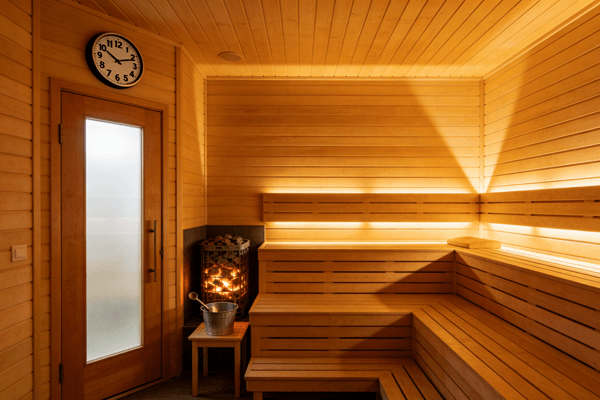
One brief session per day is enough during mild symptoms.17
Practical limits
| Rule | Reason |
|---|---|
| 5–10 minutes18 | Avoid stress |
| Low heat | Reduce load |
| Rest after | Support healing |
In wellness projects and facility planning, understanding how different heat therapies perform helps inform design choices. For hotels, resorts, and spa spaces considering sauna or steam room installations, partnering with an experienced professional sauna supplier can ensure the systems are engineered for frequent use, guest comfort, and tailored project requirements.
Sauna vs Steam Room: Which Is Better for a Cold, According to Science?
Science focuses on outcomes.
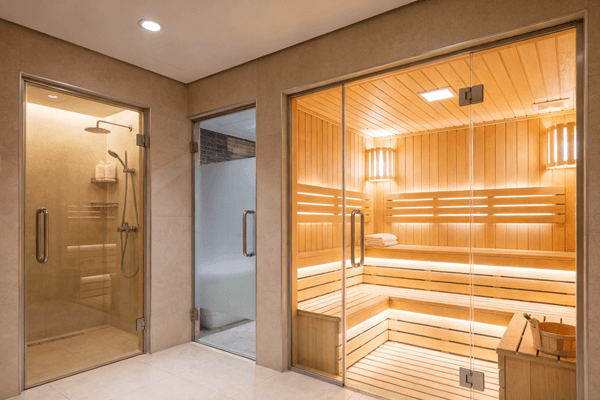
Steam19 shows stronger symptom relief evidence, while sauna data remains limited.
Evidence summary
| Method | Evidence |
|---|---|
| Steam | Moderate |
| Sauna20 | Limited |
What Do Doctors Say About Using Saunas or Steam Rooms for Colds?
Doctors remain cautious.
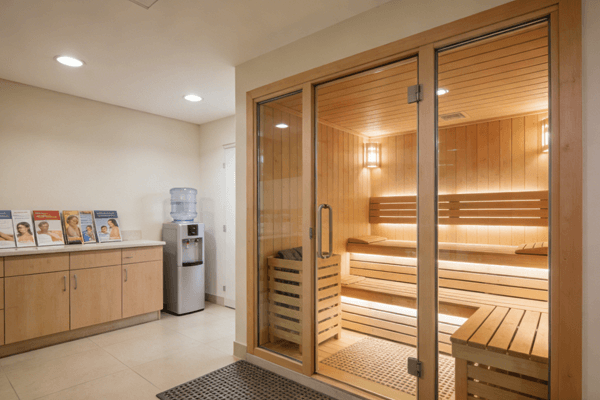
Medical advice frames heat as optional comfort support21, not treatment.
Common medical stance
Doctors recommend stopping if symptoms worsen22.
Can Sauna or Steam Replace Cold Medicine23 or Medical Treatment?
This answer stays firm.
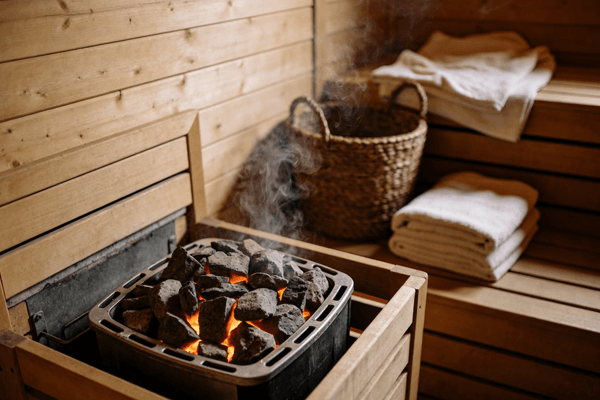
Heat cannot replace medication or professional care24.
Role comparison
| Tool | Role |
|---|---|
| Medicine | Symptom control |
| Rest | Healing |
| Heat | Comfort |
Who Should Avoid Saunas or Steam Rooms When Having a Cold?
Some groups face higher risk.
People with fever, heart conditions25, or severe weakness26 should avoid heat use.
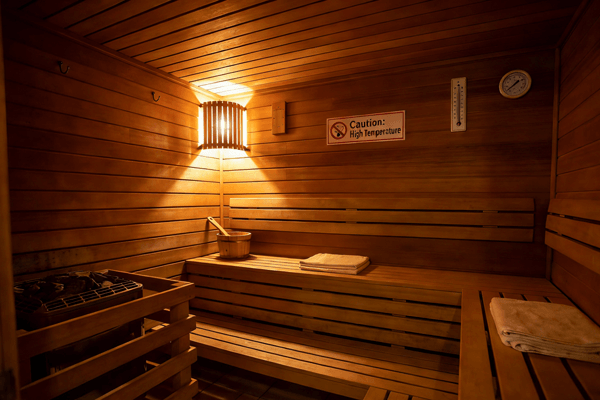
Risk groups
| Group | Advice |
|---|---|
| Elderly | Caution |
| Heart issues | Avoid |
| Fever | Avoid |
Sauna or Steam Room for a Cold: What’s the Final Verdict?
Steam rooms help breathing comfort27. Saunas relax the body and ease muscle tension28. Neither option cures a cold or directly shortens the illness. Their value depends on how and when they are used.

The practical takeaway most people miss
From my experience, the real benefit is not treatment but support. Steam rooms work better when nasal congestion and sinus pressure29 are the main problems. Moist heat helps loosen mucus and makes breathing feel easier for a short time. Saunas work better when body aches, stiffness, or mental fatigue dominate. Dry heat helps the body relax and improves comfort.
Problems start when expectations are wrong. Using heat too long, at high temperatures, or during fever can increase stress on the body. Dehydration and exhaustion can slow recovery instead of helping it. Heat should always follow the body’s condition, not personal habit.
In wellness projects and product design, this distinction matters. At Holie, we often advise clients to match sauna and steam room use30 with user scenarios, not trends. When heat is treated as a comfort tool, it adds value. When it is treated as a cure, disappointment follows.
Conclusion
Saunas and steam rooms do not cure colds or kill viruses. Steam rooms relieve congestion and breathing discomfort. Saunas reduce tension and body aches. Used briefly, safely, and without fever, both can support rest and recovery habits, but medical care, sleep, and hydration remain essential.
-
Explore this link to understand how saunas and steam rooms can alleviate cold symptoms and support recovery. ↩
-
This resource will provide insights into how saunas can effectively reduce discomfort when you're feeling under the weather. ↩
-
Understanding symptom relief can enhance your recovery strategy and improve your overall wellness. ↩
-
Exploring the immune system's role can provide insights into effective cold treatments and prevention. ↩
-
Learning about moist heat's impact on respiratory health can guide you in choosing the right wellness treatments. ↩
-
Exploring the benefits of dry heat can enhance your understanding of sauna therapy and its effects on health. ↩
-
Explore how steam rooms can provide relief for nasal congestion and improve respiratory comfort. ↩
-
Learn about various treatments for nasal blockage and how to alleviate symptoms effectively. ↩
-
Explore this link to understand the relationship between sauna use and cold symptoms, and whether it truly offers any benefits. ↩
-
Learn more about the immune system's role in fighting colds, which is crucial for understanding recovery and health. ↩
-
Understanding how cold viruses behave in different climates can help you take preventive measures. ↩
-
Explore how steam rooms can alleviate breathing problems and improve respiratory health. ↩
-
Discover the science behind saunas and their effectiveness in reducing body tension and aches. ↩
-
Understanding the link between dehydration and cold symptoms can help you manage your health better. ↩
-
Understanding the risks of heat exposure during fever can help you make informed health decisions. ↩
-
Exploring the effects of fever can provide insights into why certain activities, like sauna use, should be avoided. ↩
-
Discover expert recommendations on sauna use during illness to enhance your recovery. ↩
-
Learn why short sauna sessions can be beneficial for your health and well-being. ↩
-
Explore the benefits of steam for cold relief and how it can help alleviate symptoms effectively. ↩
-
Learn about sauna's impact on cold symptoms and discover its potential benefits for recovery. ↩
-
Understanding the role of heat in cold treatment can help you make informed decisions about your health. ↩
-
Knowing the right steps to take when symptoms worsen is crucial for effective cold management. ↩
-
Explore this link to understand the effectiveness of cold medicine in treating symptoms and when it's necessary. ↩
-
Learn why seeking professional care is crucial for health and how it can impact recovery. ↩
-
Understanding the risks can help individuals with heart conditions make informed decisions about sauna use. ↩
-
Exploring this topic can provide valuable insights for those feeling weak and considering sauna therapy. ↩
-
Explore how steam rooms enhance breathing comfort, especially during colds, and discover tips for optimal use. ↩
-
Learn about the benefits of saunas in relieving muscle tension, which can be particularly soothing during illness. ↩
-
Explore how steam rooms can effectively alleviate nasal congestion and sinus pressure, enhancing your breathing experience. ↩
-
Learn the importance of aligning sauna and steam room use with individual needs for optimal wellness benefits. ↩