Skip to content
 Indoor and outdoor saunas differ mainly in space use, cost, energy efficiency, and daily convenience. Indoor saunas fit more easily into everyday routines and usually cost less to operate. Outdoor saunas create a stronger spa-style experience and visual impact but require more space, planning, and structural preparation.
Many homeowners feel uncertain when choosing a sauna. Concerns about wasted money, lost space, or lifestyle mismatch are common. That uncertainty often leads to regret later.
Both indoor and outdoor saunas support heat therapy and relaxation. The better choice depends on how you live, how your home is built, and how often the sauna will be used. This guide is written to help avoid common and costly mistakes when choosing between the two options.
What Is the Real Difference Between an Indoor Sauna and an Outdoor Sauna?
Indoor and outdoor saunas both provide heat therapy1, but they differ in space use, installation conditions, climate control, and long-term home value. Choosing the right one depends on how you live and how your house is structured.
I often see buyers mix these two types together. Many assume a sauna is simply a hot room. That oversimplified idea leads to poor decisions and unnecessary spending.
An indoor sauna is built inside the home. An outdoor sauna is built as a separate structure outside. The real difference lies in how they use space, manage heat, and integrate into daily routines—especially when deciding whether an indoor or outdoor sauna fits your space, routine, and long-term plans.
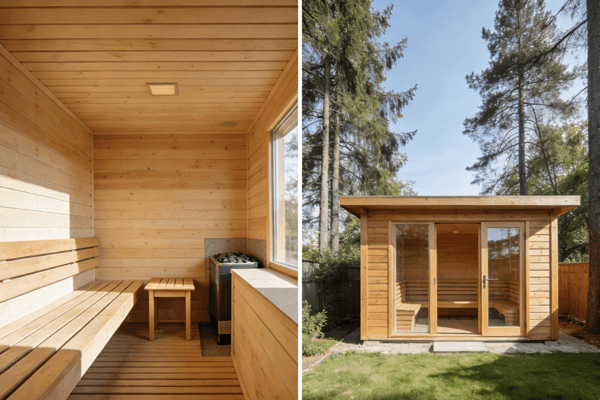
Is an indoor sauna the same as a home sauna?
This question comes up frequently from buyers contacting me through Holie. Many people use the terms “home sauna” and “indoor sauna” as if they mean the same thing, but they do not always match.
A home sauna refers to any sauna used at a private residence. It can be installed indoors or outdoors. An indoor sauna is only one type of home sauna, placed inside bathrooms, basements, or spare rooms. An outdoor sauna is also a home sauna, but it sits in a garden, on a patio, or near a pool.
This language confusion often leads to design mistakes. I once visited a client in Canada who said he wanted a home sauna. He meant a small indoor unit in the bathroom. His wife wanted a wooden cabin outside. Because they used the same term, they ordered the wrong product and had to resell it at a loss.
That is why placement must be clarified early. A sauna is not only about heat. It also involves space planning, moisture control, wiring, and daily movement inside the home.
What makes an outdoor sauna different from a backyard sauna?
Many websites describe backyard saunas and outdoor saunas as the same. In real use, they are not always equal.
A backyard sauna is often a simple wooden cabin. It may sit on grass or gravel and may lack strong insulation or weather sealing. These are usually built for casual, light home use.
A true outdoor sauna is designed as a permanent outdoor structure. It includes proper roof layers, sealed walls, treated wood, and solid insulation. It is built to handle rain, snow, heat, and long-term exposure. It connects to stable power systems and maintains heat efficiently.
At Holie, many outdoor saunas are supplied to resorts and wellness centers. These are not decorative cabins. They function like small buildings designed to retain heat and stay dry for many years.
The key difference is not location alone, but structural quality.
Do indoor and outdoor saunas use different heating systems?
Many people assume the heater is the same. In real use, it often is not.
Indoor saunas usually use electric heaters. They are compact, easy to control, and designed for stable indoor air. They heat quickly and cool down fast.
Outdoor saunas may also use electric heaters, but they are often larger. In many regions, wood stoves are common. Wood stoves perform better in cold environments and create a heat style many users prefer.
| Feature | Indoor Sauna | Outdoor Sauna |
|---|---|---|
| Heater size | Small to medium | Medium to large |
| Power type | Mostly electric | Electric or wood |
| Heat loss | Low | Higher without insulation |
| Control | Digital panel | Digital or manual |
Outdoor saunas require more power because they fight cold air. Indoor saunas benefit from the surrounding house temperature.
This is why many low-quality outdoor sauna products fail. They use heaters designed for indoor use and cannot maintain heat in winter conditions.
How these differences affect real home use
The real difference between indoor and outdoor saunas appears in daily behavior.
An indoor sauna becomes part of a routine. It is used like a shower: step in, heat up, and return indoors. It is fast and convenient.
An outdoor sauna feels more like a ritual. Users walk outside, feel cold air, then enter heat. Many people find this contrast deeply relaxing. Outdoor saunas often become social spaces where people talk, relax, and spend time together.
I observed this clearly while living in northern China. Outdoor saunas were social places. Indoor saunas were used quietly and alone.
| Use style | Indoor Sauna | Outdoor Sauna |
|---|---|---|
| Daily quick use | Very good | Less easy |
| Social use | Limited | Very good |
| Space impact | Uses indoor space | Uses yard space |
| Feeling | Private | Ritual and outdoor |
When working with hotels and resorts, outdoor saunas are usually chosen to sell an experience. When helping homeowners, many choose indoor sauna for easy daily use.
Neither option is wrong. They simply serve different lifestyles.
That is the real difference. Choosing without understanding this often leads to regret later.
Is an Indoor Sauna or an Outdoor Sauna Better for Home Use?
Many buyers think one type must be better. That idea creates stress and leads to wrong purchases. The truth is that home use depends on habits, not on trends.
Indoor saunas fit daily routines, while outdoor saunas fit lifestyle experiences. The better choice depends on how often you use the sauna and who uses it with you.
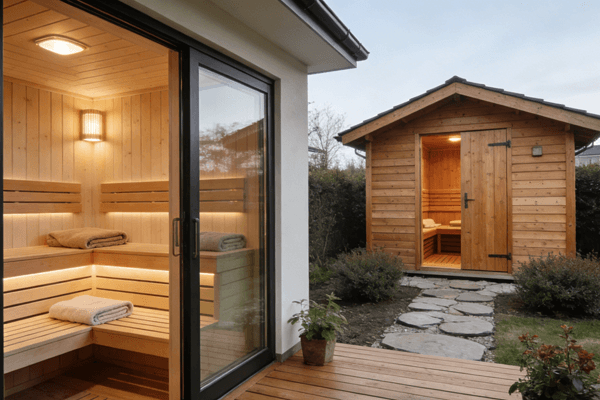
Which sauna is better for daily use?
I always ask one simple question when a client contacts me. I ask how many times per week they plan to use the sauna. That answer tells me almost everything.
An indoor sauna is better for daily use. It is close to bedrooms and bathrooms. People do not need to put on shoes or jackets. They can walk in, sweat, and shower in minutes. This removes friction. When something is easy, people do it more often.
An outdoor sauna adds steps. People must go outside. They must deal with rain, wind, or snow. This makes it feel like a small trip. That is fun, but it is not something many people want to do every single day.
I learned this from my own routine. When I had an indoor sauna, I used it five times a week. When I only had access to an outdoor sauna, I used it once or twice. The outdoor one felt special, but the indoor one became a habit.
Which sauna is more practical for families?
Families use saunas in a very different way than single users. Parents think about safety, time, and children.
Indoor saunas are more practical for families. Parents can see kids easily. They can control temperature fast. They can stop a session if someone feels dizzy. The space is close to water and towels.
Outdoor saunas feel like a small adventure. That is great for adults, but it adds risk for kids. Slippery steps, cold air, and distance from the house can create problems.
Here is how families usually compare them.
| Family need | Indoor Sauna | Outdoor Sauna |
|---|---|---|
| Child safety | High | Medium |
| Quick access | Very high | Low |
| Supervision | Easy | Harder |
| Family use | Strong | Limited |
This does not mean outdoor saunas are bad for families. It means they need more planning and care.
Which sauna is better for apartments and small homes?
This is where the answer becomes clear.
An outdoor sauna is not possible for most apartments. There is no yard. There is no space for a cabin. There is no place for drainage or power.
An indoor sauna is often the only choice. Modern indoor saunas can fit in a bathroom, a storage room, or even a large closet. At Holie, we design compact sauna rooms that fit into small spaces without heavy building work.
Small homes also benefit from indoor saunas. They use space that already exists. They do not require land. They do not change the outside look of the home.
Here is a simple view.
| Home type | Best choice |
|---|---|
| Apartment | Indoor sauna |
| Small house | Indoor sauna |
| House with yard | Either |
| Villa or resort | Outdoor sauna |
How daily life changes with each type
The biggest difference is not in the sauna. It is in how people live with it.
An indoor sauna becomes part of a routine. It feels like brushing teeth or taking a shower. It fits into busy lives.
An outdoor sauna becomes an event. People plan for it. They invite friends. They light heaters. They enjoy nature.
Both are good. They are just different.
When I talk with buyers like Guilia, who builds resorts in Canada, she always chooses outdoor saunas. Her guests want a story. They want snow, steam, and wooden cabins.
When I talk with city home owners, they almost always choose indoor saunas. They want simple health habits.
This is why there is no universal answer. The better sauna is the one that fits how you live.
Which Type of Sauna Costs More to Install and Maintain?
Many buyers focus only on the sauna price. That mistake leads to shock later when the real costs appear. Installation and long-term use matter just as much.
Indoor saunas usually cost less to install, while outdoor saunas often cost more upfront but can offer more space and stronger resale appeal.
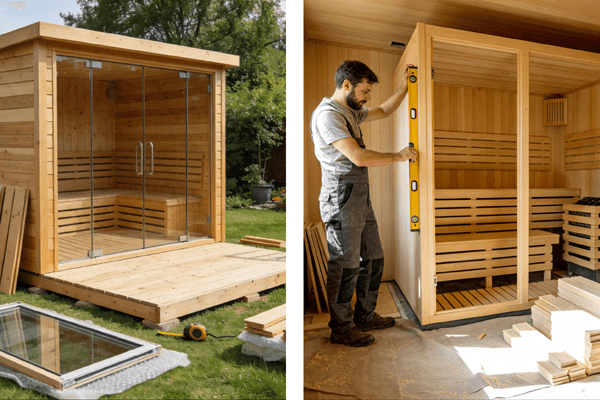
How much does an indoor sauna cost to install?
An indoor sauna uses the home as its shell. This keeps costs lower.
Most indoor saunas only need a solid floor, wall panels, insulation, and electrical wiring. In many homes, this work is already half done. A bathroom or basement already has power and moisture control.
In most North American homes, a basic indoor sauna installation typically costs between USD $3,000 and $10,000, while a fully built outdoor sauna usually ranges from USD $8,000 to over $25,000 once the base, wiring, and weatherproof structure are included. Luxury models cost more, but the building work stays simple.
At Holie, we ship indoor sauna kits that are designed for easy assembly. This reduces labor costs. Many customers even install them with local handymen.
How much does an outdoor sauna cost to install?
An outdoor sauna is a small building. This means more work and more money.
It often needs a base. It may need a concrete slab or strong deck. It needs outdoor wiring. It needs weatherproof roofing and wall sealing.
This can double or triple the installation cost2 compared to indoor units.In cold countries, insulation also adds cost.
Here is a basic cost view.
| Cost item | Indoor Sauna | Outdoor Sauna |
|---|---|---|
| Structure | Uses house | Needs building |
| Wiring | Simple | Outdoor rated |
| Base | Not needed | Often required |
| Labor | Low | Higher |
This is why outdoor saunas are popular in resorts and villas, not in small homes.
Which sauna has lower running costs over time?
Running cost means power, maintenance, and repair.
Indoor saunas are cheaper to run. They lose less heat. They stay dry. They face less damage from weather.
Outdoor saunas must fight cold air. They also face rain, snow, and sun. Wood cracks. Roofs leak. Paint fades.
Here is a clear view.
| Long-term cost | Indoor Sauna | Outdoor Sauna |
|---|---|---|
| Electricity | Lower | Higher |
| Repairs | Fewer | More |
| Cleaning | Easy | More work |
| Part replacement | Rare | More often |
This does not mean outdoor saunas are a bad choice. It means they need more care.
How this affects real buyers
When I work with B2B buyers, they do not fear higher cost. They look at guest experience and resale value. Outdoor saunas give them that.
When I work with home users, cost control matters more. Indoor saunas let them enjoy heat therapy without high bills.
I once helped a family in Germany compare both. They loved the look of an outdoor sauna. But after we listed the base, wiring, and insulation, they chose indoor. They used the savings to upgrade the heater.
Cost is not only money. It is also time and stress. Indoor saunas are easier in both.
Are Outdoor Saunas More Energy Efficient Than Indoor Saunas?
Many websites claim outdoor saunas are more natural and so they must use less energy. That idea sounds nice, but it is not always true.
Indoor saunas usually use less electricity per session because they lose less heat, while outdoor saunas need more power to fight cold air and wind.
Energy efficiency explains how much power a sauna uses, but in colder regions, real performance depends just as much on climate exposure and structural design.
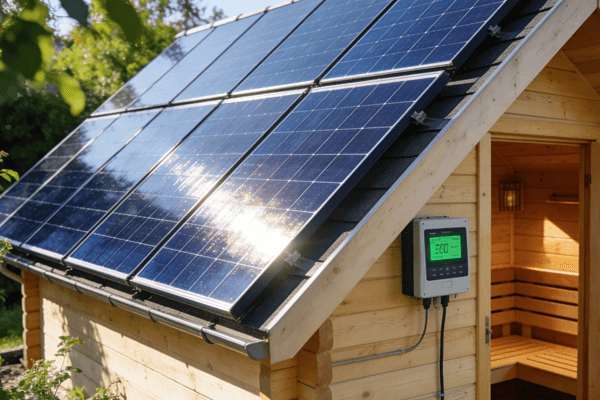
Do outdoor saunas lose more heat?
Yes, they do. This is basic physics.
An outdoor sauna sits in open air. Cold wind hits the walls. Snow and rain cool the roof. Every side pushes heat out. Even with good insulation, some heat always escapes.
An indoor sauna is surrounded by warm rooms. The house acts like a jacket. Heat loss is lower. The heater does not need to work as hard.
This is why two saunas with the same heater can use very different power.
Does insulation affect sauna electricity use?
Insulation changes everything.
A poorly insulated outdoor sauna can use twice the electricity of a good indoor sauna. A well insulated outdoor sauna can perform much better, but it still fights outdoor air.
At Holie, we build outdoor saunas with thick wall layers and sealed joints. This helps reduce energy loss. But no outdoor sauna can beat the stable air inside a house.
Here is a simple view.
| Insulation level | Energy use |
|---|---|
| Poor insulation | Very high |
| Medium insulation | High |
| Strong insulation | Medium |
| Indoor sauna | Low |
This is why cheap outdoor saunas feel cold and cost more to run.
Which sauna uses less electricity per session?
In most North American homes, an indoor sauna3 uses about 6–9 kWh per session, while an outdoor sauna typically uses 9–15 kWh per session because it loses more heat to cold air and wind.
It heats faster. It keeps heat longer. It shuts down sooner.
Outdoor saunas often need longer warm-up times. They also cool faster when doors open.
In warm climates, this gap is smaller. In cold climates, it is very large.
How this matters in real life
Many buyers care about eco-friendly living. They also care about bills.
An indoor sauna fits both. It saves power and time. It works with the home.
Outdoor saunas still make sense for people who value outdoor life. They pay more for the feeling.
Energy use is not the only factor, but it should not be ignored.
Do Outdoor Saunas Last Longer Than Indoor Saunas?
Many people believe outdoor saunas are built stronger because they look solid. That belief is not always correct.
Indoor saunas usually last longer with less repair because they avoid weather stress, while outdoor saunas can age faster without strong materials and care.
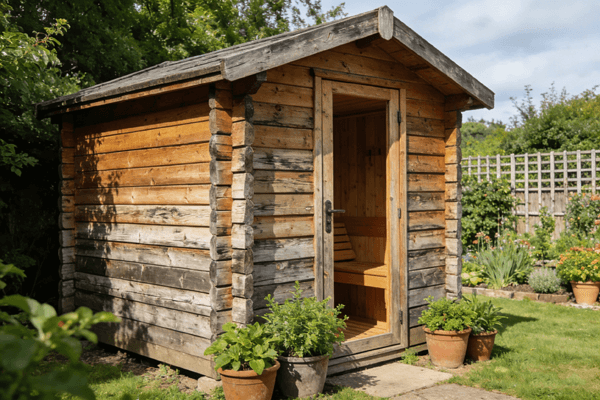
Does weather damage outdoor saunas4?
Yes, weather is the main enemy of outdoor saunas.
Rain enters small cracks. Snow sits on roofs. Sun dries wood. Wind pushes moisture inside. Over time, wood swells, shrinks, and cracks.
Even strong wood needs treatment. Without it, rot and mold appear.
This is why cheap outdoor saunas often fail after a few years.
Do indoor saunas require less maintenance?
Yes. Indoor saunas stay dry and stable.
They do not face sun, rain, or snow. Wood stays smooth. Doors stay straight. Heaters last longer.
Cleaning is also easier because dust and leaves do not enter.
Which sauna type has a longer lifespan?
In most North American climates, a well-maintained indoor sauna typically lasts 15–25 years, while an outdoor sauna averages 10–20 years depending on weather exposure, wood quality, and maintenance.
Here is a simple view.
| Factor | Indoor | Outdoor |
|---|---|---|
| Weather stress | None | High |
| Wood aging | Slow | Fast |
| Heater life | Long | Medium |
| Repair needs | Low | Higher |
Outdoor saunas can still last many years if they use high grade wood and good sealing. This is why Holie uses treated cedar and thick panels for outdoor models.
Which Sauna Is Easier to Install: Indoor or Outdoor?
Many buyers underestimate installation. They think only about delivery.
Indoor saunas are easier and faster to install, while outdoor saunas need more building work and permits5.
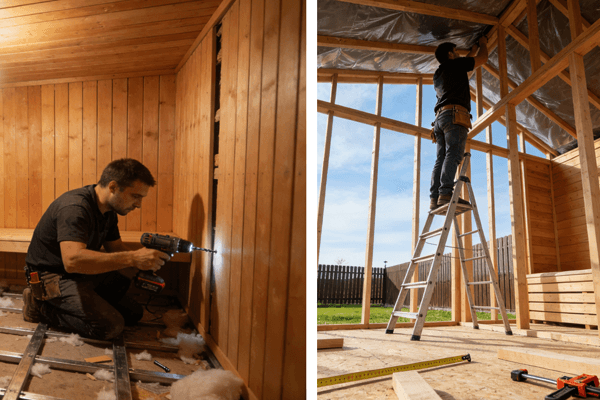
Do indoor saunas require plumbing?
No. Most indoor saunas only need electricity.
They do not use water inside. People shower outside.
This makes installation simple.
Do outdoor saunas need a concrete base?
Most do.
A flat and strong base keeps the sauna stable. Without it, doors stick and walls bend.
Some small models can sit on decks, but serious outdoor saunas need solid ground.
How long does sauna installation take?
Indoor sauna installs often take one or two days.
Outdoor saunas can take weeks with base work, wiring, and sealing.
Do Indoor Saunas Increase Home Value?
Many owners care about resale.
Indoor saunas often add more home value because they feel like a built-in luxury feature.
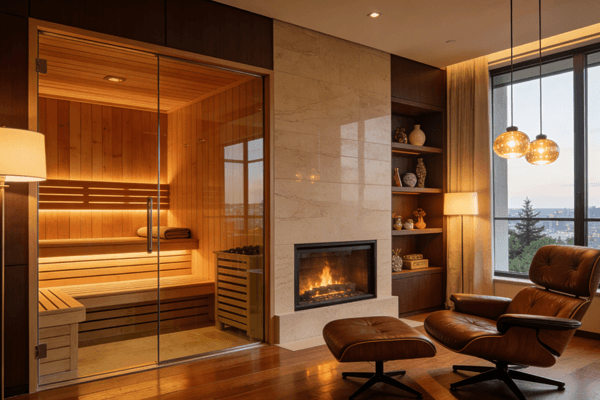
Does an indoor sauna add resale value?
Yes. Buyers see it as part of the house.
Do buyers prefer indoor or outdoor saunas?
Most buyers prefer indoor saunas because they feel easy to use.
Are saunas considered a luxury home upgrade?
Yes. Saunas are seen as wellness upgrades.
Are Outdoor Saunas Better for Wellness and Relaxation?
Many people feel outdoor saunas give more peace.
Outdoor saunas create stronger emotional and sensory effects, while indoor saunas focus on pure heat therapy.
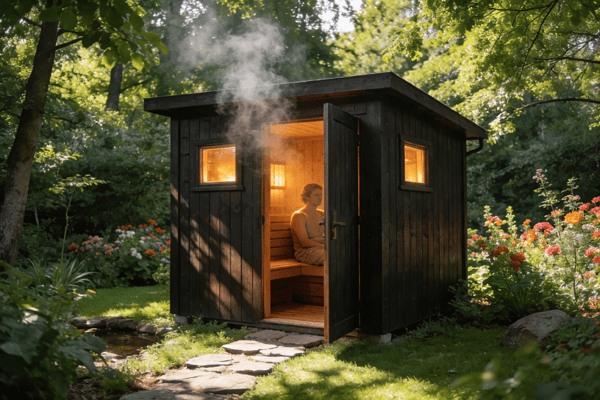
Does being outdoors improve sauna benefits?
Fresh air and nature reduce stress.
Is fresh air important for sauna health6?
Yes. Good air helps breathing.
Why do Nordic cultures prefer outdoor saunas?
They value nature and cold air contrast.
Which Sauna Is Safer: Indoor or Outdoor?
Safety is not about fear. It is about control.
Indoor saunas are usually safer because they are closer to help and better controlled.
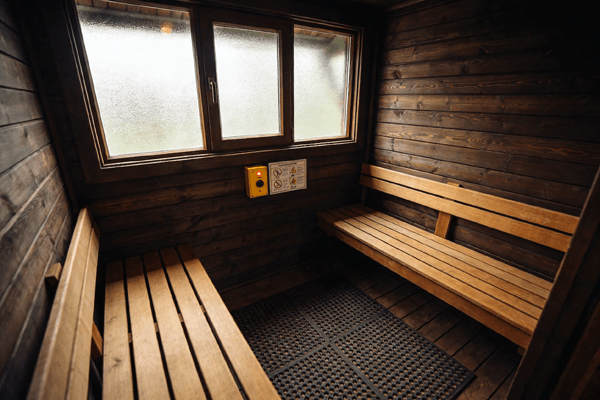
Are indoor saunas safer to operate?
Yes. They have better monitoring.
Are outdoor saunas at risk of fire?
Wood stoves increase risk.
Which sauna has better ventilation?
Indoor saunas often do.
What Is Better for Small Homes: Indoor Sauna or Outdoor Sauna?
Space changes everything.
Indoor saunas are the only real option for small homes and apartments.
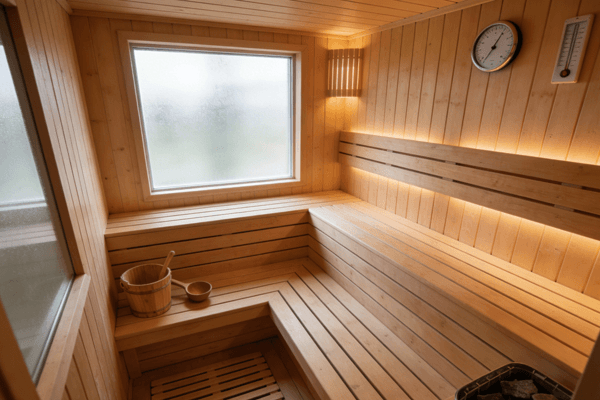
Can you fit a sauna in a bathroom?
Yes.
Do outdoor saunas save indoor space?
Yes but need land.
Which sauna is better for apartments?
Indoor.
Which Sauna Is Better for Cold or Snowy Climates?
Cold or snowy climates do not prevent outdoor sauna use, but they change how the sauna should be designed and used.
In these environments, outdoor saunas must prioritize insulation thickness, door sealing, and heater sizing. Poorly designed cabins struggle to reach temperature, require longer warm-up times, and increase operating cost. This is why many failures in cold regions are not caused by the climate itself, but by underbuilt sauna structures.
Indoor saunas behave more consistently in cold climates because the surrounding home stabilizes temperature and reduces heat loss. They warm up faster and deliver predictable performance without requiring design upgrades.
For users in snowy regions, the choice is less about whether outdoor saunas work, and more about whether the project budget and maintenance plan support a properly built outdoor structure. When insulation, roofing, and power supply are correctly handled, outdoor saunas remain fully usable even in winter—but only when the build quality matches the climate.
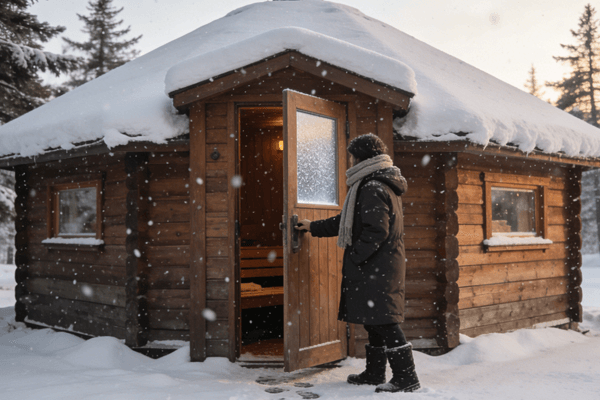
Do outdoor saunas work in winter?
Yes, with good insulation.
Can snow damage an outdoor sauna?
Yes, without proper roof.
Why are outdoor saunas popular in Finland?
Culture and tradition.
Which Sauna Is Better for Hot or Humid Climates?
I often get this question from buyers in Southeast Asia, Florida, and southern Europe. People worry that heat outside will make saunas useless. That fear is not real.
Indoor saunas work better in hot or humid climates because they control air and moisture, while outdoor saunas face more mold and heat stress.
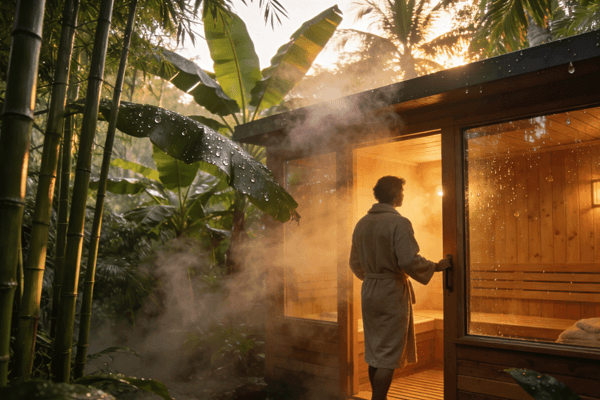
Are outdoor saunas good for tropical climates?
Outdoor saunas can work in tropical areas, but they face heavy moisture. Warm rain, high humidity, and strong sun damage wood fast. This makes sealing and ventilation very important.
Does humidity affect sauna performance?
Yes. High humidity reduces heat efficiency and causes mold. Indoor saunas control air better, so they stay cleaner and more stable.
Which sauna works better in summer?
Indoor saunas perform better in summer because the house blocks heat and moisture from outside.
Can You Use an Outdoor Sauna All Year Round?
Many people worry that outdoor saunas only work in some seasons. That idea is not true if the sauna is built well.
Outdoor saunas can be used all year if they have proper insulation, sealing, and maintenance.
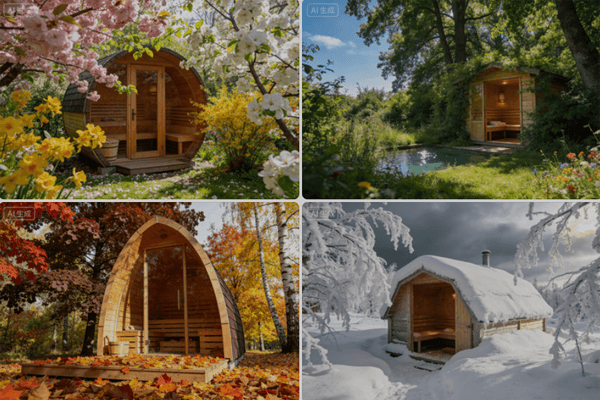
Can outdoor saunas be used in rain?
Yes, with waterproof roofs and sealed walls.
Do outdoor saunas freeze in winter?
Pipes can freeze if not drained, but most saunas do not use water inside.
What maintenance is needed for year-round use?
Wood treatment7, roof checks, and heater care keep outdoor saunas working all year.
What Type of Sauna Do Hotels and Resorts Prefer?
I work with hotels and resorts through Holie. Their choice tells a lot about value.
Luxury resorts prefer outdoor saunas for experience, while indoor saunas are used for easy daily guest use.

Why do luxury resorts prefer outdoor saunas?
Guests want nature, views, and strong feelings.
Are indoor saunas better for commercial use?
They are easier to manage and clean.
Which sauna is easier to manage for businesses?
Indoor saunas need less daily care.
Which Sauna Is the Better Long-Term Investment?
Buyers like Guilia care about return.
Outdoor saunas often attract higher guest spending, while indoor saunas save more money over time.
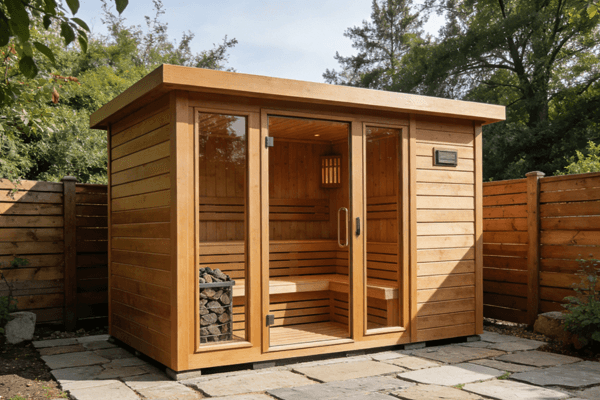
Which sauna has a higher return on investment?
Outdoor saunas in resorts often earn more.
Which sauna lasts longer with less repair?
Indoor saunas.
Which sauna has better resale value?
Indoor saunas add more home value.
Should You Buy an Indoor or Outdoor Sauna in 2026?
Trends change. Needs do not.
Indoor saunas grow in cities, while outdoor saunas grow in luxury wellness spaces.
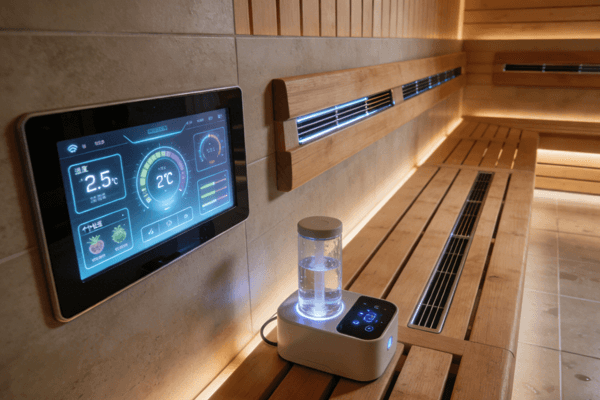
What sauna trends are growing in 2026?
Wellness, home health, and compact design.
Are outdoor saunas becoming more popular?
Yes, in resorts and villas.
Which sauna is best for future-proof homes?
Indoor saunas fit modern living best.
Conclusion
I compared indoor and outdoor saunas across cost, space, energy, safety, climate, and value, and I found each fits different lives, budgets, and future plans for homes and wellness spaces.
If you are planning a real project rather than browsing ideas, the right sauna choice should be made together with space layout, power conditions, and long-term usage plans.
-
Heat therapy and cardiovascular health – https://pmc.ncbi.nlm.nih.gov/articles/PMC10989710/ ↩
-
How much does a sauna room cost – https://finnishsaunabuilders.com/blogs/sauna-culture/how-much-is-a-sauna-room ↩
-
Cost of heating a sauna and energy use – https://www.harvia.com/en-US/ideas-and-trends/sustainability-and-safety/the-cost-of-heating-a-sauna-is-less-than-you-think/ ↩
-
How to protect an outdoor sauna from weather damage – https://www.saunafin.com/blog/how-to-protect-your-sauna-from-weather-damage/ ↩
-
US home sauna permit guidelines – https://finnishsaunabuilders.com/blogs/sauna-culture/us-home-sauna-regulations-essential-guidelines-for-homeowners ↩
-
Sauna, cold plunges, and respiratory health – https://www.lung.org/blog/sauna-cold-plunges-health-impacts ↩
-
Best wood treatments for outdoor saunas – https://finnishsaunabuilders.com/blogs/the-science-of-sauna/the-best-wood-treatments-to-keep-your-sauna-looking-new ↩