Skip to content
When a cold starts, discomfort rises fast. I often see people turn to hot baths1 for relief, even when they are unsure if heat helps or harms.
Traditional hot baths may reduce certain cold-related discomforts2, but they do not treat the illness itself. Their safety depends on temperature, hydration, and individual health conditions.
Many people assume warmth always helps. I want to explain when it supports comfort and when it quietly makes symptoms worse.
Do Hot Baths Actually Help With Cold Symptoms?
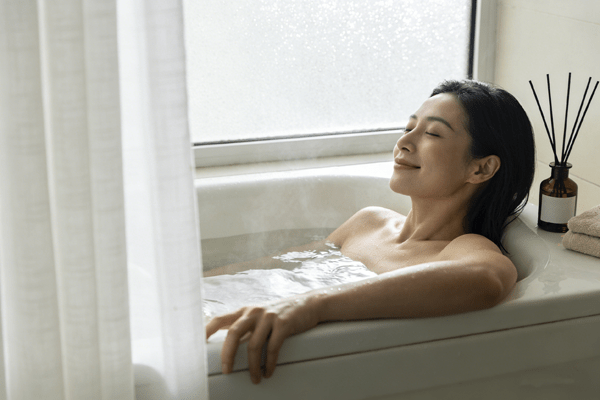
When my body feels heavy and sore during a cold, heat feels natural. Still, different symptoms react to heat in very different ways.
Hot baths may ease physical discomfort linked to colds, but the effects are short-term and symptom-specific.
Congestion & Sinus Pressure3
Warm water and steam can loosen thick mucus inside the nasal passages. This is why breathing often feels easier during or right after a hot bath.
Steam increases moisture in the airways. This moisture helps thin nasal secretions, which allows temporary drainage. I noticed this clearly when traveling during winter trade shows, where dry hotel air made congestion worse.
However, heat does not reduce inflammation inside sinus tissue. Once the body cools down, congestion often returns. Relief usually lasts minutes, not hours.
| Aspect | Effect |
|---|---|
| Steam exposure | Temporary breathing relief |
| Sinus inflammation | Not reduced |
| Illness duration | Unchanged |
Hot baths4 can support comfort, but they should not be treated as a solution.
Muscle Aches & Fatigue
Muscle pain during a cold often comes from immune activity and tension. Heat helps muscles relax.
Warm water increases blood flow to sore areas. I personally feel less stiffness after a short soak, especially in the neck and lower back.
Fatigue, however, does not improve. Heat does not restore energy or shorten recovery time. Long baths can even increase tiredness.
| Symptom | Heat Response |
|---|---|
| Muscle stiffness5 | Reduced |
| Joint soreness | Mild relief |
| Fatigue | No improvement |
Comfort improves, but energy does not.
Chills Without Fever
Chills without fever6 often come from circulation changes rather than overheating.
Warm water sends calming signals to the nervous system. Shivering usually slows or stops. This effect feels reassuring.
If chills come from fever, heat can worsen the condition. Knowing your body temperature is critical before bathing.
| Condition | Hot Bath Effect |
|---|---|
| Chills, no fever | Comforting |
| Chills with fever | Unsafe |
So, Should You Take a Hot Bath When You Have a Cold?
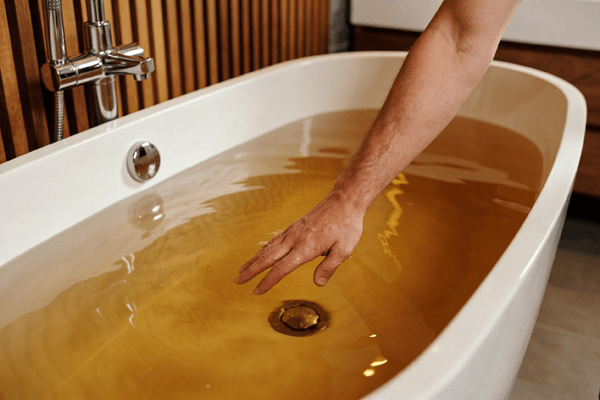
This question deserves a careful answer.
A hot bath may be taken during a cold only when there is no fever, hydration is adequate, and weakness is minimal.
From my experience working with wellness products like steam showers and soaking systems, heat works best when controlled. A bath should support rest, not challenge the body. If symptoms shift quickly, heat should be avoided.
When Is It Actually Okay to Take a Hot Bath With a Cold?
A hot bath can be acceptable only under specific conditions:
- No fever present: Body temperature should be normal. Heat combined with fever increases dehydration risk.
- Mild symptoms only: Light congestion, chills without fever, or mild fatigue.
- Adequate hydration: Water should be consumed before and after bathing.
- Short duration: The bath should be warm and brief, not excessively hot.
If dizziness, rapid heartbeat, or increasing weakness occurs, the bath should be stopped immediately. The purpose is comfort and relaxation, not forcing the body to sweat out the cold.
When Hot Baths Can Make a Cold Worse?
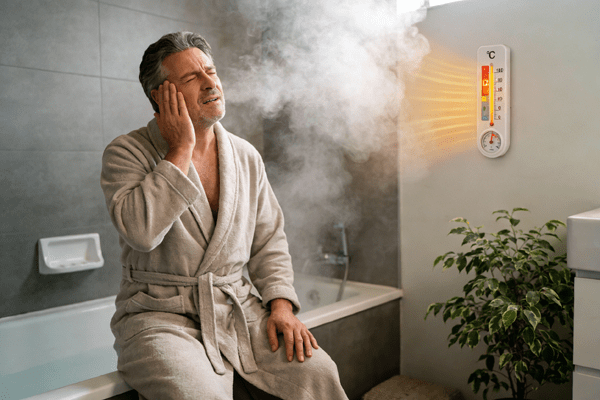
Heat can quietly increase stress on an already tired body.
Hot baths may worsen cold symptoms7 when fever, dehydration, or circulation problems are present.
If You Have a Fever
Fever means the body is already overheated.
Adding external heat raises core temperature further. This increases strain on the heart and nervous system. Symptoms such as weakness or confusion may intensify.
| Fever Status8 | Bath Safety |
|---|---|
| No fever | Usually safe |
| Mild fever | Risky |
| High fever | Avoid |
Risk of Dehydration9
Illness reduces fluid intake. Heat increases sweat loss.
Hot water accelerates dehydration faster than many people expect. Headache and dizziness often follow.
| Factor | Effect |
|---|---|
| Sweating | Fluid loss |
| Reduced drinking | Dehydration risk |
Dizziness or Blood Pressure Issues
Heat causes blood vessels to expand.
Blood pressure may drop quickly after standing. This increases fall risk10, especially in enclosed bathrooms.
| Risk Group | Concern |
|---|---|
| Low blood pressure11 | Fainting |
| Medication users | Interaction risk |
Before Taking a Hot Bath: What to Check First?
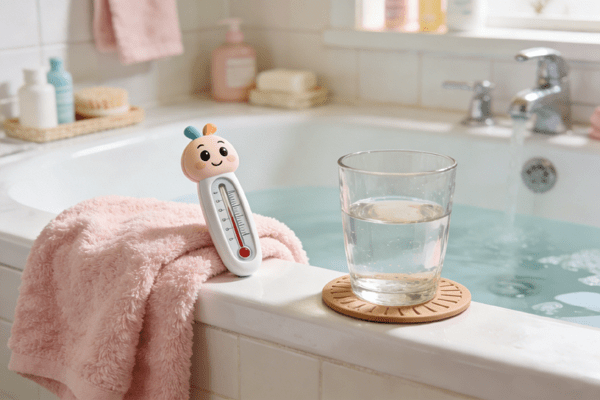
Preparation reduces risk more than people realize.
A brief self-check helps prevent heat-related problems12 during illness.
Check Your Body Temperature13
Use a thermometer if possible. Guessing often fails.
| Reading | Action |
|---|---|
| Normal | Proceed carefully |
| Elevated | Avoid |
Make Sure You Are Well Hydrated
Drink water before entering the bath.
| Hydration Status14 | Recommendation |
|---|---|
| Adequate | Safer |
| Uncertain | Drink first |
Assess Weakness, Dizziness, or Nausea15
Early signals matter.
| Symptom | Decision |
|---|---|
| None | Possible |
| Present | Avoid |
Ideal Hot Bath Temperature and Duration (Safety Guide)?
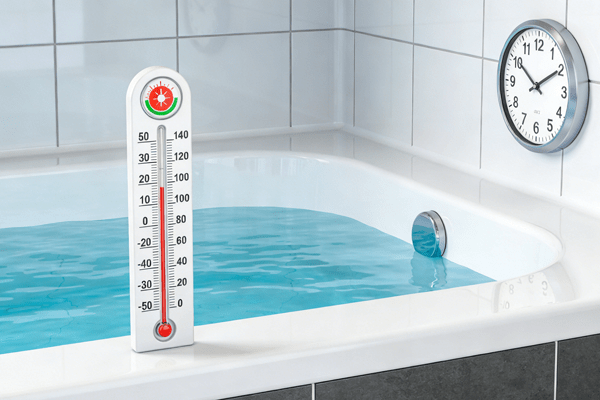
Control matters more than intensity.
Moderate temperature16 and limited duration provide comfort without overload.
Recommended Temperature Range17
| Level | Celsius | Fahrenheit |
|---|---|---|
| Safe | 37–40°C | 98–104°F |
Maximum Duration per Session18
| Session | Time |
|---|---|
| Maximum | 15–20 minutes |
How Often You Can Take a Hot Bath
| Frequency | Advice |
|---|---|
| Once daily | Acceptable |
| Multiple times | Avoid |
Signs You Should Stop Immediately19
| Sign | Action |
|---|---|
| Dizziness | Exit |
| Rapid heartbeat | Exit |
| Nausea | Exit |
Who Should Avoid Hot Baths When Sick?
Some groups face higher risk from heat exposure20.
Individual health factors strongly affect hot bath safety21 during illness.
Children
Children regulate heat poorly.
| Risk | Reason |
|---|---|
| Overheating22 | Immature control |
Seniors
Balance and circulation decline with age.
| Risk | Reason |
|---|---|
| Falls23 | Blood pressure drop |
People with Heart Conditions
Heat increases cardiovascular load.
| Condition | Concern |
|---|---|
| Heart disease24 | Added strain |
Pregnant Individuals
| Risk | Impact |
|---|---|
| Overheating25 | Avoid |
People with Respiratory Conditions26
| Condition | Effect |
|---|---|
| Asthma27 | Steam irritation |
Hot Bath vs Shower vs Sauna — Which Is Safer During a Cold?
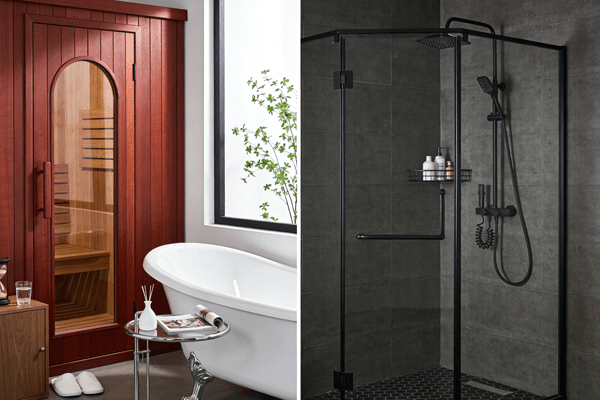
Different heat methods carry different risks.
Warm showers28 are generally safer than hot baths29 or saunas during a cold.
Hot Baths
| Aspect | Assessment |
|---|---|
| Comfort | High |
| Control | Low |
Warm Showers
| Aspect | Assessment |
|---|---|
| Comfort | Moderate |
| Safety | Higher |
Saunas and Steam Rooms
| Aspect | Assessment |
|---|---|
| Heat intensity30 | High |
| Cold safety | Low |
At HOLIE, we design wellness products31 with precise controls, but illness still requires restraint.
Safer Alternatives to Hot Baths for Cold Relief?

Gentle methods often support recovery better.
Low-intensity warmth combined with rest is often more effective.
Warm Showers32
Steam helps breathing without full immersion.
Steam Inhalation33
| Method | Benefit |
|---|---|
| Bowl steam | Focused relief |
Hydration and Rest
| Action | Benefit |
|---|---|
| Fluids | Immune support34 |
| Sleep | Recovery35 |
Final Safety Summary
When Hot Baths May Help
Hot baths36 may help with muscle tension, chills without fever, and short-term comfort when hydration is good and sessions are brief.
When Hot Baths Should Be Avoided
They should be avoided during fever, dizziness, dehydration, pregnancy, heart conditions, or respiratory sensitivity.
Key Safety Rules to Remember
Always check body temperature, limit duration, stay hydrated, and stop immediately if discomfort appears.
-
Explore the benefits of hot baths for cold relief and understand how they can provide comfort during illness. ↩
-
Learn about common cold-related discomforts and effective ways to alleviate them for better recovery. ↩
-
Learn about the benefits of steam for easing congestion and sinus pressure, and how it can enhance your cold recovery. ↩
-
Explore how hot baths can provide temporary relief from cold symptoms and improve comfort during illness. ↩
-
Explore this link to discover effective remedies for muscle stiffness, enhancing your comfort and recovery during a cold. ↩
-
This resource provides insights on managing chills without fever, ensuring you stay comfortable and informed about your health. ↩
-
Understanding cold symptoms and remedies can help you manage your health effectively and recover faster. ↩
-
Exploring bath safety guidelines based on fever status can prevent complications and ensure safety. ↩
-
Understanding dehydration risks can help you manage your health better during illness. ↩
-
Exploring strategies to reduce fall risk can enhance safety and well-being for at-risk populations. ↩
-
Understanding blood pressure is crucial for managing health risks and preventing complications. ↩
-
Learning about heat-related problems can help you stay safe and enjoy your bath without health risks. ↩
-
Understanding how to accurately check your body temperature can help prevent heat-related issues. ↩
-
Understanding hydration status can help you make informed decisions about your health and safety before bathing. ↩
-
Learning to assess these symptoms can prevent accidents and ensure a safer bathing experience. ↩
-
Understanding the ideal moderate temperature can enhance your bathing experience while ensuring safety. ↩
-
Exploring the recommended temperature range helps you enjoy a safe and relaxing bath without health risks. ↩
-
Understanding the recommended session duration can help you enjoy hot baths safely and effectively. ↩
-
Knowing these signs is crucial for your safety and well-being while enjoying hot baths. ↩
-
Exploring this topic can provide insights into vulnerable groups and how to protect them. ↩
-
Understanding the risks of hot baths can help you make informed decisions about your health when sick. ↩
-
Understanding overheating in children can help parents take preventive measures and ensure their safety. ↩
-
Exploring fall prevention strategies can significantly enhance the safety and quality of life for seniors. ↩
-
Understanding heart disease risks can help you manage your health better and prevent complications. ↩
-
Exploring the effects of overheating during pregnancy can provide crucial insights for expecting mothers. ↩
-
Understanding respiratory conditions can help in managing symptoms and improving quality of life. ↩
-
Exploring effective asthma treatments can provide valuable insights for better management of the condition. ↩
-
Discover expert insights on the benefits and safety of warm showers when you're feeling under the weather. ↩
-
Learn about the potential risks and benefits of taking hot baths while experiencing cold symptoms. ↩
-
Exploring this link will provide insights into how high heat intensity can enhance your sauna experience and overall wellness. ↩
-
Discovering this resource will help you find top-rated wellness products that can improve your health and comfort at home. ↩
-
Discover how warm showers can provide soothing relief and improve your breathing during a cold. ↩
-
Learn about the effectiveness of steam inhalation in alleviating cold symptoms and promoting recovery. ↩
-
Understanding immune support can enhance your health strategies and overall well-being. ↩
-
Exploring the role of sleep in recovery can improve your health and performance. ↩
-
Explore the benefits of hot baths for muscle tension and relaxation, and learn how to use them safely. ↩