 Skip to content
 Many buyers feel confused when choosing between dry and wet saunas. Mixed information often leads to hesitation, higher costs, and lower long-term usage.
Dry saunas and wet saunas both heat the body, but they differ in humidity, comfort, health impact, and installation requirements. Understanding these differences helps avoid wrong decisions and regret after installation. If you are comparing options for a real project, this overview of sauna systems helps clarify structural and usage differences before choosing.
This guide explains the real differences clearly, focusing on usage experience, system structure, and practical considerations so you can choose based on facts, not assumptions.
What Is a Dry Sauna and How Does It Work?
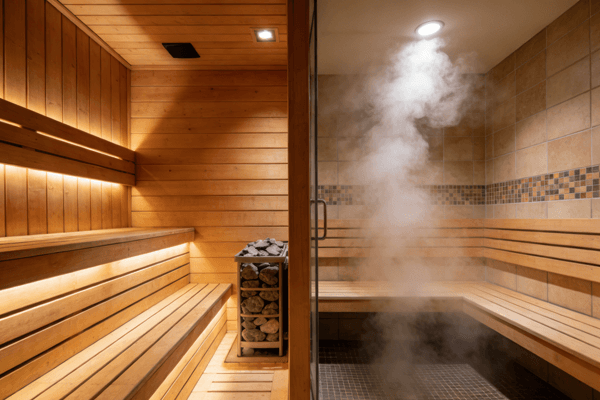
I often speak with buyers who feel confused when choosing between dry and wet saunas1. Too much mixed information creates doubt. A wrong choice can increase costs and reduce real usage later.
Many people think a dry sauna is just simple heat. In reality, the system design matters. Poor setups cause uneven temperatures and safety risks.
A dry sauna works by heating the air2 using electric or wood heaters while keeping humidity very low.
How dry sauna heat is generated
A heater warms sauna stones. These stones store and release heat evenly into the space, raising air temperature in a controlled way.
| Component | Function |
|---|---|
| Heater | Produces heat |
| Stones | Store and release heat |
| Wood panels | Insulate and stabilize |
From real project experience, dry saunas feel direct and intense. Sweat appears quickly, and breathing feels dry. This makes them suitable for users who prefer strong heat and shorter sessions.
Dry saunas are commonly used in gyms and hotels because maintenance is simple and installation is easier than steam systems. Power planning remains the main technical consideration.
What Is a Wet Sauna Steam Sauna and How Is It Different?
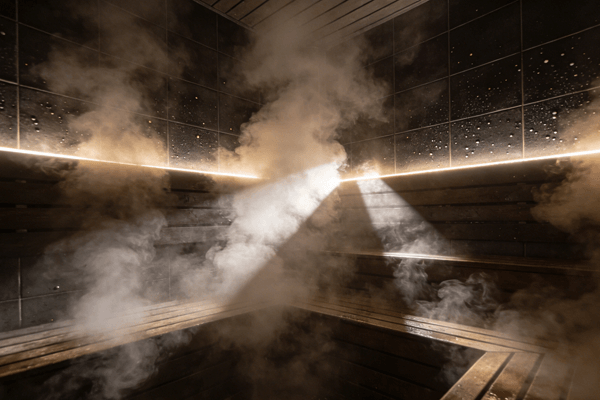
Steam saunas feel very different the moment you enter. The air feels thick. Skin feels wet quickly.
A wet sauna3 uses a steam generator to fill the room with moist heat and high humidity.
How steam sauna systems operate
Water is heated inside a steam generator. Steam flows into a sealed room.
| Element | Purpose |
|---|---|
| Steam generator | Produces steam |
| Steam outlet | Releases moisture |
| Tiled walls | Resist water damage |
Steam rooms operate at lower temperatures but high humidity. This creates a softer heat experience. Many spa guests prefer this environment because breathing feels smoother.
From a supplier view, steam saunas need careful waterproofing. Drainage and ventilation are critical for long-term durability.
What Is the Main Difference Between a Dry Sauna and a Wet Sauna?
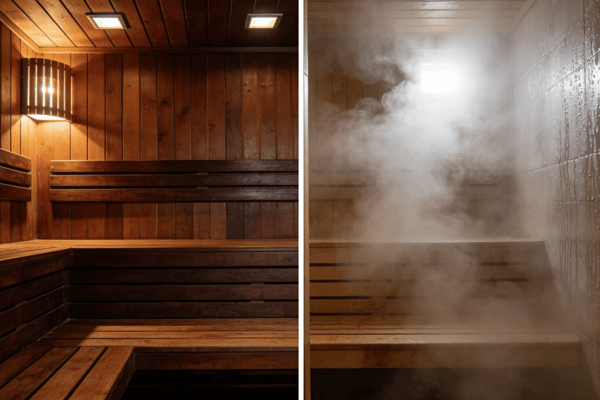
This is the most common question buyers ask me.
The main difference is humidity level4, not heat alone.
Core comparison factors
| Factor | Dry Sauna | Wet Sauna |
|---|---|---|
| Humidity | Low | Very high |
| Temperature | Higher | Lower |
| Air feeling | Dry | Moist |
Humidity changes how the body reacts. Dry heat stresses the body faster. Moist heat feels gentler but lasts longer. Neither option is better by default. The right choice depends on user preference and usage goals.
Is a Dry Sauna Better Than a Wet Sauna5 for Health Benefits?
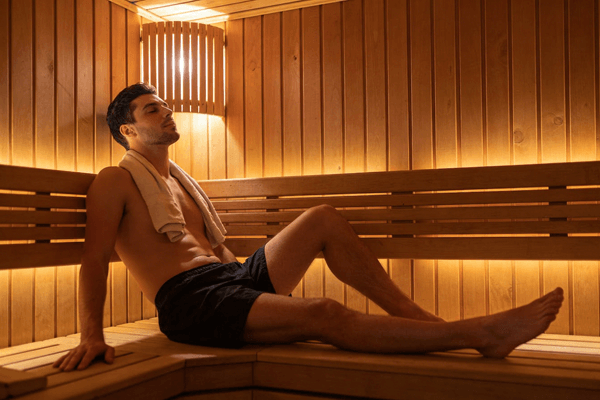
Health claims often confuse buyers. Some marketing exaggerates benefits.
Both sauna types support relaxation, circulation, and recovery when used correctly.
Health impact comparison
| Health aspect | Dry Sauna | Wet Sauna |
|---|---|---|
| Muscle relaxation | Strong | Gentle |
| Joint comfort | Moderate | High |
| Stress relief | High | High |
Dry saunas raise heart rate faster. Steam saunas support breathing comfort. From my observation, users stay longer in steam rooms, while dry sauna sessions stay shorter but more intense.
Which Sauna Is Better for Detox Dry or Wet Sauna?

Detox is often misunderstood.
Sweating supports detox6, but internal organs do most of the work.
Sweat behavior
| Sauna type | Sweat speed | Session length |
|---|---|---|
| Dry | Fast | Short |
| Wet | Slower | Longer |
Regular use matters more than sauna type. Buyers should focus on consistency and safety.
Is a Wet Sauna Better for Skin and Respiratory Health?
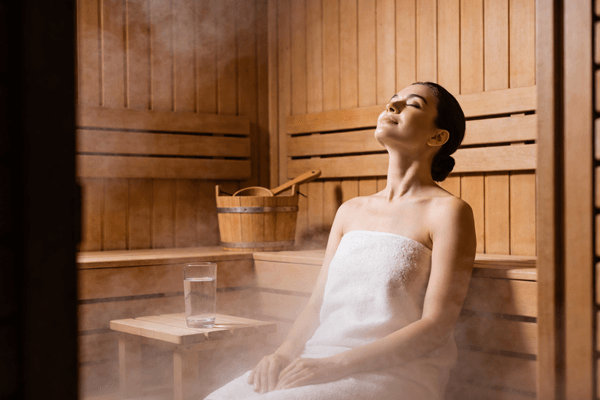
Many spa clients care about skin comfort.
Wet saunas support skin hydration and breathing comfort due to high moisture.
Skin and breathing effects
| Area | Dry Sauna | Wet Sauna |
|---|---|---|
| Skin dryness | Higher | Lower |
| Breathing ease | Medium | High |
Steam helps open airways. Dry heat may irritate sensitive skin.
Which Sauna Burns More Calories Dry Sauna or Wet Sauna?
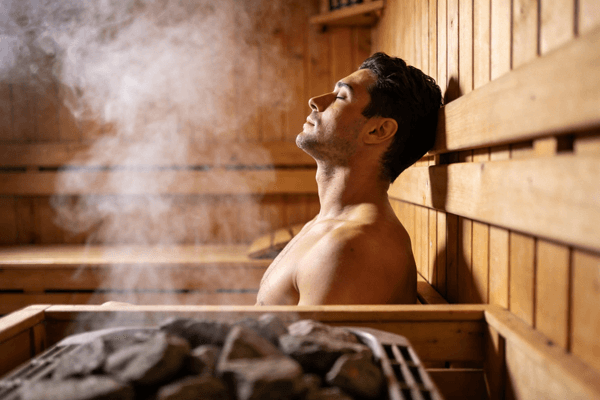
Calorie burn is not the main function of saunas.
Both saunas increase heart rate, but differences are small.
Heart rate response7
| Factor | Dry | Wet |
|---|---|---|
| Heart rate rise | Faster | Slower |
| Total burn | Similar | Similar |
Exercise remains the key factor for calorie loss.
Which Sauna Is Easier to Tolerate for Beginners?
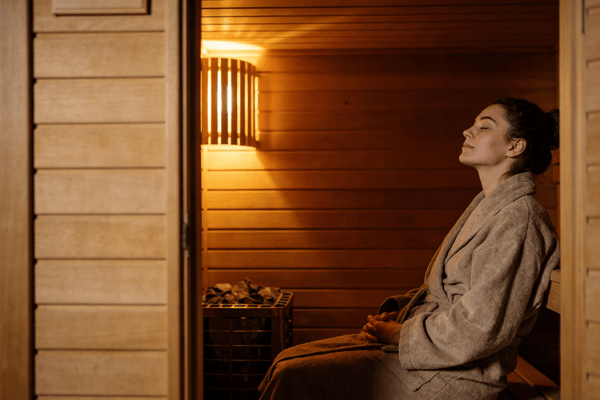
Comfort affects long-term usage.
Wet saunas are usually easier for first-time users.
Beginner tolerance factors
Steam feels softer. Lower temperature reduces shock. Dry saunas may feel overwhelming at first.
Is a Dry Sauna or Wet Sauna Better for Daily Use?
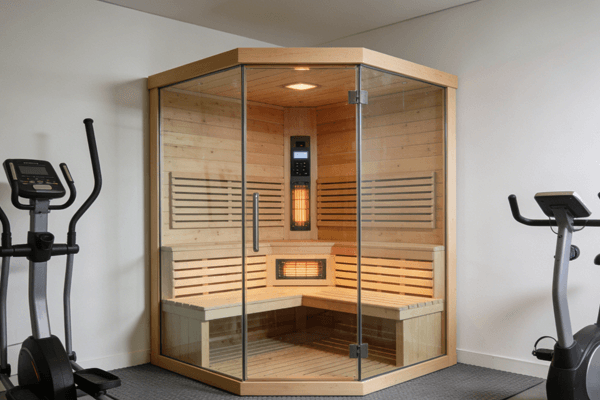
Daily use raises safety questions.
Wet saunas often feel more suitable for frequent sessions.
Daily use considerations
| Factor | Dry | Wet |
|---|---|---|
| Dehydration risk | Higher | Lower |
| Comfort | Medium | High |
Hydration remains essential.
Which Sauna Is Better After Gym or Workout Recovery?

Athletes often ask this.
Dry saunas help muscle relaxation, while wet saunas support breathing recovery.
Recovery focus
| Training type | Better option |
|---|---|
| Strength | Dry sauna |
| Cardio | Wet sauna |
Is a Dry Sauna or Wet Sauna Better for Heart Health?

Heart response matters.
Dry saunas raise heart rate faster than steam rooms8.
Safety note
Users with heart conditions should seek medical advice before sauna use.
What Temperature and Humidity Levels Do Dry and Wet Saunas Have?
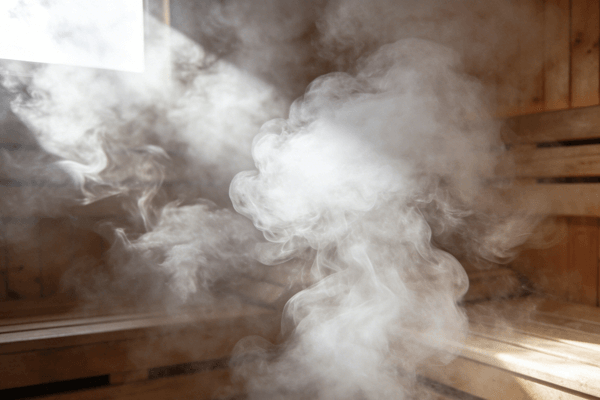
Environmental control defines comfort.
Typical ranges
| Sauna | Temperature | Humidity |
|---|---|---|
| Dry | 70–100°C | 5–20% |
| Wet | 40–50°C | 80–100% |
Which Sauna Uses More Energy Dry Sauna or Wet Sauna?

Steam saunas usually consume more energy due to water heating.
Cost drivers
Steam systems run longer and need water treatment.
Which Sauna Is Better for Home Use?
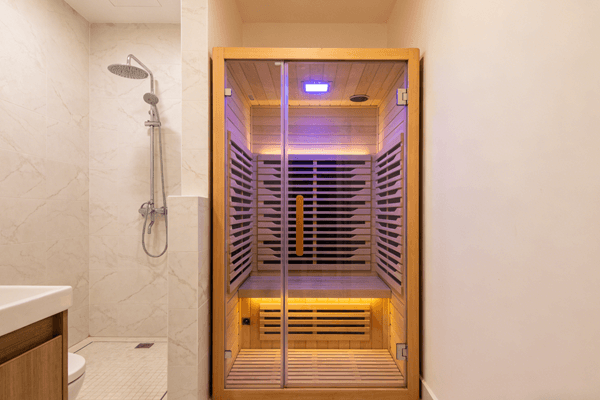
Home users value simplicity and reliability. Most buyers want a sauna that works well without complex installation. Long-term maintenance also matters more in a home setting.
Dry saunas are usually easier to install and maintain in residential environments.
Key factors for home sauna installation
Dry saunas require less waterproofing. Electrical setup is more straightforward. Ventilation is also easier to manage compared to steam rooms.
| Home factor | Dry Sauna | Wet Sauna |
|---|---|---|
| Installation complexity | Low | High |
| Maintenance effort | Low | Medium |
| Space requirement | Flexible | Strict |
From my experience, many home buyers prefer dry saunas because they feel more predictable and stable. Holie home sauna solutions focus on compact layouts, stable heaters, and clear installation guidance. This reduces risk for homeowners and installers.
Which Sauna Is Better for Commercial Spas and Hotels?
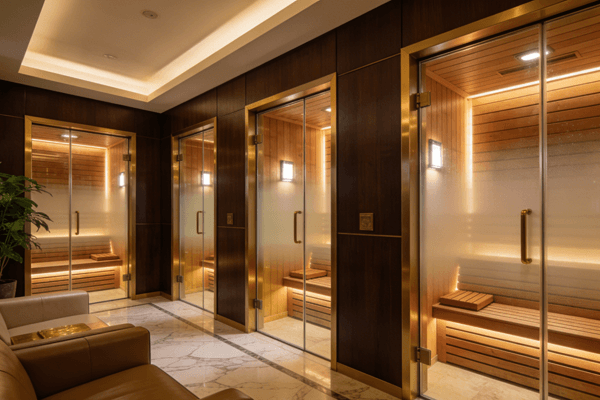
Guest comfort is a top priority in hospitality projects. Hotels and spas serve users with different tolerance levels and preferences. One single sauna type rarely satisfies everyone.
Steam saunas often attract wider user groups in spa and wellness environments.
Why commercial projects prefer steam saunas
Steam rooms feel softer and more inclusive. First-time users feel less pressure from heat. This increases usage rate and guest satisfaction.
| Commercial factor | Dry Sauna | Wet Sauna |
|---|---|---|
| Guest tolerance | Medium | High |
| Session duration | Short | Longer |
| Spa atmosphere | Traditional | Premium |
In real projects, many hotels choose to install both dry and wet saunas. This creates a complete wellness experience and reduces guest complaints. Holie often supports such projects with integrated sauna and steam room solutions for resorts and hotels.
Are There Any Risks or Side Effects of Dry or Wet Saunas?
Energy cost matters for hotels.
Safety cannot be ignored.
Common risks
| Risk | Dry | Wet |
|---|---|---|
| Dehydration9 | Higher | Medium |
| Overheating | Medium | Medium |
Who Should Avoid Dry Saunas or Wet Saunas?
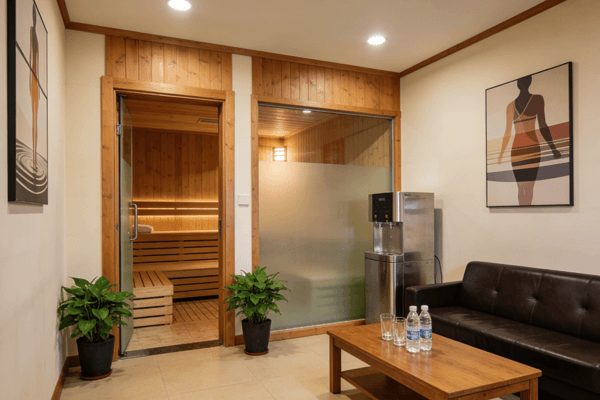
Not everyone is suitable for sauna use. Heat and humidity place stress on the body. Some users face higher risks even during short sessions.
Pregnant users and people with heart conditions[^28] should be especially cautious with both dry and wet saunas.
Groups that should limit or avoid sauna use
Certain conditions increase the chance of dizziness, dehydration, or cardiovascular stress. These users should seek medical guidance before any sauna exposure.
| User group | Risk level | Recommendation |
|---|---|---|
| Pregnant users | High | Avoid sauna use |
| Heart conditions | High | Medical approval needed |
| Respiratory disorders | Medium | Prefer mild steam or avoid |
| Low blood pressure | Medium | Short sessions only |
From my experience working with commercial wellness projects, responsible sauna suppliers always emphasize safety guidance. At Holie, usage recommendations and warning signs are provided clearly to reduce misuse and liability risks.
How Do You Choose Between a Dry Sauna and a Wet Sauna?
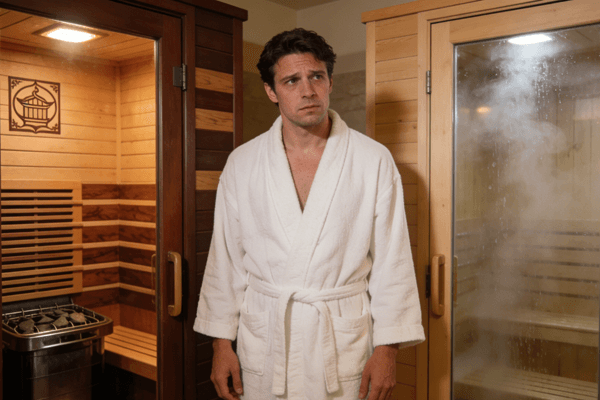
This decision depends on real use.
Selection guide
| Need | Better choice |
|---|---|
| Easy install | Dry |
| Soft comfort | Wet |
| Gym | Dry |
| Spa | Wet |
Dry Sauna vs Wet Sauna Which One Should You Choose in the End?
There is no single winner.
Final thought
The best sauna matches your users, space, and long-term operation goals.
Conclusion
Dry saunas offer intense heat and simple installation, while wet saunas provide gentle moisture and higher comfort. The right choice depends on users, usage frequency, space conditions, budget, and long-term maintenance goals rather than trends or marketing claims.
-
Dry sauna vs wet sauna – https://mysaunaworld.com/blogs/sauna-tips/dry-sauna-vs-wet-sauna?srsltid=AfmBOoq2LM0b7GkS0Keb14YFshSimWoExcub3GssEFegGtK0VKWT6HHA ↩
-
Air heating and sauna physiology – https://pmc.ncbi.nlm.nih.gov/articles/PMC10853428/ ↩
-
Wet sauna system overview – https://mysaunaworld.com/blogs/sauna-tips/dry-sauna-vs-wet-sauna?srsltid=AfmBOopShyXulFcgXZHm7c3_APWASazMR6df--QX-U_i501MHb9QkkTv ↩
-
Sauna humidity levels – https://www.divinesaunas.com/blogs/sauna-information/what-is-perfect-sauna-humidity-forget-hygrometers?srsltid=AfmBOooCXEHsKSTaqkIYKgTvqcz2tcIPPVMYu2-7jm1EVdZf2vrW0y6E ↩
-
Sweating and detoxification – https://pmc.ncbi.nlm.nih.gov/articles/PMC8998800/ ↩
-
Heart rate response to sauna – https://pubmed.ncbi.nlm.nih.gov/31126559/ ↩
-
Steam room health effects – https://www.webmd.com/balance/health-benefits-of-steam-rooms ↩
-
Dehydration risks – https://www.lung.org/blog/sauna-cold-plunges-health-impacts ↩
-
Sauna use and heart conditions – https://www.health.harvard.edu/blog/sauna-use-linked-longer-life-fewer-fatal-heart-problems-201502257755 ↩


