 Skip to content
 After a hard workout, the body feels tired and tight. Many people look for fast recovery. I often see gym users walk straight into a sauna, but doubts remain about whether this habit truly helps or just feels good.
Using a sauna after the gym can support relaxation and circulation when used correctly, but it is not a miracle solution and must match the body’s condition and recovery needs.
I have worked with wellness projects, spa buyers, and commercial gym clients for many years. This question appears again and again, so I want to explain it clearly and honestly.
Many people believe sauna use automatically speeds recovery. In reality, its value depends on timing, hydration, and individual tolerance to heat. Understanding what actually happens in the body helps avoid misuse and disappointment.
What Happens to Your Body When You Use a Sauna After a Workout?
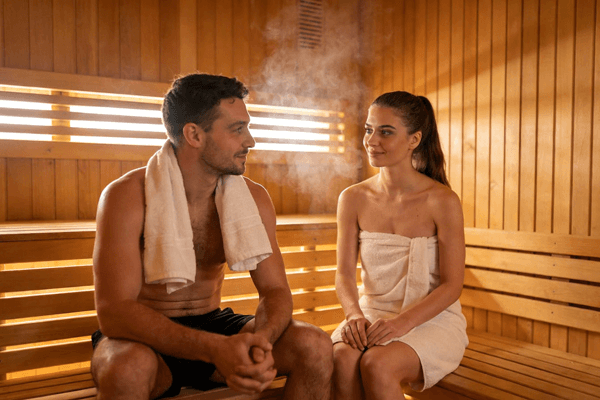
After training, the body is already under stress. Heat adds another layer of stress. This can be helpful or harmful, depending on how it is managed.
Post-workout sauna use raises body temperature, increases heart rate, and changes blood flow patterns, which may support relaxation and perceived recovery1 if done in a controlled way.
Understanding these reactions helps users avoid common mistakes.
How Does Heat Exposure Affect Muscles Right After Exercise?
After exercise, muscles are tight and full of waste products. Heat causes blood vessels to expand. This allows more blood to reach muscle tissue.
From my experience, many users feel their muscles soften after heat exposure. This does not repair muscle fibers directly. It creates a relaxed state that supports recovery conditions.
Does Using a Sauna After the Gym Improve Blood Circulation2?
Yes, circulation increases clearly. Heart rate rises to a level similar to light movement.
Blood flows more easily through muscles and skin. This explains the warm and loose feeling many people notice after leaving the sauna.
What Immediate Physical Changes Occur During Post-Workout Sauna Use?
Several changes happen at once, and they should not be ignored.
| Physical Change | What It Means |
|---|---|
| Increased heart rate | Added cardiovascular load |
| Heavy sweating | Fluid loss |
| Warm skin | Blood vessel expansion |
| Lower blood pressure after exit | Possible dizziness |
These effects show why timing and hydration matter.
What Are the Proven Benefits of Sauna After the Gym?
Many claims online exaggerate sauna benefits3. I prefer to focus on effects that appear consistently in practice and research.
Sauna use after exercise may support relaxation, circulation, and comfort, but benefits depend on duration, frequency, and personal health.

Does Sauna After Exercise Really Help Muscle Recovery?
Heat does not rebuild muscle tissue. Protein intake and rest do that work.
However, sauna heat helps muscles relax. Relaxed muscles often recover better during sleep, which indirectly supports training results.
Can Using a Sauna After the Gym Reduce Muscle Soreness (DOMS)?
Delayed muscle soreness comes from small muscle damage. Sauna use does not remove this damage.
Many users report soreness feels less intense. This is a comfort effect, not a structural repair.
Does Sauna Use After a Workout Improve Flexibility and Mobility?
Heat increases tissue elasticity. Stretching after sauna use often feels easier and safer.
This is why many high-end wellness centers combine sauna zones with light stretching areas.
Can Sauna Sessions Support Faster Recovery Between Training Days?
Sauna use supports mental recovery. Stress levels drop, and sleep quality often improves.
These factors help people return to training with better readiness, even if muscles still need rest.
Is Using a Sauna After the Gym Good for Heart Health?
This topic matters for beginners and older users. Sauna heat strongly affects the cardiovascular system.
Sauna sessions raise heart rate and improve blood vessel flexibility, but they also increase cardiac demand and must be used carefully.
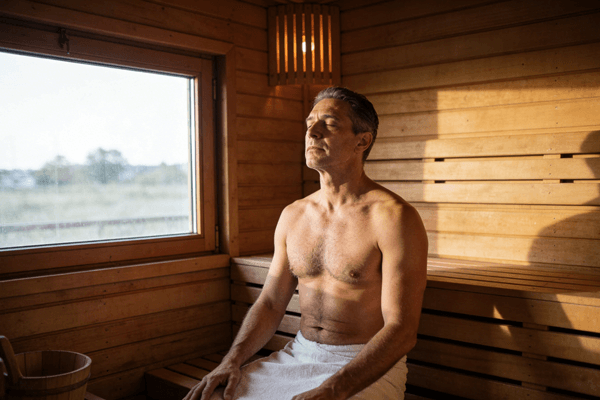
How Does Sauna Use After Exercise Affect Heart Rate and Circulation?
Heart rate often rises to 100–150 beats per minute. Blood vessels expand and resistance drops.
This combination improves circulation but also increases workload on the heart.
Can Post-Workout Sauna Sessions Improve Cardiovascular Endurance?
Some research suggests repeated sauna use supports heat adaptation. This may benefit endurance athletes.
Sauna use cannot replace cardio training. It only supports certain adaptations.
Is Sauna After Gym Safe for People with Heart Conditions?
Safety depends on the condition. Some patients benefit from controlled heat exposure. Others face serious risk.
Medical advice is required before sauna use in these cases.
| User Type | Sauna Recommendation |
|---|---|
| Healthy adults | Usually safe with limits |
| Controlled heart patients | Medical approval needed |
| Uncontrolled conditions | Avoid sauna |
Can a Sauna After the Gym Help With Weight Loss or Fat Burning?
This is one of the most common misunderstandings I hear from buyers and gym clients.
Sauna use causes temporary water loss, not direct fat loss, and should not be treated as a weight loss tool.

Does Sweating in a Sauna Burn Fat or Just Water Weight?
Sweat removes water stored in the body. Fat remains unchanged.
Weight returns once fluids are replaced, often within hours.
Can Sauna After Workout Boost Metabolism or Calorie Burn?
Heat slightly increases heart rate. This raises calorie burn a little.
The effect is small and should not be used to justify sauna use for fat loss.
Is Sauna Use After Exercise Effective for Long-Term Weight Management?
Sauna use may support routine consistency by improving comfort and relaxation.
This indirect effect may help long-term habits4, but sauna alone does not control weight.
Is Sauna After the Gym Better Than Stretching or Ice Baths5?
Recovery tools serve different goals. No single method replaces all others.
Sauna, stretching, and cold exposure each support different recovery processes and should be used based on training needs.
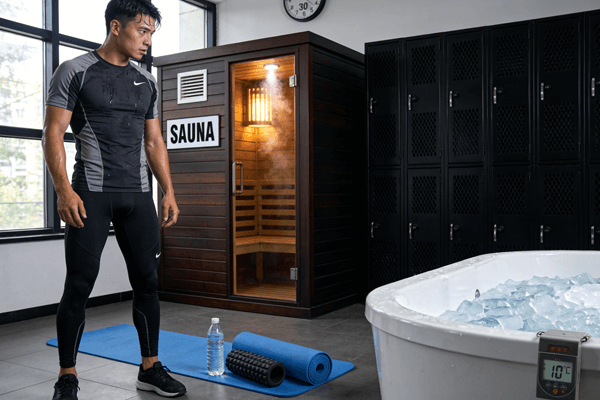
Sauna vs Ice Bath: Which Is Better After a Workout?
Ice baths reduce inflammation and swelling. Sauna promote circulation and relaxation.
Choice depends on training intensity and personal response.
Should You Stretch Before or After Using a Sauna Post-Workout?
Stretching after sauna use often feels easier and safer.
Heat prepares muscles for movement. Forced stretching before heat may increase risk.
Can Sauna Replace Other Recovery Methods After Exercise?
No. Sauna6 use works best as one part of a recovery plan.
Sleep, nutrition, and light movement remain essential.
| Recovery Method | Primary Purpose |
|---|---|
| Sauna | Relaxation and circulation |
| Stretching | Mobility |
| Ice bath | Inflammation control |
| Sleep | Tissue repair |
How Long Should You Stay in a Sauna After the Gym?
Time management is critical. Longer sessions are not always better.
Short and controlled sauna sessions7 provide benefits with lower risk than extended exposure.
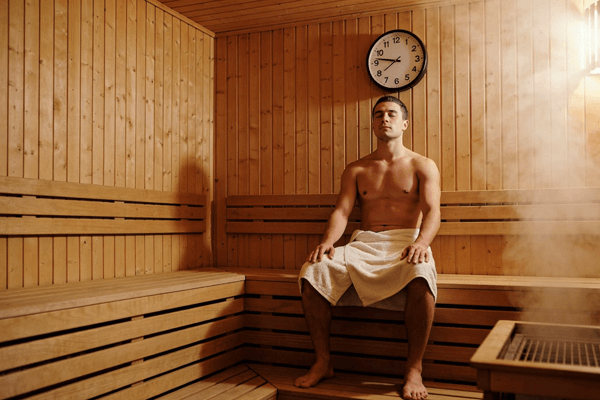
What Is the Ideal Sauna Duration After a Workout?
For most people, 10 to 20 minutes is enough.
Longer sessions increase dehydration and dizziness risk.
How Soon After Exercise Should You Enter the Sauna?
Cooling down first8 is important. Waiting 10–15 minutes helps stabilize heart rate.
Skipping this step is a common cause of discomfort.
How Many Times Per Week Should You Use a Sauna After Training?
Two to four sessions per week fit most routines.
Daily use may suit experienced users with strong hydration habits.
Are There Any Risks of Using a Sauna After the Gym?
Risks exist and should not be ignored, especially in commercial facilities.
Dehydration, dizziness, and overheating are the most common risks of post-workout sauna use.

Can Sauna After Exercise Cause Dehydration or Dizziness?
Yes. Sweat loss increases rapidly after exercise.
Water and electrolytes should be replaced before and after sauna use.
Who Should Avoid Using a Sauna After a Workout?
Some groups should avoid sauna use or seek advice.
| Group | Recommendation |
|---|---|
| Pregnant users9 | Medical advice needed |
| Fever or illness | Avoid sauna |
| Severe heart issues | Avoid sauna |
What Are the Warning Signs You Should Leave the Sauna Immediately?
Warning signs should never be ignored.
| Symptom | Action |
|---|---|
| Dizziness | Exit immediately |
| Nausea | Cool down |
| Chest pain | Seek help |
| Blurred vision | Stop session |
Is Sauna After the Gym Suitable for Beginners and Heavy Lifters?
Experience level changes how the body responds to heat.
Sauna use should match training load and recovery capacity.
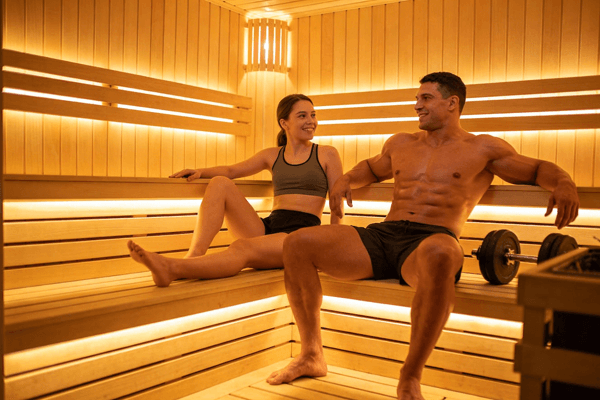
Should Beginners Use a Sauna After Their First Workouts?
Beginners should start with very short sessions.
The body needs time to adapt to both exercise and heat stress.
Is Sauna Use After Strength Training Different From Cardio?
Strength training creates muscle damage. Sauna helps relaxation but not repair.
Cardio already stresses the heart, so timing matters more.
Do Professional Athletes Use Saunas After Training — and Why?
Yes. Many athletes use saunas to relax and manage stress.
They follow strict hydration and timing protocols.
Steam Room or Sauna After the Gym: Which Is Better?
This question often comes up in spa and hotel projects I work on.
In commercial gyms, hotels, and wellness centers where steam rooms and saunas operate together, working with an experienced commercial sauna project partner helps ensure system compatibility, safety compliance, and long-term operational stability.
Steam rooms and saunas provide similar heat stress but differ in humidity and breathing comfort.
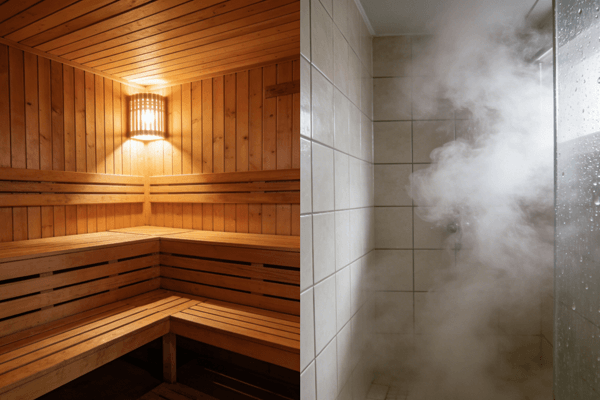
What’s the Difference Between a Steam Room and a Sauna After Exercise?
Steam rooms use moist heat. Saunas use dry heat.
Some users find steam easier on joints. Others prefer dry air.
Is a Steam Room Better Than a Sauna for Muscle Recovery?
Both support relaxation. Steam may feel gentler for some users.
Comfort often decides the better option.
Which Option Is Safer After an Intense Workout?
Dry saunas allow sweat to evaporate more easily.
Steam rooms may feel heavier after intense training.
What Do Experts and Studies Say About Sauna After Exercise?
I often review studies when advising wellness buyers and resort developers.
Research supports sauna use as a complementary recovery tool, not a replacement for rest or training.
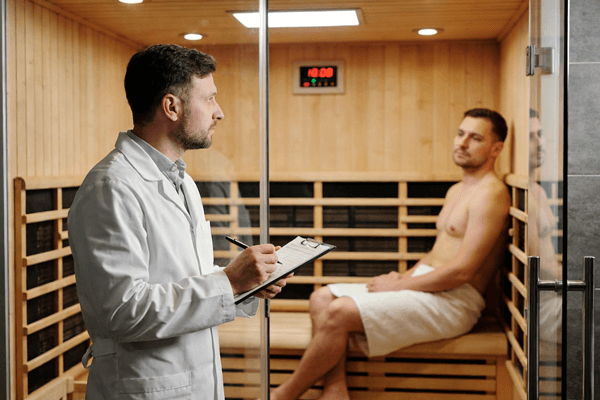
What Does Scientific Research Say About Sauna and Recovery?
Studies show improved circulation and relaxation effects.
Direct muscle repair benefits remain limited.
Do Doctors Recommend Using a Sauna After the Gym?
Doctors often approve moderate sauna use for healthy adults.
They stress hydration, duration control, and awareness.
Is Sauna After Workout Supported by Sports Science?
Sports science supports sauna use for heat adaptation and comfort.
It does not replace structured recovery programs.
Frequently Asked Questions About Sauna After the Gym
These questions come up often in gyms and wellness centers.

Is It Okay to Use a Sauna After Every Workout?
Yes, if sessions are short and hydration is managed.
Listening to body signals is essential.
Should You Shower Before or After Using a Sauna Post-Workout?
Showering before improves hygiene. Showering after cools the body.
Both steps matter in shared facilities.
Can You Use a Sauna After Gym at Night Before Sleep?
Many users report better sleep quality.
Sessions should end at least one hour before bed.
Is Sauna After Workout Safe for Older Adults?
Many older adults benefit from controlled sauna use.
Medical advice is strongly recommended.
Conclusion
Using a sauna after the gym is not a myth, but it is also not a shortcut to better fitness. Sauna heat can support relaxation, circulation, and perceived recovery when used in a controlled and informed way. It does not directly repair muscles, burn fat, or replace proper rest. Hydration, timing, and individual health conditions determine whether sauna use becomes helpful or harmful. From my experience working with wellness projects and recovery-focused facilities, the best results appear when sauna use is treated as one small part of a complete recovery routine that includes sleep, nutrition, and smart training decisions.
-
The Validity of Perceived Recovery Status as a Marker of Daily Recovery Following a High-Volume Back-Squat Protocol – https://pubmed.ncbi.nlm.nih.gov/35255478/ ↩
-
Benefits of sauna bathing for heart health – https://www.uclahealth.org/news/article/benefits-sauna-bathing-heart-health ↩
-
Cardiovascular and Other Health Benefits of Sauna Bathing – https://www.mayoclinicproceedings.org/article/s0025-6196(18)30275-1/fulltext ↩
-
Steps for Losing Weight | Healthy Weight and Growth – https://www.cdc.gov/healthy-weight-growth/losing-weight/index.html ↩
-
Do ice baths help workout recovery? – https://health.osu.edu/wellness/exercise-and-nutrition/do-ice-baths-help-workout-recovery ↩
-
A post-exercise infrared sauna session improves recovery of neuromuscular performance – https://pmc.ncbi.nlm.nih.gov/articles/PMC10286597/ ↩
-
Sauna After Workout: The Health and Weight Loss Benefits – https://www.healthline.com/health/fitness/sauna-after-workout ↩
-
Do We Need a Cool-Down After Exercise? A Narrative Review – https://pmc.ncbi.nlm.nih.gov/articles/PMC5999142/ ↩
-
Saunas During Pregnancy – https://americanpregnancy.org/healthy-pregnancy/is-it-safe/saunas-and-pregnancy/ ↩


