 Skip to content
I see many people try ice baths1 because they feel stuck with soreness, stress, or low energy, and this makes them search for a quick solution. Cold exposure looks simple, but many people do not know how it works. I want to explain the science in a clear way so you feel confident and safe.
Ice baths are a cold-water method that changes blood flow, hormones, and nerve activity, and many people use them for recovery, mood, and inflammation control.
I want to guide you through each part so you understand the benefits, the limits, and the safe ways to start.
What Exactly Is an Ice Bath and How Does It Work?
I often see beginners step into cold water without knowing what will happen to their bodies, and this creates unnecessary fear.
An ice bath is a controlled cold-water immersion2 that pushes your body into a fast, protective response involving blood vessels, nerves, and stress hormones.
I want to show how these changes work so you can decide if this method fits your goals.
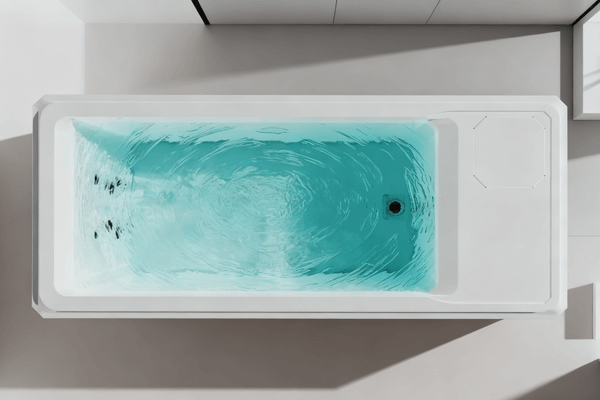
What happens to your body during an ice bath?
When I step into cold water, my body reacts in seconds. My blood moves inward. My breathing becomes fast. My skin becomes tight. This happens because my body wants to protect vital organs. This reaction also wakes up the nervous system. I feel alert and aware. Many people describe a sharp mood lift because stress hormones rise and the brain becomes focused.
How cold does an ice bath need to be to be effective?
Most people use water between 8–12°C (46–54°F). I find this range safe and effective. It gives enough cold to trigger a strong physical response without forcing beginners into panic. Some athletes go colder, but this is not necessary for most wellness goals.
Ice Bath Mechanisms
| Body Change | What Happens | Why It Helps |
|---|---|---|
| Vasoconstriction | Blood moves inward | Reduces swelling |
| Fast breathing | Nervous system activation | Improves alertness |
| Cold shock | Hormone spike | Builds resilience |
How to Guide Beginners Through Their First Ice Bath
When I try to explain ice bath science to customers at Holie, I want to make sure they understand how cold exposure3 works, not just how it feels. This helps them stay calm during the first plunge and avoid common mistakes. The body reaction is strong, but when you know the steps, it becomes manageable. Many people discover that the fear fades after the first minute. I guide them to focus on slow breathing because this helps the nervous system4 settle. When beginners understand the science, they can use ice baths as part of a balanced wellness plan, especially when paired with saunas or steam rooms, which Holie also supplies. With good guidance, the body begins to adapt, and the initial shock becomes a sense of control. This adaptation is what makes cold exposure useful and safe for long-term routines.
Why Do People Take Ice Baths After Exercise?
After a tough workout, I sometimes feel heavy legs and tight muscles. This discomfort can slow down the next training or workday.
Ice baths help reduce soreness and swelling by slowing inflammation and calming tissue stress after intense exercise.
I want you to understand how timing affects recovery.
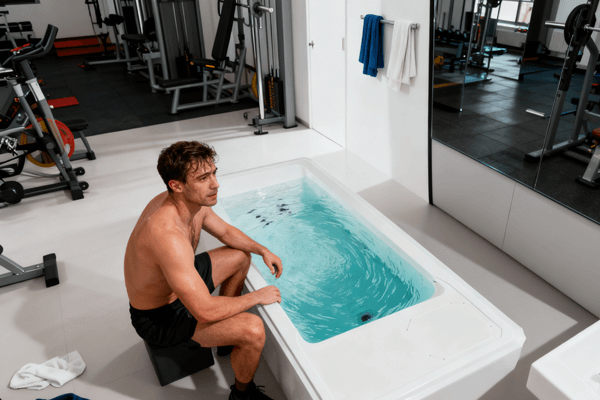
Do ice baths really reduce muscle soreness5(DOMS)?
Delayed soreness comes from tiny muscle damage. When I use cold water right after training, the soreness is often less the next day. The cold slows swelling and reduces the signals that cause discomfort. It does not rebuild muscle, but it helps the body feel more comfortable.
Can ice baths improve athletic recovery or performance?
Athletes use ice baths when they need to recover fast between sessions. I see this often with team sports. Cold helps reduce swelling and keeps the body ready for the next workout. But daily ice baths may slow long-term strength growth. So timing is important.
Recovery Effects
| Benefit | Best Use | Not Ideal For |
|---|---|---|
| Less soreness | Hard training days | Light exercise days |
| Faster recovery | Competitions | Daily strength cycles |
| Lower swelling | Acute stress | Chronic issues |
How Should Athletes Time Ice Baths for Best Results?
When I speak with customers who train often, they tell me they want tools that help them stay consistent. Ice baths help them manage soreness so they can return to training sooner. But I always remind them to use cold wisely. If the goal is muscle growth6, cold exposure right after strength training may reduce gains. This is why many coaches suggest saving ice baths for high-stress sessions or competitions. I follow this pattern myself because it gives me the best balance between recovery and progress. Cold exposure can also help people who work long hours standing, as it reduces swelling in the legs. Many Holie clients pair cold baths with warm steam showers to complete their recovery routine. When used thoughtfully, ice baths become a simple and reliable way to manage physical stress.
What Are the Science-Backed Benefits of Ice Baths?
People often hear bold claims about cold plunges, and this creates confusion. I prefer to look at real evidence.
Research shows strong benefits in mood, inflammation, and stress resilience when cold exposure is used correctly.
Let’s look at what science supports.
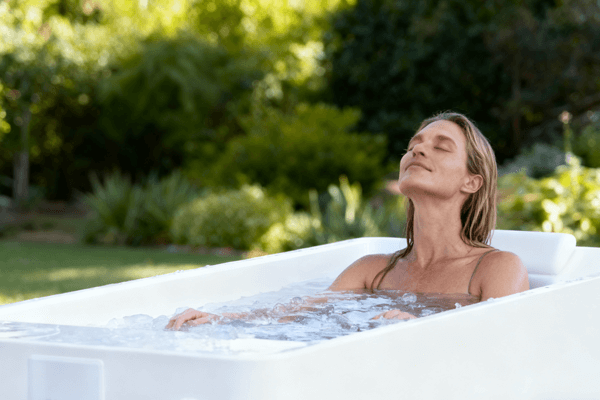
Do ice baths help reduce inflammation7?
Cold exposure reduces blood flow to the surface, and this helps limit swelling. I often feel relief after a long day of work when I use cold water8. It does not cure injuries, but it gives short-term comfort.
Can ice baths boost mood or mental resilience?
Many people feel calm after the first shock fades. Cold exposure forces controlled breathing. This helps the brain reset. Over time, people become better at handling stress because the nervous system becomes less reactive.
Do cold plunges9 support better circulation or metabolism?
The body cycles between tight vessels during the cold and relaxed vessels during warming. This cycle improves blood flow. Some people feel a slight increase in metabolism, but this effect is small unless cold becomes routine.
Benefit Overview
| Area | Effect | Strength of Research |
|---|---|---|
| Mood | Strong boost | Medium |
| Inflammation | Reduced swelling | Strong |
| Circulation | Improved cycling | Medium |
How Do Cold Plunges Affect Circulation and Metabolism?
When customers ask me about the science, I always explain it in simple terms. Cold exposure10 helps the body reset. It pushes the system into a controlled challenge, and the body responds by improving its resilience. This is why many people feel calm and clear after a plunge. It is not magic. It is a physical response. Cold also helps people who spend long hours sitting. The circulation boost after warming up can reduce stiffness. I also see people use ice baths11 as part of their mental wellness routines. They tell me the challenge helps them build confidence. Holie often provides both ice bath equipment and saunas because the combination supports both physical and emotional well-being. When people understand the real science, they can use cold exposure in a safe and effective way every week.
Do Ice Baths Help With Weight Loss or Fat Burning?
Many people hope cold exposure can replace diet or exercise. I want to be clear and honest.
Ice baths increase calorie burn slightly, but they do not replace lifestyle habits or long-term routines.
Let’s look at what cold can and cannot do.
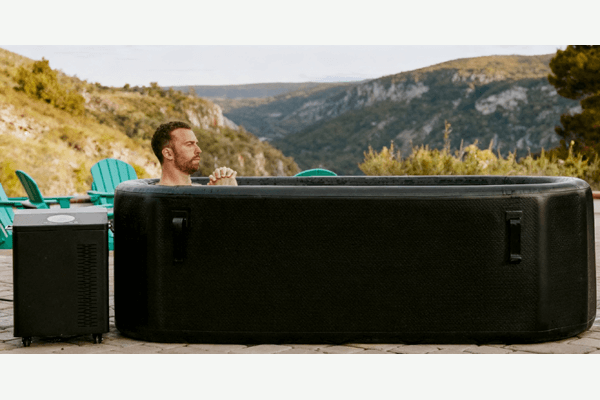
Can ice baths increase brown fat activation12?
Brown fat burns energy to create heat. Cold activates this fat. I feel warmer after a session because of this effect. People with regular cold routines may see more brown fat activity over time.
Do cold plunges13 boost metabolism enough to lose weight?
Cold burns calories. But the effect is moderate. It may support weight goals but will not create major fat loss on its own. I see ice baths more as a support tool that improves mood and recovery, which helps people stay consistent with training.
Weight Loss Effects
| Factor | Change | Notes |
|---|---|---|
| Brown fat | More active | Needs routine |
| Calories burned | Moderate | Not enough alone |
| Long-term fat loss | Possible support | Needs lifestyle balance |
Can Ice Baths Really Boost Brown Fat and Metabolism for Weight Loss?
When people ask me about weight loss, I explain that cold exposure can support metabolism but cannot replace healthy habits. Cold makes the body work harder to stay warm, but the extra calorie burn is not large. What I find more helpful is the mood boost14. When people feel better, they move more. They train more. They make better food decisions. This indirect effect can help long-term results. Many Holie customers use cold exposure as part of a larger wellness plan that includes exercise, sauna sessions, and a balanced routine. When people use cold in a consistent way, they see improvements in energy and motivation. This helps create the foundation for lasting changes.
Are Ice Baths Safe or Dangerous?
I always remind beginners that safety is more important than intensity.
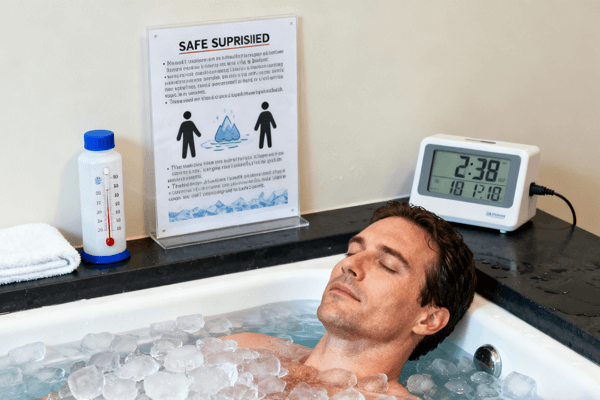
Ice baths15 are safe for most healthy people, but not safe for people with heart, nerve, or circulation issues.
Understanding limits is essential.
Who should not take ice baths?
People with heart conditions16, high blood pressure, nerve disorders, or circulation problems should avoid ice baths unless guided by a doctor. Cold exposure places stress on the body, and not everyone should use it.
Can ice baths be harmful for your heart or blood pressure?
Cold causes an immediate rise in blood pressure. This is normal but risky for certain people. If you feel chest pressure, dizziness, or pain, the session should stop immediately.
Are daily ice baths too much for beginners?
Most beginners should not plunge daily. The body needs time to adapt. A few sessions per week is safer and more effective long-term.
Safety Overview
| Risk | Cause | Solution |
|---|---|---|
| High blood pressure17 | Cold shock | Slow entry |
| Numbness | Long exposure | Shorter time |
| Heart strain18 | Tight blood vessels | Medical guidance |
What Are the Heart and Blood Pressure Risks of Ice Baths?
When I guide new users, I always check their comfort level first. I tell them to enter slowly and keep their hands on the edge of the tub. This gives them a sense of control. Many people underestimate how strong the cold shock19 can be, especially in the first minute. Breathing becomes fast, and the heart works harder. This is why beginners should start with mild temperatures. I have seen cases where people try to impress friends and go too cold too fast. This never helps. Cold exposure works best when the body adapts slowly. Holie often supplies equipment with built-in temperature controls20 to help keep sessions safe. When people understand their limits, ice baths become a safe and helpful part of their routine.
How Long Should You Stay in an Ice Bath for the Best Results?
People often think longer is better. This is not true.
Most benefits appear within 2–10 minutes, depending on cold tolerance21 and temperature.
I want to help you avoid common mistakes.
How many minutes is optimal for recovery?
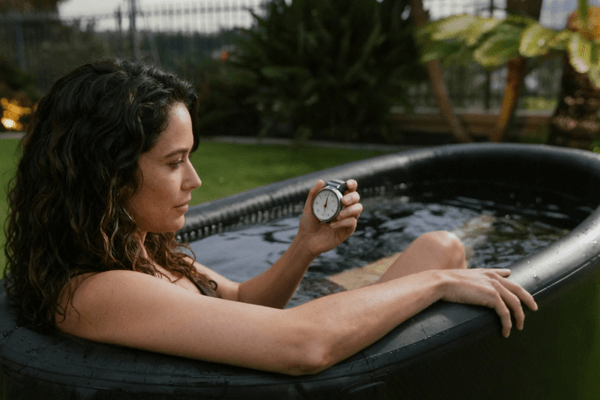
Most people benefit from 5–8 minutes22. This range helps reduce soreness without adding risk. If the water is warmer, people may stay slightly longer.
How often should you do an ice bath each week?
Two to four sessions a week work well for most people. More sessions may reduce long-term strength gains, especially if used right after training.
Duration Guide
| Goal | Best Time | Frequency |
|---|---|---|
| Recovery | 5–8 minutes | 2–3 times weekly |
| Mood | 2–4 minutes | Near daily |
| Adaptation | 8–12 minutes | 2–3 times weekly |
What Is the Optimal Duration and Frequency for Ice Bath Recovery?
People often ask me how long they should stay in cold water. I tell them that the value of an ice bath is not in long sessions. It is in the controlled stress23 that trains the nervous system. After 8 minutes, the benefits flatten for most people, and risks increase. This is why timing matters. Beginners should start with short sessions and slowly increase time. When I began cold exposure, I could only stay in for two minutes. Over time, my body adapted, and I reached longer sessions comfortably. This slow progress is safer and gives better long-term results. Holie offers systems that allow users to monitor time and temperature, which helps people stay within safe limits.
Are Ice Baths Better Than Hot Baths or Saunas?
I use both methods because they offer different benefits.
Saunas relax the body, while ice baths24 activate the body. Both can be useful depending on your goals.
Holie supplies both solutions, so I often explain how people can combine them.
Is contrast therapy25 (hot–cold) more effective than ice baths alone?
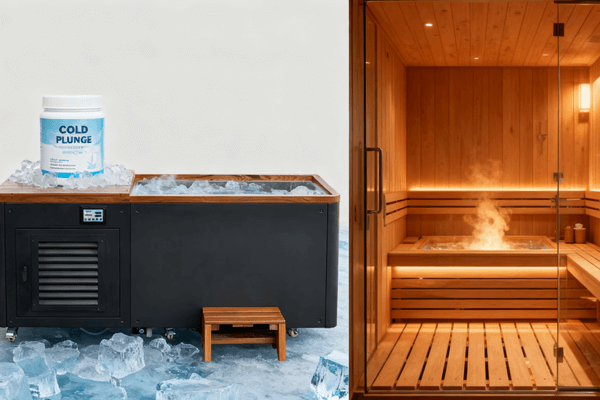
Many people switch between hot and cold during wellness routines. The sudden temperature change improves blood flow cycles. Some research suggests this helps recovery and relaxation.
Should you take a sauna26 or ice bath first?
I prefer to start with heat. It relaxes my muscles. I end with cold because it leaves me alert. Some people do the reverse. Both methods are safe as long as the change is controlled.
Hot–Cold Comparison
| Method | Main Effect | Best Use |
|---|---|---|
| Sauna | Heat stress | Relaxation |
| Ice bath | Cold stress | Recovery |
| Contrast27 | Blood flow cycles | Full refresh |
Is Contrast Therapy More Effective Than Using Ice Baths Alone?
When customers ask me which method is better, I always explain that heat and cold do different things. Saunas help the body relax. They also help with sweating and light detox effects. Cold exposure activates the mind and reduces soreness. When people combine both, the body gets a full cycle of blood flow and nervous-system training. This is why many wellness centers use both tools. Holie provides saunas and cold plunge systems for clients who want a full solution. People often report better sleep and mood when they combine heat and cold. The key is to use each method at the right time and avoid extremes that stress the body too much.
Do Ice Baths Help With Stress, Anxiety, or Mental Clarity?
I sometimes use cold exposure when I feel overwhelmed. The effect feels fast and clear.
Cold exposure triggers a strong nervous-system response28 that can help people feel calmer, more focused, and more aware.
Let’s examine why many people report these mood shifts.

Why do some people feel “euphoric” after an ice bath?
Cold exposure29 increases hormones like norepinephrine. This creates a sharp sense of awareness. After the initial shock, people often feel calm and grounded.
Is the dopamine boost from ice baths real?
Research shows a clear dopamine30 rise after cold exposure. This boost can last for hours. I often feel more motivated and clear after a plunge for this reason.
Mood Effects
| Feeling | Cause | Duration |
|---|---|---|
| Calmness | Deep breathing | Short |
| Focus | Adrenaline | Medium |
| Motivation | Dopamine | Long |
Why Do Ice Baths Affect Mood and Mental Clarity?
When I talk to people about stress, I often explain that cold exposure is like a natural reset button. The body enters a strong but controlled shock, and the brain shifts into a focused state. This effect helps people manage daily stress. Many users tell me they feel mentally lighter after their sessions. I feel the same way. Cold exposure requires slow breathing, and this activates the calming part of the nervous system. This is why many people use ice baths in the morning to start their day with clarity. Holie offers systems that allow users to adjust temperature to their comfort. When people understand the connection between cold exposure31 and mood, they can use it as a simple tool to manage stress and improve daily productivity.
What’s the Best Way to Start Ice Baths as a Beginner?
Starting cold exposure can feel intimidating, especially when you have never tried it. Many people hesitate, fearing the initial shock and discomfort.
The best approach is gradual: mild temperatures, short sessions, controlled breathing32, and attention to safety.
I want to help beginners feel confident and enjoy the benefits without risk.
How do you take an ice bath safely at home?
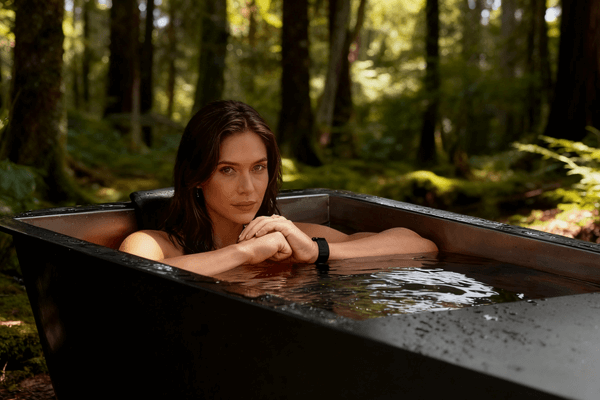
When I first tried ice baths, I filled the tub with cool water and added ice slowly. I entered feet first and kept my hands on the edge for stability. Slow, controlled breathing is crucial to stay calm and manage the body’s shock response. I found that focusing on breath made the experience manageable and even energizing.
What is the best temperature for beginners?
Beginners should start with 10–15°C (50–59°F)33. This range is cold enough to trigger benefits but not so extreme as to cause panic. As comfort and tolerance improve, water temperature can gradually be lowered.
Should you breathe or meditate during an ice bath?
Yes. I always practice deep, slow breathing34 and sometimes meditation. This helps reduce the natural panic response, improves circulation, and allows the body to adapt more effectively. Mindfulness during the session enhances both mental clarity and physical benefits.
Step-by-Step Guide for Beginners
| Step | Action | Reason |
|---|---|---|
| Fill tub with cool water | Add ice gradually | Control cold exposure |
| Enter slowly | Feet first, hands on edge | Reduce shock |
| Focus on breath | Deep inhale/exhale | Calm nervous system |
| Short session | 2–5 minutes | Build tolerance safely |
| Gradual progression | Increase time or lower temp | Adaptation without risk |
When I guide beginners, I emphasize patience. The goal is to build confidence and comfort, not to push limits immediately. Using controlled sessions allows the body to adapt naturally. Over time, many beginners find the process invigorating and even mentally rewarding. I often recommend pairing ice baths with warm showers or saunas from Holie for a contrast experience35 that supports recovery and circulation. With consistent practice, ice baths become a safe and effective tool for wellness, stress relief, and mental resilience.
Are Ice Baths Worth It Based on Current Research?
Many people question whether ice baths are truly effective or just a trendy wellness fad. I often hear doubts from clients before they try their first plunge.
Scientific studies suggest ice baths have moderate benefits for recovery, inflammation reduction36, and mental resilience, but results depend on usage and individual conditions.
Understanding the research helps decide if this method is right for you.

What do scientific studies really say about ice bath effectiveness?
Research indicates that ice baths reduce post-exercise soreness and may lower inflammation markers. Some studies show improved recovery after intense training. However, other studies find no significant impact on long-term muscle adaptation or performance. For mood and mental clarity, cold exposure appears to trigger dopamine and norepinephrine, providing temporary alertness and euphoria.
Do the benefits outweigh the risks for most people?
For healthy individuals, moderate ice baths (2–4 times per week, 5–10 minutes, 10–15°C) are generally safe. Risks include blood pressure spikes, cardiovascular strain, and cold-related injuries if done incorrectly. Beginners or people with heart or circulation issues should consult a medical professional before attempting ice baths.
Research Summary Table
| Benefit | Evidence | Notes |
|---|---|---|
| Muscle soreness | Moderate | Most effective after intense sessions |
| Inflammation | Moderate | Short-term relief, not long-term cure |
| Mood & alertness | Strong | Dopamine & norepinephrine spikes |
| Weight loss | Low | Minimal calorie impact |
| Safety | Moderate | Risks for vulnerable populations |
Do the Benefits of Ice Baths Outweigh the Risks?
When I evaluate research for my own wellness routine, I focus on practical application. Ice baths provide noticeable relief from soreness and boost mental clarity, but they are not a miracle solution. The key is consistency, proper temperature, safe duration, and attention to personal health. Many Holie clients integrate ice baths alongside sauna or steam shower sessions to optimize both recovery and mental wellness37. By understanding research findings, you can use ice baths effectively without overestimating benefits or ignoring risks. For me personally, the mental reset and recovery support justify regular cold exposure as part of a balanced wellness plan. The combination of scientific evidence, personal experience, and controlled practice makes ice baths a useful tool for recovery, mood, and resilience.
Conclusion
Ice baths offer a variety of benefits when used safely and consistently. They help reduce muscle soreness after exercise, manage inflammation, and improve circulation, supporting both physical recovery and overall wellness. Cold exposure also provides mental clarity, boosts mood, and increases stress resilience through controlled nervous-system activation and hormonal responses. While not a replacement for proper training, nutrition, or lifestyle habits, ice baths serve as a valuable tool for enhancing recovery, promoting mental focus, and supporting healthy adaptation to physical and environmental stress. Beginners should start gradually, using moderate temperatures and short sessions, while advanced users can incorporate contrast therapy or combine ice baths with saunas and steam showers, like those offered by Holie, to maximize benefits.
For those interested, Holie offers a high-quality Ice Bath system suitable for home or wellness center use, with reliable global shipping available. This allows anyone, anywhere, to safely experience the benefits of cold immersion as part of their wellness routine. Overall, ice baths are most effective when integrated thoughtfully into a balanced routine that emphasizes safety, consistency, and individual needs.
-
Explore the science behind ice baths and how they can enhance recovery and reduce inflammation effectively. ↩
-
Learn about the physiological effects of cold-water immersion to make informed decisions about your wellness routine. ↩
-
Exploring this link will provide insights into the health benefits of cold exposure, enhancing your understanding of its role in wellness. ↩
-
This resource will explain the nervous system's response to cold, helping you grasp its importance in managing stress and resilience. ↩
-
This resource will help you understand the science behind muscle soreness and how ice baths can alleviate it. ↩
-
Understanding the impact of cold exposure on muscle growth can help optimize your training and recovery strategies. ↩
-
Explore this link to understand the science behind ice baths and their effectiveness in reducing inflammation. ↩
-
Discover the various benefits of cold water exposure, including its impact on recovery and inflammation. ↩
-
Explore how cold plunges can enhance your circulation and metabolism for better health. ↩
-
Exploring this link will provide you with in-depth insights into how cold exposure can enhance your health and well-being. ↩
-
This resource will help you understand the mental health benefits of ice baths and how they can boost your confidence. ↩
-
Learn about brown fat activation and its role in metabolism and energy expenditure. ↩
-
Explore how cold plunges can aid in weight loss and metabolism, enhancing your fitness journey. ↩
-
Discover how improving your mood can lead to better exercise habits and food choices, ultimately aiding in weight loss. ↩
-
Explore this link to understand the safety and benefits of ice baths for various health conditions. ↩
-
Learn more about the specific risks ice baths pose to individuals with heart conditions and how to stay safe. ↩
-
Understanding the risks associated with high blood pressure during ice baths can help you make informed decisions about your health. ↩
-
Exploring the connection between ice baths and heart strain is crucial for anyone considering this practice for recovery. ↩
-
Understanding cold shock is crucial for safety during ice baths, as it can significantly impact heart function and blood pressure. ↩
-
Exploring temperature controls can help users ensure a safer ice bath experience, minimizing risks associated with extreme cold. ↩
-
Learn how individual cold tolerance can influence the effectiveness of ice baths. ↩
-
Discover the ideal time for ice baths to maximize recovery and minimize soreness. ↩
-
Understanding controlled stress can provide insights into its role in training the nervous system and improving recovery. ↩
-
Explore the benefits of ice baths to understand how they can enhance recovery and boost your wellness routine. ↩
-
Learn about contrast therapy and its effectiveness in improving recovery and relaxation through temperature changes. ↩
-
Discover the numerous health benefits of saunas, including relaxation and improved circulation. ↩
-
Explore the benefits of Contrast Therapy to understand how it enhances recovery and overall wellness. ↩
-
Understanding the nervous-system response can help you grasp its role in managing stress and improving mental clarity. ↩
-
Exploring this link will provide insights into how cold exposure can enhance mental well-being and reduce stress. ↩
-
Understanding dopamine's role can enhance your knowledge of mood management and mental clarity. ↩
-
Exploring this link can provide insights into effective stress management techniques and improve your daily productivity. ↩
-
Understanding controlled breathing can enhance your ice bath experience, making it safer and more enjoyable. ↩
-
Understanding the ideal temperature for ice baths can enhance your experience and safety, making it crucial for beginners. ↩
-
Exploring the benefits of deep breathing can improve your ice bath experience, helping you manage discomfort and enhance relaxation. ↩
-
Learn how combining ice baths with saunas can boost circulation and recovery. ↩
-
Learn how ice baths can help reduce inflammation and improve your overall recovery process. ↩
-
Discover insights on how ice baths contribute to mental wellness, helping you make informed decisions for your health. ↩


