 Skip to content
 Hot tubs help seniors relax and relieve muscle tension, but safety must come first.
For elderly users, heat exposure affects blood pressure, balance, and hydration more quickly than in younger adults.
Hot tubs can benefit seniors, but safety rules and health checks are key to avoiding risks.
Understanding common health concerns and using the tub correctly helps seniors enjoy the benefits without unnecessary danger.
Let’s explore the facts and safety tips every senior and caregiver should know.
What Are the Main Health Risks for Seniors Using a Hot Tub?

Hot water relaxes muscles, but it can also cause low blood pressure and overheating in elderly users.
While soaking feels gentle, the body reacts as if under physical stress.
Hot tubs can help seniors relax, but hidden dangers may exist if precautions are ignored.
Older adults may face dizziness, overheating, or slips when using hot tubs without proper preparation.
Common health concerns:
| Health Risk | Description |
|---|---|
| Low Blood Pressure1 | Hot water widens blood vessels, lowering blood pressure |
| Dehydration | High temperatures may cause fluid loss |
| Dizziness or Fainting | Rapid body temperature changes can cause disorientation |
| Infection Risk | Improperly cleaned tubs may cause skin or urinary issues |
| Slipping Accidents | Wet surfaces increase fall risk |
Hot tubs should be approached with the same care as physical activity.
For seniors with frailty, balance problems, or reduced heat tolerance, even short exposure may cause light-headedness or instability.
It is safer to ease into soaking. Starting with feet or short sessions allows the body to adjust gradually.
Talking with a doctor first is important, especially for seniors with chronic conditions.
Each individual responds differently to heat, so understanding personal limits is part of a safe soaking plan.
How Hot Is Too Hot for Elderly People in a Spa?
Water above 104°F (40°C) is risky for most older adults.
Hot tub temperature should be kept below 100°F (38°C) for elderly safety.

Safe temperature guide:
| Age Group | Recommended Max Temperature |
|---|---|
| Adults < 65 | 104°F (40°C) |
| Seniors 65+ | 100°F (38°C) |
| With heart issues | 98–99°F (36.5–37°C) |
Many hot tubs default to 104°F, which feels pleasant but may be too hot for seniors. I always suggest setting a lower max temperature for elderly users and using a water-safe thermometer to double-check. Seniors often don’t feel temperature changes as quickly, which increases danger.
A cooler soak still offers muscle relief and blood circulation benefits without the risks of overheating or cardiovascular stress. Heat should comfort, not challenge the body. Careful control makes the spa experience safer and more enjoyable.
How Long Should Seniors Stay in a Hot Tub?
Shorter soak times reduce risk of overheating or dehydration.
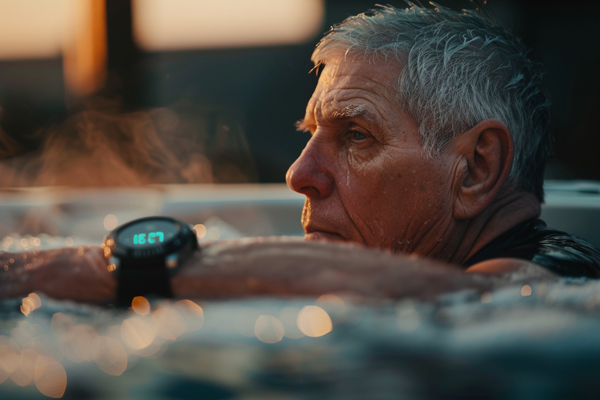
Limit hot tub sessions for seniors2 to 10–15 minutes to avoid dizziness or fatigue.
Recommended time limits:
| User Type | Safe Duration |
|---|---|
| Healthy seniors | 10–15 minutes |
| Heart condition users | 5–10 minutes |
| First-time users | 5 minutes or less |
I’ve seen some older clients assume longer soaks give more benefits. But in truth, the body’s core temperature rises quickly. Short sessions are better. Seniors can enjoy multiple short dips with breaks in between.
Set a timer. It helps seniors avoid losing track of time. Hydrating before and after also helps maintain balance. Moderation is key. The goal isn’t to stay long, but to feel better, not worse, after each soak.
Can Seniors with Heart Problems or High Blood Pressure Use a Hot Tub?
With doctor’s approval and safety limits, yes—but caution is critical.
Elderly people with heart conditions need medical advice before using hot tubs.

Risk comparison table:
| Heart Condition | Hot Tub Use Allowed? | Notes |
|---|---|---|
| Controlled hypertension | Yes, with limits | Keep sessions short and water cool |
| Heart failure | Often not recommended | Risk of stress and fainting |
| Irregular heartbeat | With caution | Monitor closely during use |
The hot water causes blood vessels to expand, which lowers blood pressure. For someone on medications, this effect may amplify, causing dizziness or fatigue. In some cases, seniors have fainted when standing up from the tub.
That’s why I always ask doctors to be involved. Personalized limits work better than general advice. With guidance, most seniors can enjoy hot tubs safely. Without it, they might risk their health for a few minutes of comfort.
Which Hot Tub Safety Features Are Most Important for Older Adults?
Proper design reduces the chance of injury or discomfort.
Look for hot tubs with sturdy handrails, non-slip steps, and easy digital controls.

Senior-friendly features:
| Feature | Why It Matters |
|---|---|
| Handrails | Support for entering and exiting safely |
| Non-slip flooring | Prevents slipping while moving |
| Easy-access steps | Reduces strain on knees and hips |
| Digital temperature control | Maintains consistent, safe heat |
| Wide seats | Adds comfort and stability during use |
I always recommend models designed with aging users in mind. Many hot tubs now come with senior features as standard. If not, I install handrails3 and anti-slip pads separately. These small upgrades make a big difference.
Safety shouldn’t rely only on personal caution. The right product design provides passive protection, which is ideal for seniors.
What Are the Best Times of Day for Seniors to Use a Hot Tub Safely?
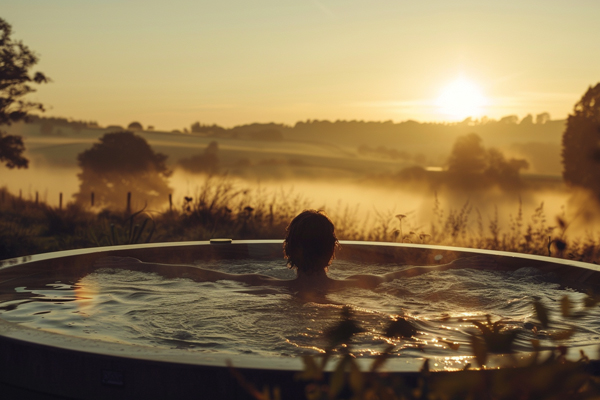
Early morning or early evening work best.
Avoid hot tubs during extreme temperatures; early day or before sunset is safer for seniors.
Recommended soaking times4:
| Time of Day | Safety Level | Notes |
|---|---|---|
| Early Morning | High | Body is rested, temperature cool |
| Midday | Low | Outdoor heat may add risk |
| Early Evening | High | Good time for relaxation |
| Late Night | Medium | Avoid if alone or sleepy |
Many seniors prefer evenings because it helps with sleep. That works well if the air isn’t too cold. Others like morning dips after a night’s rest. It wakes up the muscles.
I avoid midday sessions, especially outdoors. That’s when heat layers build—sun plus hot water isn’t a good mix for seniors.
Should Seniors Bathe Alone in a Hot Tub?
Not recommended, especially for those with health conditions or balance issues.
Elderly users should avoid bathing alone to reduce risk from falls or fainting.5

Supervision checklist:
| Situation | Supervision Needed? |
|---|---|
| Independent and healthy | Optional |
| Poor balance | Yes |
| Heart condition | Yes |
| Nighttime use | Strongly advised |
While some seniors are independent, I still prefer someone nearby, even if not visible. It could be a caregiver, spouse, or neighbor. The idea is quick help if needed.
Even waterproof emergency buttons are a great idea. I’ve helped install many for clients who live alone. They offer peace of mind without removing independence.
How Can Caregivers Help Ensure Hot Tub Safety for the Elderly?
Preparation, supervision, and follow-up are key tasks.
Caregivers can make hot tub use safe by preparing the tub and watching the user.

Caregiver safety role:
| Action | Description |
|---|---|
| Pre-checks | Check water temp, cleanliness, accessibility |
| Supervision | Monitor time, posture, signs of discomfort |
| Post-care | Help drying off, dressing, rehydrating |
| Emergency readiness | Have phone or help device nearby |
I always encourage caregivers to treat a hot tub like a supervised bath. Watch, but don’t overmanage. Allow dignity. Also, understanding the user's medical conditions helps know what signs to watch for.
Caregivers should talk openly with seniors before each session. Setting limits in advance prevents arguments or stress later. It's teamwork for wellness.
What Are the Best Hot Tub Designs for Senior-Friendly Access?
Look for wide, open seating and door-style entry tubs.
Hot tubs with low steps, built-in seats, and side doors suit seniors best.

Senior-access design options:
| Feature | Benefit |
|---|---|
| Side-door entry | No climbing needed |
| Bench-style seating | Easier to sit and stand up |
| Low-wall design | Makes entry and exit simple |
| Grab bars | Safe support inside the tub |
| Wide flat floor | Improves foot stability |
Some luxury tubs offer hydraulic lifts, but even budget tubs can be senior-friendly with added accessories. I often help clients add seating pads or steps that lock in place.
Making a hot tub accessible is not just a safety upgrade—it also encourages regular use, which boosts long-term wellness.
What Should Seniors Wear in a Hot Tub to Avoid Slipping or Infection?
Proper swimwear with grip soles and breathable fabric helps most.
Seniors should wear clean swimwear6 and water shoes to reduce slips and bacteria risk.

Clothing guide:
| Item | Purpose |
|---|---|
| Breathable swimwear | Prevents skin irritation |
| Water shoes | Prevents slipping |
| Shower before entry | Reduces bacteria in tub |
| Quick-dry towels | Helps avoid chills after soaking |
I always tell seniors to avoid loose clothes or cotton materials. They trap water and increase fall risk. Water shoes with grip soles make a huge difference on slick tub floors.
Hygiene is also a big concern. Clean clothes and clean skin before entering help keep the tub safe for everyone.
Are There Any Hot Tub Exercises Suitable for Elderly Users?
Yes, gentle stretches and light movements can improve flexibility and circulation.
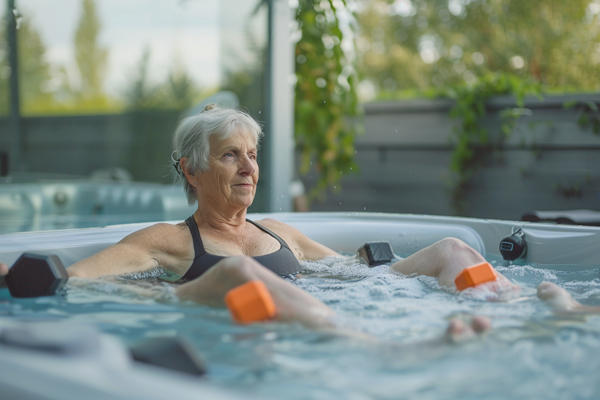
Safe hot tub exercises7 include arm circles, ankle rolls, and shoulder stretches for elderly users.
Gentle exercise ideas:
| Exercise | Benefit |
|---|---|
| Arm circles | Loosens shoulder joints |
| Leg lifts | Strengthens thighs and knees |
| Ankle rolls | Aids balance and foot mobility |
| Neck rotations | Reduces stiffness |
I often guide elderly clients through 5-minute movement routines. Warm water relaxes the muscles, making it easier to stretch without strain.
It’s important to move slowly, breathe steadily, and stop at any sign of pain. Hot tub workouts should refresh, not tire. Always combine with post-soak rest.
What Precautions Should Be Taken After a Hot Tub Session for Seniors?
Cool-down, hydration8, and avoiding sudden movements are essential.
After soaking, seniors should dry thoroughly, rest, and drink water to prevent fatigue.

After-care checklist:
| Action | Purpose |
|---|---|
| Towel dry completely | Prevent chills or infections |
| Hydrate | Replaces lost fluids |
| Sit down after exiting | Avoids dizziness from blood pressure shifts9 |
| Dress warmly | Protects body from sudden air exposure |
I’ve seen seniors stand up too quickly after soaking. It often causes a drop in blood pressure. That’s why I recommend sitting for a minute before walking away.
Hydrating after soaking is also important. Warm water causes sweating, even if it’s not visible. Replacing that fluid keeps the body in balance.
Conclusion
Hot tubs can offer seniors many health benefits if used correctly. It’s essential to manage temperature, time, and supervision. With the right precautions—and by choosing a senior-friendly swimming spa with stable seating, safe steps, and precise temperature control—older adults can enjoy wellness without unnecessary risk.I always stress personal health checks and caregiver support as the foundation for any safe hot tub routine. In the end, it’s about building comfort, safety, and independence all at once.
-
AARP: Hot Tubs and Low Blood Pressure – https://www.aarp.org/health/conditions-treatments/info-2021/hot-tubs.html ; ↩
-
Lifestyle Outdoor: Hot Tub Safety Tips for Seniors – https://www.lifestyleoutdoor.com/hot-tub-safety-tips-for-seniors-elderly/?srsltid=AfmBOopQBsyQfAqM3jJflsW91tb0-InHIfnZ8tSmcHwAjUWszxWrXnc4 ; ↩
-
Bullfrog Spas: Hot Tubs for Seniors – https://www.bullfrogspas.com/blog/hot-tubs-for-seniors/ ; ↩
-
Hydropool: Benefits of a Morning Soak – http://www.hydropoolhottubs.com/Learning-Centre/Blogs/What-Are-the-Benefits-of-a-Morning-Soak-in-Your-Hot-Tub ; ↩
-
AARP: Hot Tubs Safety – https://www.aarp.org/health/healthy-living/hot-tubs/ ; ↩
-
FixMyHotTub: Identify and Combat Hot Tub Bacteria – https://fixmyhottub.ca/identify-and-combat-hot-tub-bacteria/ ; ↩
-
Spa Stores: Easy Hot Tub Exercises and Stretches – https://www.spastores.com/easy-hot-tub-exercises-and-stretches-for-low-impact-fitness/ ; ↩
-
Healthline: Hot Tub Benefits and Risks – https://www.healthline.com/health/hot-tub-benefits ; ↩
-
Healthgrades: High Blood Pressure Risks with Hot Tubs and Saunas – https://resources.healthgrades.com/right-care/high-blood-pressure/high-blood-pressure-risks-with-hot-tubs-and-saunas ; ↩


