 Skip to content
 I felt overwhelmed by new cold plunge options, and I needed a simple way to compare them fast.
The best ice bath tub in 2026 depends on temperature control, material, filtration, insulation, and long-term durability for commercial or high-end home use.
This guide helps B2B buyers, wellness managers, and resort owners pick a cold plunge that fits their needs and avoids costly mistakes.
- Prioritize stable temperature control for consistent results
- Choose durable materials for long-term use
- Ensure a strong filtration system for hygiene and maintenance
- Consider insulation for performance and energy efficiency
- Match tub type to usage frequency and environment (resort, villa, gym)
Cold plunging is growing fast, but buyers often struggle to identify what truly matters. I focus on practical decision points to compare options quickly.
For commercial buyers and wellness managers, the best ice bath tubs in 2026 combine durable materials, stable temperature control, strong filtration, and insulation. Fixed stainless steel tubs with electric chillers provide long-term reliability and low maintenance.
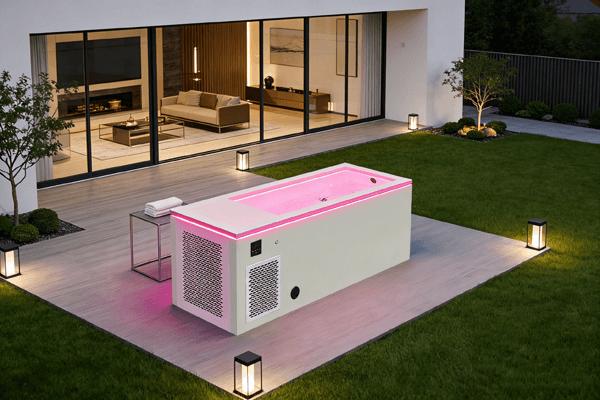
What Should You Know Before Buying an Ice Bath Tub?
Many buyers jump into cold plunges without understanding the basics and get confused or disappointed.
Cold plunge tubs work best when you understand benefits, limitations, and essential safety factors before choosing a model.
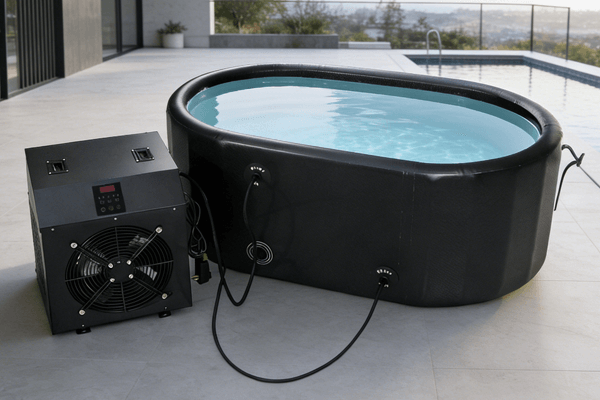
From my experience, I found that understanding how cold exposure affects people differently is key. Below are the core ideas that guided my decisions when testing models for wellness clients.
For a medical overview, see Cold Plunge After Workouts1.
What Health Benefits Can Cold Plunging Offer?
Cold plunging can support muscle recovery, reduce inflammation, improve mental clarity, and lower stress.
I observed that pairing a cold plunge with a Holie sauna boosts circulation and energy for many clients.
Quick Bullet Summary of Benefits:
- Muscle recovery: Reduces soreness after heavy training
- Mental focus: Sharpens alertness; short sessions work best
- Stress relief: Consistency matters more than duration
- Inflammation control: Results vary per person
From my experience, consistent short sessions deliver the best results. Cold exposure is a stimulus, not a replacement for sleep, diet, or therapy. See more at Huberman Lab2.
Who Should Use an Ice Bath Tub?
Cold plunges are not for everyone. Consult a doctor if you have heart conditions, low blood pressure, circulation issues, or are pregnant.
Healthy adults can tolerate short sessions. Beginners should start slowly. I always recommend monitoring shivering and exiting if discomfort is high.
What Temperature Is Ideal?
- Beginners: 10–15°C (50–59°F)
- Advanced/Athletes: 3–8°C (37–46°F)
I noticed using a sauna before the plunge makes the transition smoother for new users. A hot-cold cycle enhances comfort and circulation. See Cold Plunge Temperature Time Benefits3 for more details.
Choosing the Right Ice Bath Tub for Resorts, Gyms, and Villas
Most ice baths fall into three categories: portable, fixed, and advanced chiller systems.
From my experience, choosing the right 2026 cold plunge tub ensures long-term durability and optimal results for resorts, gyms, and villas.
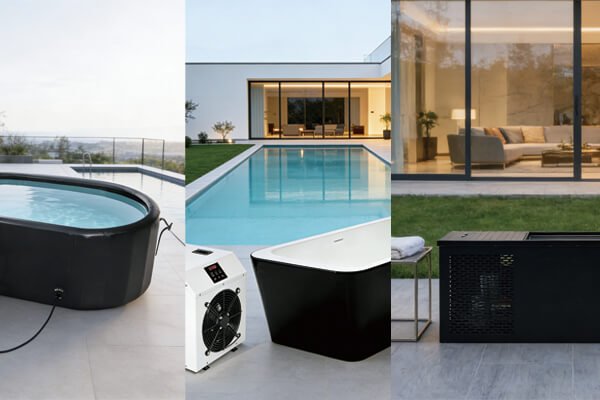
Portable, Inflatable, and Fixed Tubs
- Portable: Light, low-cost, beginner-friendly; shorter lifespan
- Inflatable: More comfort, moderate insulation; warms faster
- Fixed tubs: Stainless steel or hard plastic; high durability, ideal for gyms, hotels, and resorts
From my experience, usage frequency determines the right choice. Resorts and gyms usually invest in fixed stainless steel tubs for longevity. The best ice bath tub for commercial use often comes with built-in chillers and filtration for hygiene and energy efficiency.
Top Ice Bath Tub Models for Commercial & Home Use
Below are my top picks for 2026 cold plunge tub solutions for both commercial and high-end home use.
Size and Material Considerations
Size and material affect comfort and cold retention.
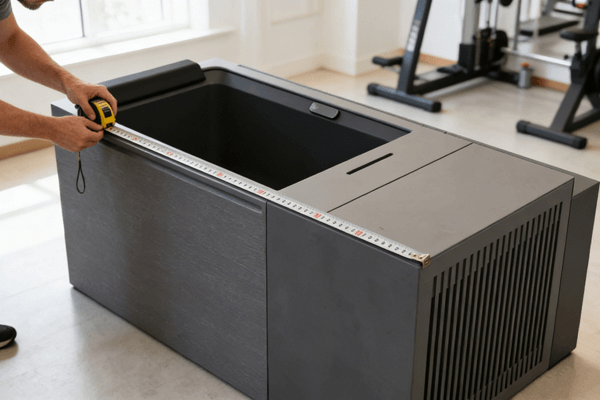
- Home: 70–90 cm width; space-saving
- Gym: 100–120 cm width; supports multiple users
- Resort/Hotel: 120–150 cm width; premium comfort
Stainless steel lasts longest, retains cold, and feels premium. Plastic is lighter but loses heat faster. Inflatable tubs are casual-use only. See What Size Tub Do You Need4.
Key Features to Consider
Features impact long-term satisfaction more than initial cost.
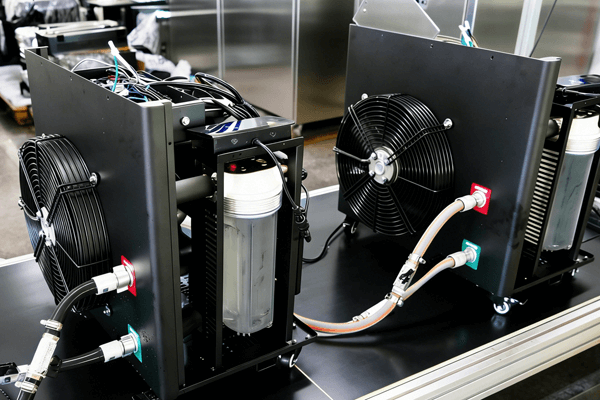
- Filtration: Maintains water hygiene and longevity
- Insulation & Lid: Reduces energy use, maintains temperature, keeps contaminants out
- Built-in Chiller: Exact temperature control; cost-effective for daily use
See How Ice Baths Work – Chillers & Filters5 for full technical details.
Cost Expectations
- Basic portable tubs: Low price
- Mid-range plastic tubs: Moderate price
- Premium stainless steel with chiller: Highest price
Ongoing costs: electricity, filters, cleaning agents. Proper insulation lowers long-term expenses.

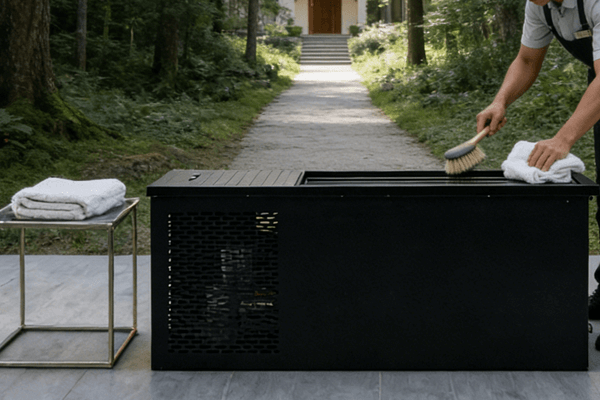
Maintenance and Cleaning
Clean water is essential for safety and enjoyment.
- Change water every 2–4 days without filtration, or 2–3 weeks with filtration
- Use non-toxic, non-foaming cleaners; avoid bleach
- Filtration prolongs water life and reduces chiller energy use
More guidance: How to Keep Ice Bath Water Clean6
Safety Tips
- Beginners: 1–2 min, Intermediate: 2–5 min, Advanced: 5–8 min
- Monitor for shivering, numbness, dizziness, or chest tightness
- Exit immediately if warning signs appear
More info: Ice Bath Duration Guidelines7
Recommended Models
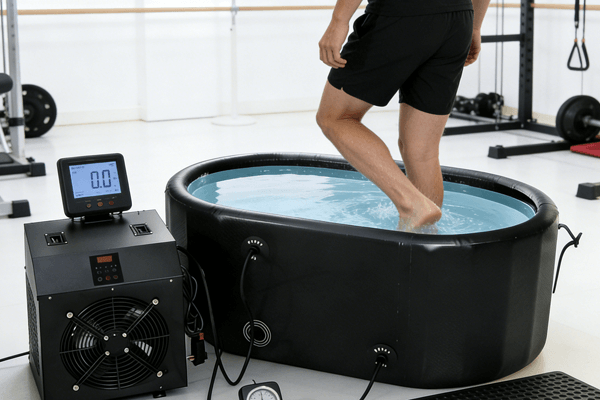
Top tubs feature:
- Reliable chiller
- Thick insulation
- Stainless steel interior
- Strong filtration
- Comfortable depth

Daily users and commercial buyers get the best value from premium tubs. Occasional users save with portable tubs.
Installation Guide
- Flat, sturdy surface
- Nearby drain
- Ventilated room or outdoor space
- Protect floors from moisture
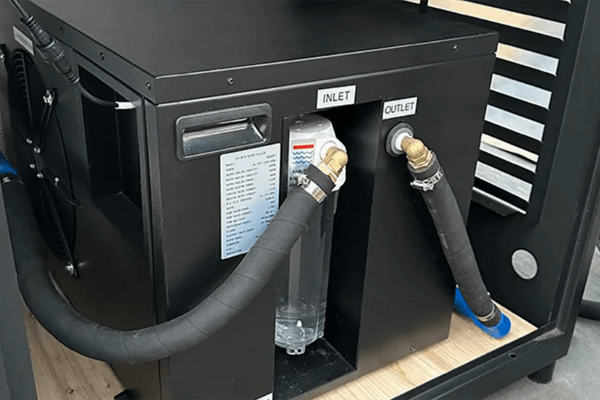
Winterize outdoor tubs: drain, dry, cover, and store chiller indoors.
Ice Bath vs Sauna for Recovery
- Cold plunge: Reduces inflammation
- Sauna: Improves circulation and relaxation
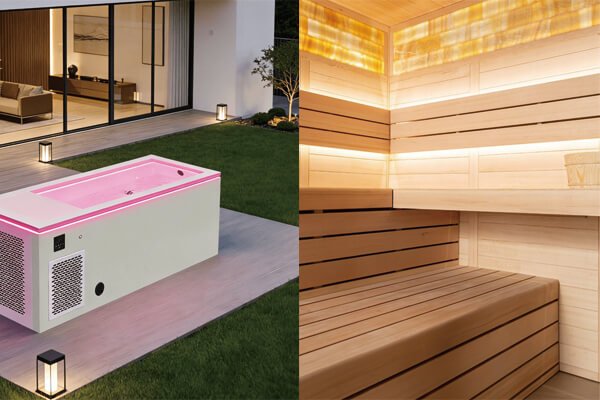
Combining Holie sauna and cold plunge enhances circulation and energy.
DIY vs Professional Systems
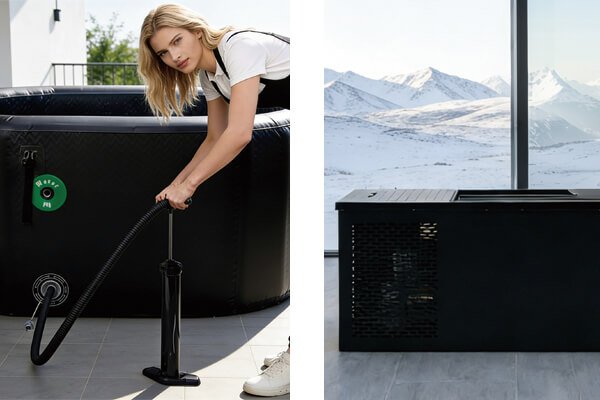
DIY may look cheaper but often fails in insulation, hygiene, and safety.
Professional tubs avoid electrical risks, last longer, and maintain stable temperatures.
FAQs
- Portable tub lifespan: months to a few years
- Effect on inflammation & recovery: Yes, consistent use matters
- Salt/additives: Only safe for specific materials
- Safety for seniors/women: Short sessions are fine; consult a doctor for health issues
Conclusion
Selecting the right ice bath tub means understanding how materials, durability, insulation, chiller, filtration, and safety features work together.
This guide clarified differences between portable, inflatable, and compressor-chilled systems, helping buyers match their goals, usage, climate, and budget.
With proper understanding of temperature control, maintenance, hygiene, and real health benefits, B2B buyers can confidently invest in a cold plunge tub that performs reliably, lasts long, and enhances wellness experiences.
-
Cold Plunge After Workouts – https://www.mayoclinichealthsystem.org/hometown-health/speaking-of-health/cold-plunge-after-workouts ↩
-
The Science and Use of Cold Exposure – https://www.hubermanlab.com/newsletter/the-science-and-use-of-cold-exposure-for-health-and-performance ↩
-
Cold Plunge Temperature Time Benefits – https://coldture.com/en-us/blogs/news/cold-plunge-termperature-time-benefits ↩
-
What Size Tub Do You Need – https://zenwavewellness.com/ice-baths/what-size-tub-do-you-need/ ↩
-
How Ice Baths Work Chillers Filters and More – https://havenofheat.com/blogs/ice-bath-guides/how-ice-baths-work-chillers-filters-and-more ↩
-
How to Keep Ice Bath Water Clean – https://chilltubs.com/how-to-keep-ice-bath-water-clean/ ↩
-
How Long Should You Stay in an Ice Bath – https://myrecoverylab.ca/how-long-should-you-stay-in-an-ice-bath-for-maximum-benefits/ ↩


