 Skip to content
 Many buyers worry that an ice bath chiller runs at full power all day, which can feel intimidating before making a purchase. Fortunately, these chillers operate in predictable cooling cycles, keeping energy use and monthly operating costs lower than expected.
For reliable equipment options and long-term performance, check out our professional Ice Bath Chiller solutions on Holiechina to compare models, specifications, and energy-efficient features.
Cold therapy is popular, but some users hesitate after seeing electricity bills rise or unclear cost details. Ice bath chillers use electricity in clear, measurable patterns. The real operating costs depend on power rating, usage habits, insulation, and maintenance—not marketing estimates or guesswork.
Understanding how electricity consumption actually works helps buyers avoid overestimating expenses and make confident, informed purchasing decisions.
How Much Electricity Does an Ice Bath Chiller Really Use?
Many buyers assume an ice bath chiller runs at full power all day, which can create unnecessary concern before purchase. In reality, an ice bath chiller1 only consumes electricity during active cooling cycles and short maintenance runs. Daily energy use is usually much lower than the peak wattage listed by manufacturers, making costs predictable and easier to manage.
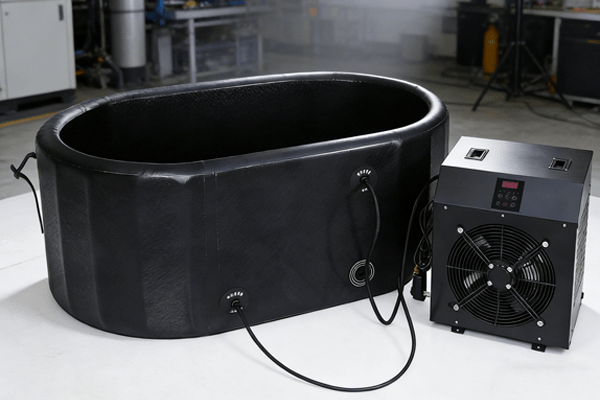
From my experience discussing specifications with factories and project buyers, electricity usage2 is often overestimated. Compressors work in cycles. Once the target temperature is reached, the system rests until heat enters the water again. Power usage depends on real conditions, not marketing numbers.
Cold therapy background reference: cold therapy3
Community discussion on real operating costs: operating costs
What determines real electricity consumption4?
Several factors work together and decide how much electricity is actually used.
| Factor | Influence Level | Practical Meaning |
|---|---|---|
| Compressor power | High | Larger units draw more power |
| Water volume | Medium | More water needs more energy |
| Target temperature | High | Lower temperatures increase runtime |
| Ambient temperature | High | Warm air increases heat gain |
| Insulation quality | Medium | Poor insulation wastes energy |
Typical daily electricity usage5 example
For a 300-liter ice bath used once per day, I often see these patterns in real projects. Initial cooling takes about two hours. Maintenance cycles are short. Daily consumption usually stays between 3 and 6 kWh. This is far lower than many buyers expect.
Electricity labels often show peak wattage only. That number reflects the maximum load, not daily reality. This misunderstanding causes unnecessary concern.
What Are the Average Operating Costs of an Ice Bath Chiller?
Operating cost matters more than purchase price over time, especially for regular users.
Most ice bath chillers cost between USD 15 and USD 60 per month to operate, depending on electricity rates and usage frequency.
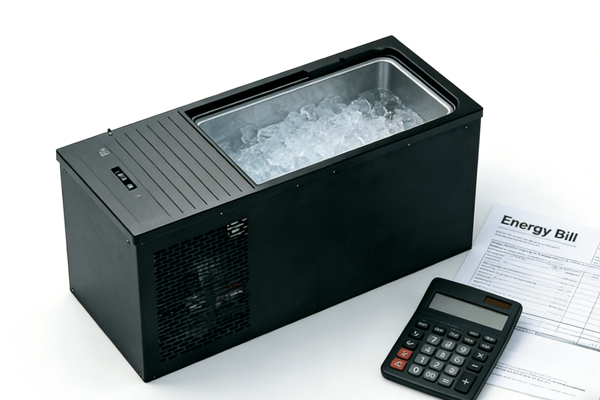
I always calculate operating costs using simple numbers instead of brand promises. Electricity prices vary by region, but the calculation method stays the same and helps buyers stay realistic.
Monthly cost calculation example
Assume a chiller uses 5 kWh per day and local electricity costs USD 0.15 per kWh.
| Item | Value |
|---|---|
| Daily electricity cost | USD 0.75 |
| Monthly cost (30 days) | USD 22.50 |
| Annual cost | USD 270 |
This example matches many real installations I have reviewed. It also explains why many commercial users switch from ice to chillers after the first season.
Home use versus commercial use
Home users run chillers less often but may face more temperature swings. Commercial users operate more frequently but achieve better efficiency through stable settings. In both cases, costs stay predictable and easier to control than ice purchasing.
How Does Ice Bath Chiller Electricity Usage Compare to Ice?
Ice feels cheap at first, but repeated use tells a different story.
Over time, electricity-powered ice bath chillers are usually cheaper than buying ice regularly.
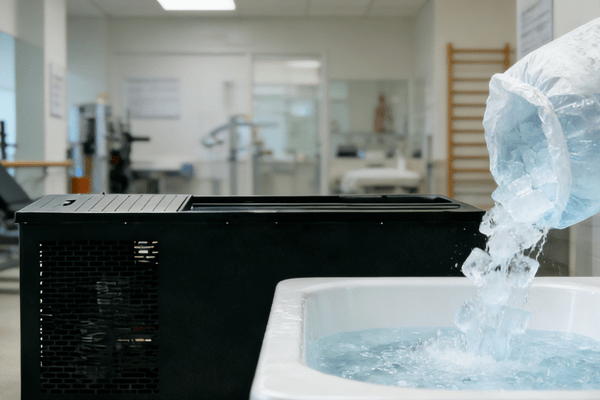
I have spoken with spa managers who tracked both methods for months. Ice costs add up fast once usage becomes routine.
Cost comparison per session
| Cooling Method | Cost per Session | Key Notes |
|---|---|---|
| Bagged ice6 | USD 10–30 | Depends on volume and temperature |
| Ice bath chiller | USD 0.50–1.50 | Electricity only |
Other practical differences
Ice requires storage, transport, and labor. It also creates plastic waste7 and inconsistent water temperature. Chillers reduce these problems by delivering stable performance with less daily effort. From a business view, this saves time and stress, not just money.
Why Are Some Ice Bath Chillers More Energy Efficient Than Others?
Two chillers with similar power ratings can behave very differently.
Energy efficiency depends on design details, not only compressor size.
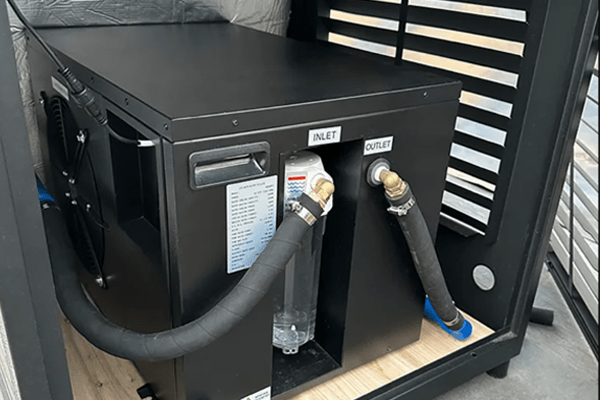
During factory visits and technical reviews, I often see efficiency losses caused by weak insulation or outdated control systems. These flaws increase runtime and electricity bills.
Key design features that improve efficiency
| Feature | Effect on Energy Use |
|---|---|
| Thick insulation8 | Reduces heat absorption |
| Variable-speed compressor | Avoids power spikes |
| High-quality heat exchanger | Improves cooling transfer |
| Smart temperature control | Prevents overcooling |
Why low-cost units often cost more later
Cheaper systems often use fixed-speed compressors and thin insulation. They run longer and fail sooner. This increases both electricity use and maintenance costs. For long-term users, efficiency becomes more valuable than a low entry price.
At HOLIE, I focus on balanced systems designed for steady operation rather than extreme short-term performance.
How Long Does It Take for an Ice Bath Chiller to Cool Water?
Cooling speed affects convenience, electricity use, and user habits.
Most ice bath chillers cool water from ambient temperature to 5–10°C within 1 to 3 hours.
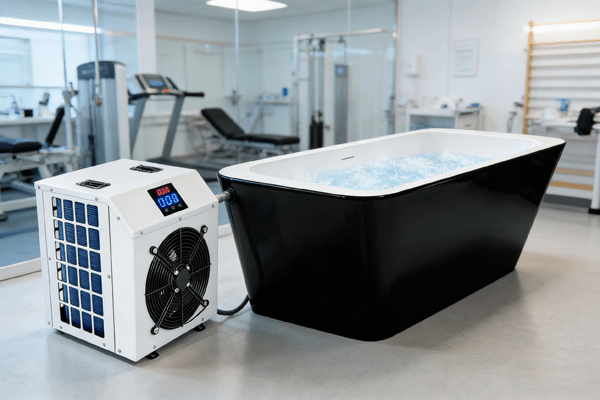
Cooling time depends on starting water temperature, chiller power, and insulation quality. Faster cooling is not always better if it causes energy waste.
Typical cooling time by system size
| Chiller Size | 300L Water | Usage Type |
|---|---|---|
| 1 HP | 2.5–3 hours | Home use |
| 1.5 HP | 1.5–2 hours | Balanced |
| 2 HP | 1–1.5 hours | Commercial |
Why gradual cooling saves energy
I often advise users to cool water during off-hours or overnight. Gradual cooling reduces compressor strain and lowers electricity peaks. This habit improves system lifespan and cost control.
What Are the Hidden Costs of Using an Ice Bath Chiller?
Electricity is only one part of total ownership cost.
Hidden costs include maintenance, water treatment, and occasional part replacement.
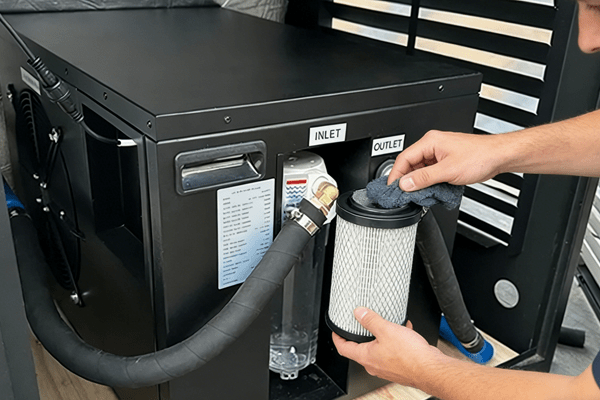
These costs are predictable and manageable when planned correctly. Ignoring them causes sudden expenses later.
Common hidden operating expenses
| Item | Frequency | Cost Impact |
|---|---|---|
| Filter replacement | Every 3–6 months | Low |
| Water treatment | Monthly | Low |
| Pump servicing | Annual | Medium |
| Sensor replacement | Rare | Low |
Why maintenance lowers total cost9
Clean systems cool faster and run shorter cycles. Dirty systems work harder and consume more electricity. Preventive care always costs less than emergency repair.
How Can You Reduce the Operating Costs of Your Ice Bath Chiller?
Lower operating cost does not require reduced performance.
Simple habits can reduce electricity usage by 20–40%.
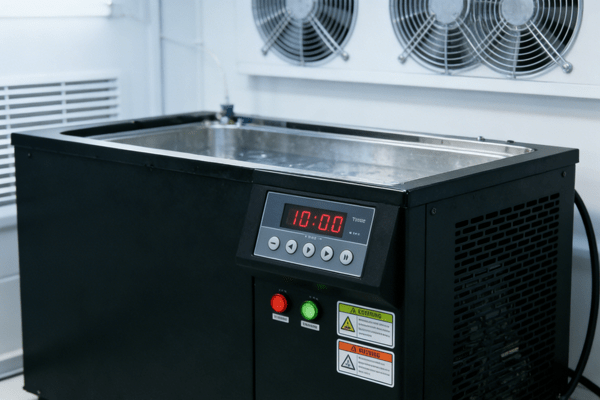
I share these steps with wellness operators managing multiple units.
Practical cost reduction methods
- Use insulated thermal covers
- Avoid extreme temperature settings
- Reduce full drain cycles
- Place units away from direct sun
- Schedule cooling during off-peak hours
Cost-saving impact overview
| Action | Cost Reduction Level |
|---|---|
| Thermal cover10 | High |
| Smart scheduling | Medium |
| Correct placement | Medium |
| Regular cleaning | Medium |
These changes require little effort and deliver steady savings.
Is an Ice Bath Chiller Worth the Investment for Regular Use?
This question ties together all cost discussions.
For regular users, an ice bath chiller provides predictable costs, stable performance, and long-term savings.
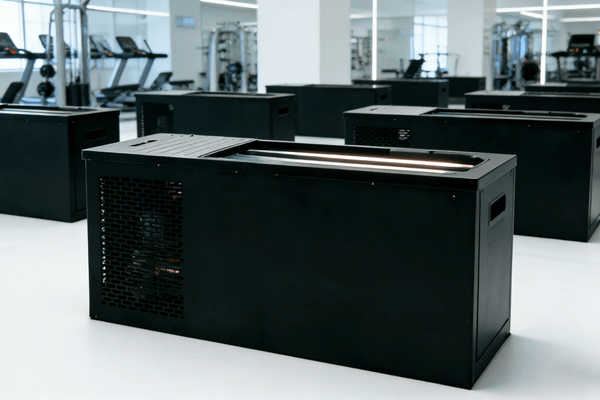
From my experience supplying wellness projects, chillers reduce labor stress and cost uncertainty. They also improve user experience through consistent temperature control.
Who benefits most from owning a chiller?
| User Type | Value Level |
|---|---|
| Athletes | Very high |
| Wellness centers | Very high |
| Hotels and resorts | High |
| Occasional home users | Medium |
Long-term investment view
When used weekly or daily, chillers recover their cost through lower recurring expenses and operational simplicity. This is why many professional buyers now specify chillers during project planning rather than as an upgrade later.
At HOLIE, I see growing demand from buyers who want controlled operating costs and reliable cold therapy solutions.
Conclusion
Ice bath chillers do consume electricity, but the real costs are stable, measurable, and often lower than expected. When compared with ice, chillers reduce long-term expenses, labor effort, and waste. Electricity usage depends on design quality, insulation, and usage habits rather than simple power ratings. With proper maintenance and smart operation, an ice bath chiller becomes a predictable and efficient investment for regular users in both home and commercial settings.
-
Electricity consumption and operating costs of using an ice bath chiller – https://syochi.com/electricity-consumption-and-operating-costs-of-using-an-ice-bath-chiller/ ↩
-
Air conditioner wattage explained – https://www.lennox.com/residential/lennox-life/consumer/air-conditioner-wattage ↩
-
Cold plunge after workouts – https://www.mayoclinichealthsystem.org/hometown-health/speaking-of-health/cold-plunge-after-workouts ↩
-
Use of energy in homes – https://www.eia.gov/energyexplained/use-of-energy/homes.php ↩
-
Estimating appliance and home electronic energy use – https://www.energy.gov/energysaver/estimating-appliance-and-home-electronic-energy-use ↩
-
Bagged ice pricing impacts – https://quickandpure.com/how-pricing-hikes-from-conventional-dsd-bagged-ice-suppliers-fall-to-c-store-owners-and-customers/ ↩
-
Impacts of plastic pollution – https://www.epa.gov/plastics/impacts-plastic-pollution ↩
-
Insulation energy saver guide – https://www.energy.gov/energysaver/insulation ↩
-
Maintenance costs and operations – https://limble.com/learn/maintenance-operations/costs/ ↩
-
Swimming pool covers energy saver – https://www.energy.gov/energysaver/swimming-pool-covers ↩


