 Skip to content
 From my experience helping clients choose wellness setups, I’ve seen many get frustrated trying to pick between a steam room and a sauna. I usually guide them based on their health goals and lifestyle. The wrong choice often leads to discomfort and wasted investment.
A steam room and a sauna both use heat, but they affect the body in very different ways. Understanding these differences helps people choose the right solution for long-term wellness and safe daily use.
This guide will explain the differences step by step, helping you make a clear decision for home, spa, or commercial wellness projects.
What Is the Difference Between a Steam Room and a Sauna?
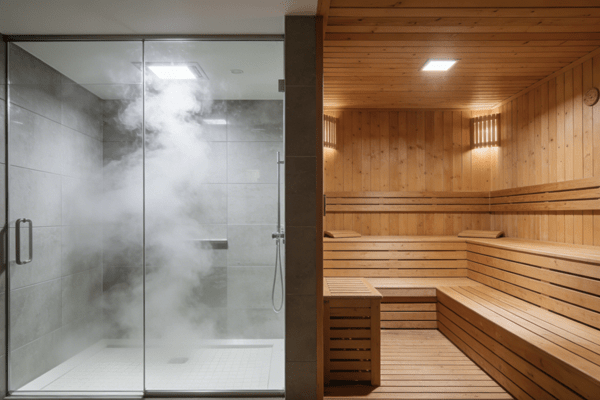
Buyers think steam rooms and saunas work the same way. This misunderstanding often causes poor user experience and wrong installation planning.
The main difference lies in how heat and moisture interact with the body. This changes how the skin, lungs, and heart respond during use.
How Does a Steam Room Work Compared to a Sauna?
A steam room uses a steam generator to boil water and release vapor into a sealed space. Humidity stays close to 100 percent. Temperature usually stays between 40 and 50 degrees Celsius.
A sauna uses a heater to warm dry air and surfaces. Traditional saunas use electric or wood heaters. Infrared sauna heat the body directly without heating air.
| Item | Steam Room | Sauna |
|---|---|---|
| Heat type | Moist heat | Dry heat |
| Humidity | Very high | Very low |
| Typical temperature | 40–50°C | 70–100°C |
Is the Main Difference Heat or Humidity?
Humidity changes how heat feels on the body. Moist air slows sweat evaporation. This makes heat stay on the skin longer.
Dry air allows sweat to evaporate fast. This makes the body cool itself differently. This is why a sauna often feels hotter even when exposure time is shorter.
Steam Room vs Sauna: Which Feels Hotter and Why?
A sauna usually feels hotter because dry heat pulls moisture from the skin quickly. This triggers heavy sweating.
A steam room feels gentler at first. Over time, high humidity can feel intense because heat cannot escape easily from the skin.
Are Steam Rooms or Saunas Better for Your Health?
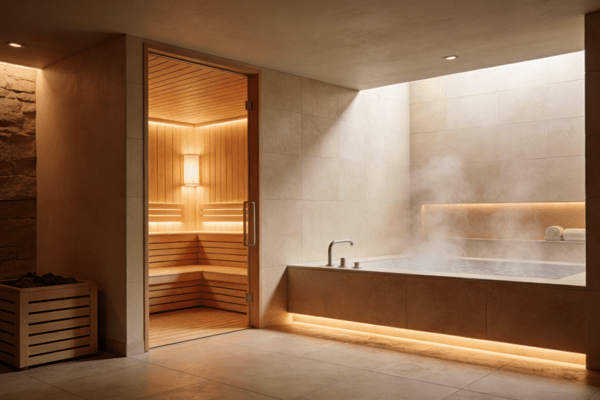
Health benefits are the main reason people invest in wellness facilities. The best choice depends on how the body handles heat and moisture.
Both options support wellness, but they focus on different systems inside the body.
What Are the Health Benefits of Using a Steam Room?
Steam rooms support breathing comfort1. Warm vapor helps open nasal passages and airways. This can ease congestion and throat dryness.
Moist heat also relaxes muscles and joints. Many users feel less stiffness after short sessions.
What Are the Proven Health Benefits of Saunas?
Saunas increase heart rate in a controlled way. This supports cardiovascular conditioning2.
Heat exposure improves circulation. Blood vessels expand, which helps oxygen delivery and recovery.
Do Steam Rooms and Saunas Improve Circulation and Detoxification?
Both systems increase blood flow through heat stress. This supports tissue recovery.
Sweating removes small amounts of waste. However, detox mainly happens through the liver and kidneys.
| Benefit | Steam Room | Sauna |
|---|---|---|
| Circulation | Moderate | Strong |
| Respiratory comfort | High | Low |
| Cardiovascular load | Low | Higher |
Which Is Better for Your Skin: Steam Room or Sauna?

Skin response depends heavily on moisture exposure and sweat behavior.
Different skin types react better to different environments.
Is a Steam Room Better for Skin Hydration and Acne?
Steam rooms3 help hydrate the outer skin layer. Moist air reduces water loss.
Steam opens pores, which helps release trapped oil and dirt. This can support acne-prone skin4 when hygiene is controlled.
Can Saunas Help With Skin Aging and Elasticity?
Saunas increase blood flow to the skin. This supports nutrient delivery.
Regular sauna use may support skin firmness when hydration is maintained after sessions.
Steam Room vs Sauna for Skin: Which Dermatologists Prefer?
For me, clients with dry skin often notice more immediate hydration benefits in steam rooms, while those with oily skin feel better results in saunas. I usually recommend trying both briefly to see which feels more comfortable.
Skin care routines after use matter more than the heat method alone.
Steam Room vs Sauna for Muscle Recovery and Pain Relief
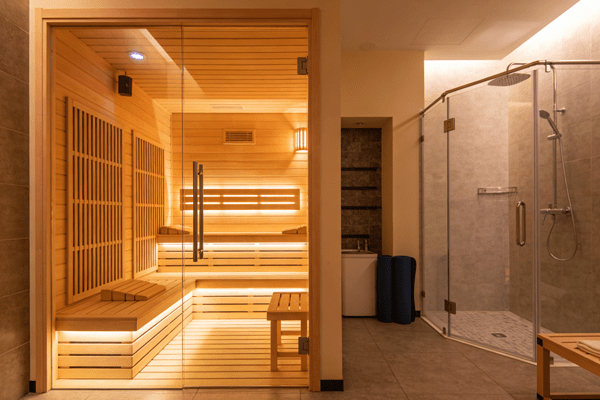
Recovery is a major focus for athletes and active users.
Heat helps muscles relax and improves circulation.
Which Is Better for Muscle Recovery After Exercise?
Saunas raise core temperature quickly. This improves blood flow to muscles5.
Steam rooms relax muscles gently. This works well for light recovery days.
Can Steam Rooms or Saunas Reduce Joint Pain and Stiffness?
Moist heat helps joint flexibility. This makes steam rooms popular for arthritis comfort.
Dry heat supports pain relief through endorphin release.
| Condition | Steam Room | Sauna |
|---|---|---|
| Muscle stiffness | Good | Very good |
| Joint comfort | Very good | Good |
Do Athletes Prefer Saunas or Steam Rooms for Recovery?
Professional athletes often choose saunas6 for intense recovery.
Casual users often prefer steam rooms7 for comfort and breathing ease.
Which Burns More Calories: Steam Room or Sauna8?
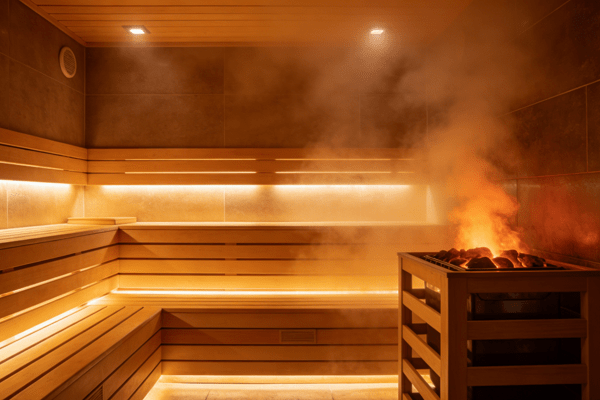
Weight loss claims often cause confusion.
Heat exposure affects body weight short term, not fat mass.
Can You Lose Weight in a Steam Room9 or Sauna?
Weight loss after sessions mainly comes from water loss.
This weight returns after rehydration.
Is Sweating in a Sauna Better Than a Steam Room for Fat Loss?
Saunas raise heart rate more. This slightly increases calorie burn.
The difference remains small and not suitable for fat loss alone.
Do Steam Rooms or Saunas Really Help With Weight Loss?
They support recovery and stress reduction. This helps maintain healthy routines.
They should not be marketed as weight loss tools10.
Is a Steam Room or Sauna Safer to Use?
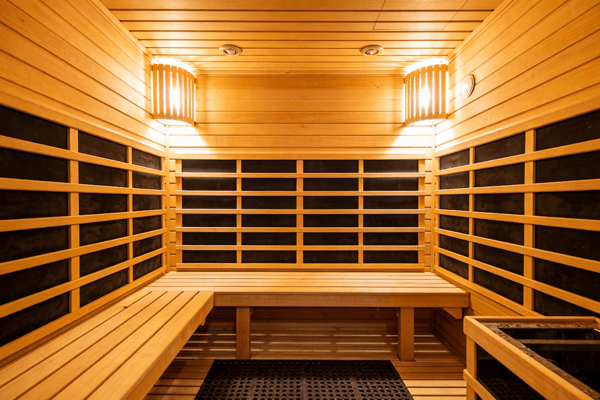
Safety matters for homes and commercial spaces.
Clear guidelines reduce health risks.
Are Steam Rooms Safe for Daily Use?
Steam rooms are safe with short sessions and hydration.
Sessions usually stay under 20 minutes.
Who Should Avoid Using a Sauna or Steam Room?
People with heart conditions should seek medical advice.
Alcohol use before sessions increases risk.
Steam Room vs Sauna: Which Is Better for Heart Health?
Saunas provide stronger cardiovascular stimulation.
Steam rooms offer gentler exposure for sensitive users.
Which One Should You Choose for Home or Commercial Use?
In my point of view, choosing a reliable commercial sauna manufacturer can save you months of hassle and unexpected costs. I always advise clients to prioritize durability and compliance over initial price. For hotels, gyms, and wellness centers, working with an experienced commercial sauna manufacturing partner helps ensure compliance with safety standards, stable heat performance, and reliable long-term operation.
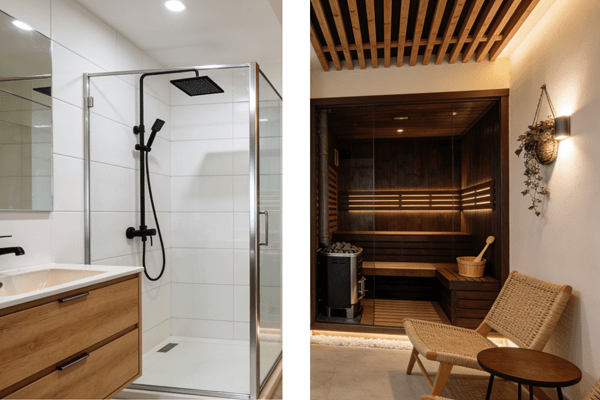
Is a Steam Room or Sauna Better for Home Installation?
Sauna are easier to install and maintain.
Steam rooms require full waterproofing and drainage.
Which Is More Cost-Effective: Steam Room or Sauna?
Saunas have lower maintenance costs.
Steam rooms consume more water and power.
| Aspect | Steam Room | Sauna |
|---|---|---|
| Installation | Complex | Simple |
| Maintenance | Higher | Lower |
What Do Wellness Centers and Spas Prefer: Sauna or Steam Room?
Most choose both to serve wider user needs.
HOLIE often supplies combined solutions for hotels and resorts.
Steam Room vs Sauna: Which One Is Right for You?
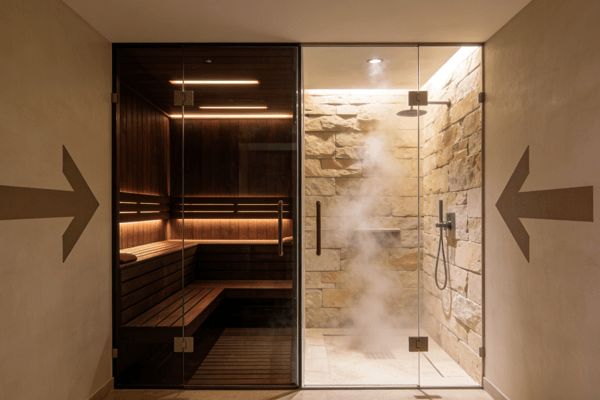
The right choice depends on comfort and usage habits.
Personal preference matters.
How Do You Decide Between a Steam Room and a Sauna?
Choose steam for moist heat and breathing comfort.
Choose sauna for intense heat and fast sweating.
Should You Choose a Steam Room, Sauna, or Both?
Homes usually need one system.
Commercial projects often benefit from both.
Frequently Asked Questions About Steam Rooms and Saunas(FAQ)
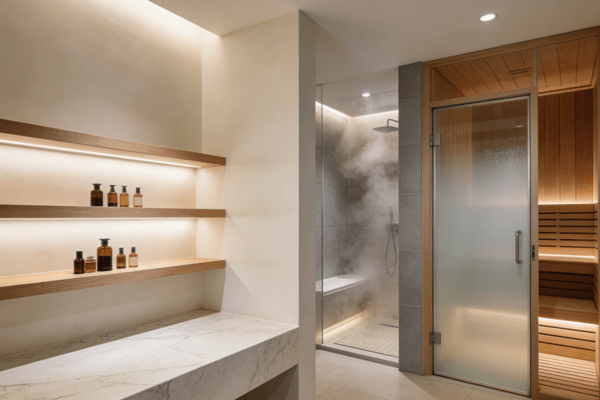
Clear answers help users feel confident.
Can You Use a Steam Room and Sauna on the Same Day?
Yes, with short sessions and rest time.
Hydration is essential.
How Long Should You Stay in a Steam Room or Sauna?
Steam sessions last 10 to 20 minutes.
Sauna sessions last 10 to 15 minutes.
Is a Steam Room or Sauna Better for Stress and Sleep?
Both reduce stress.
Saunas may support deeper sleep through body temperature regulation.
Conclusion
Based on what I had seen over the years, most people benefit from using both systems at different times. Personally, I recommend starting with your primary goal—moisture for skin or intense heat for muscle recovery—and then adjusting based on how your body responds. The best choice depends on heat preference, safety needs, installation conditions, and long-term wellness goals for home or commercial use.
-
Benefits of Steam Sauna for Sinuses and Breathing – https://hyper-cool.com/en/blog/Benefits%20of%20Steam%20Sauna%20for%20Sinuses%20and%20Breathing:%20A%20Natural%20Solution%20to%20Boost%20Respiratory%20Health/a-292229249?srsltid=AfmBOoozbtQGhIIbTGs_cQ0viTcFTIGdqVhNe3rB7RylzuqlBUDI-pQA ↩
-
Cardiovascular Conditioning – https://my.clevelandclinic.org/health/articles/24754-cardiovascular-endurance ↩
-
Steam Room Benefits for Skin – https://www.geysersteamroom.com/blogs/health-wellness/steam-room-benefits-for-skin?srsltid=AfmBOoriu-CcK9-k_trG3nXet_d1ugYUy-I5X0OuMtxebqIsbjwVuAZ- ↩
-
Steam Rooms and Acne-Prone Skin – https://blog.mrsteam.com/steam-away-acne-clear-skin-naturally ↩
-
Blood Flow to Muscles – https://pmc.ncbi.nlm.nih.gov/articles/PMC4559999/ ↩
-
Saunas for Athletes – https://www.si.com/everyday-athlete/training/4-science-backed-reasons-athletes-can-use-saunas-for-performance-and-longevity ↩
-
Steam Rooms for Comfort and Breathing – https://blog.mrsteam.com/40-benefits-of-steam-bathing ↩
-
Sauna and Weight Loss – https://chillygoattubs.com/blogs/cold-tubs/saunas-weight-loss?srsltid=AfmBOor198Z6BnMPf1fVQZhoBsoyfxhL_fbVTfa6TfaOGLYopEkVhTzy ↩
-
Steam Room Weight Loss Benefits – https://www.verywellhealth.com/benefits-of-steam-room-8418539 ↩
-
Steam Rooms and Saunas Are Not Weight Loss Tools – https://www.healthline.com/health/steam-room-benefits ↩


