Skip to content
 When a cold begins, discomfort often increases quickly. I often notice that when I catch a cold, a warm bath immediately eases my body tension. From my experience, I find that this simple habit gives me temporary comfort even if it doesn’t cure the cold itself.
Traditional hot baths may reduce certain discomforts associated with colds, but they do not treat the infection itself. Their usefulness depends mainly on water temperature, hydration level, and individual health conditions.
Warmth can support relaxation and temporary symptom relief. However, incorrect bathing habits may quietly worsen fatigue, dehydration, or fever symptoms. Understanding when a hot bath helps—and when it does not—is essential for safe recovery.
Hot baths work primarily as a comfort tool. In my sight, they ease my congestion, help me relax, and reduce chills without fever, but they should never replace rest, fluids, or medical care when symptoms worsen.
Many people assume warmth always helps during illness. In reality, heat affects different cold symptoms in different ways. Some symptoms improve briefly, while others remain unchanged.
Do Hot Baths Actually Help With Cold Symptoms?
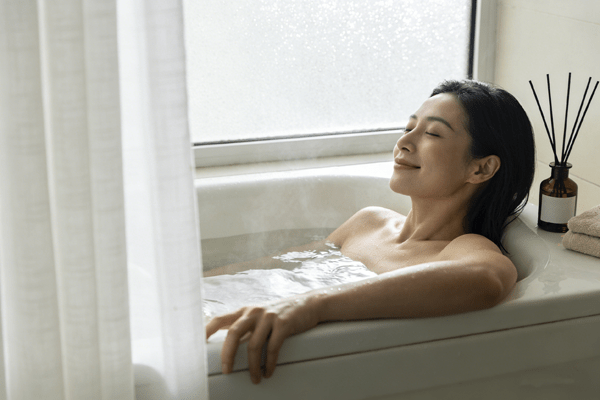
From my personal experience and feedback from our wellness team, a short hot bath usually helps me breathe easier and feel more relaxed. I’ve found that timing and temperature control really matter—too hot or too long can leave me more tired than before.
When my body feels heavy and sore during a cold, heat feels natural. Still, different symptoms react to warmth in very different ways.
Hot baths may ease physical discomfort linked to colds, but the effects remain short-term and symptom-specific. I personally find that a short, controlled bath helps me the most.
Congestion & Sinus Pressure1
Warm water and steam can loosen thick mucus inside the nasal passages. This is why breathing often feels easier during or immediately after bathing.
Steam increases airway moisture, helping thin nasal secretions and allowing temporary drainage. Relief usually lasts minutes rather than hours.
| Aspect | Effect |
|---|---|
| Steam exposure | Temporary breathing relief |
| Sinus inflammation | Not reduced |
| Illness duration | Unchanged |
Hot baths2 can support comfort, but they should not be treated as a solution.
Additional medical reference: detox bath for cold3.
I usually fill the bathroom with steam for 5–10 minutes and notice my nasal passages feel clearer immediately. In my experience, even a brief soak helps me get through work or sleep better that day, though it’s never a cure.
Muscle Aches & Fatigue
Muscle pain during a cold is often caused by immune response and body tension. Heat helps muscles relax by increasing circulation.
Short warm baths may reduce stiffness, especially around the neck and back. However, heat does not restore energy or shorten recovery time. Long baths may actually increase exhaustion.
| Symptom | Heat Response |
|---|---|
| Muscle stiffness4 | Reduced |
| Joint soreness | Mild relief |
| Fatigue | No improvement |
Comfort improves, but recovery speed remains unchanged.
From my own experience, I’ve tried long baths when I had body aches, and I realized that short, warm baths work best. Overdoing it often made me feel drained rather than relieved.
Chills Without Fever
Chills without fever5 usually come from circulation changes rather than overheating.
Warm water sends calming signals to the nervous system, often stopping shivering and improving comfort.
If chills are caused by fever, hot baths may worsen the condition. Body temperature should always be checked before bathing.
| Condition | Hot Bath Effect |
|---|---|
| Chills, no fever | Comforting |
| Chills with fever | Unsafe |
Medical context:
Cold symptoms themselves are not cured by bathing. Evidence-based treatment guidance can be reviewed here:
cold-related discomforts6.
When I have chills without fever, I prefer to soak my feet first. This small change keeps me warm without raising my whole body temperature too much.
So, Should You Take a Hot Bath When You Have a Cold?
This question deserves a careful answer.
A hot bath may be taken during a cold only when there is no fever, hydration is adequate, and weakness is minimal.
From my experience working with wellness products like steam showers and soaking systems, heat works best when controlled. A bath should support rest, not challenge the body. If symptoms shift quickly, heat should be avoided.
In our wellness team, we always recommend checking hydration and energy levels before a bath. I can say from experience: a controlled, brief bath is far more relaxing than long sessions or very hot water, which often leave me lightheaded.
When Is It Actually Okay to Take a Hot Bath With a Cold?
A hot bath can be acceptable only under specific conditions:
- No fever present: Body temperature should be normal. Heat combined with fever increases dehydration risk.
- Mild symptoms only: Light congestion, chills without fever, or mild fatigue.
- Adequate hydration: Water should be consumed before and after bathing.
- Short duration: The bath should be warm and brief, not excessively hot.
If dizziness, rapid heartbeat, or increasing weakness occurs, the bath should be stopped immediately. The purpose is comfort and relaxation, not forcing the body to sweat out the cold.
When Hot Baths Can Make a Cold Worse?
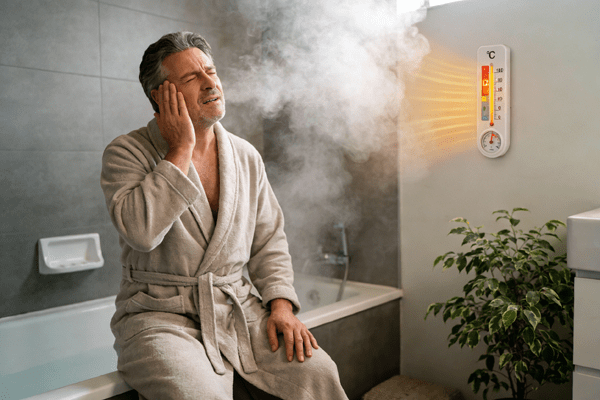
Heat can quietly increase stress on an already tired body.
Hot baths may worsen cold symptoms7 when fever, dehydration, or circulation problems are present.
If You Have a Fever
Fever means the body is already overheated.
Adding external heat raises core temperature further. This increases strain on the heart and nervous system. Symptoms such as weakness or confusion may intensify.
| Fever Status | Bath Safety |
|---|---|
| No fever | Usually safe |
| Mild fever | Risky |
| High fever | Avoid |
Risk of Dehydration8
Illness reduces fluid intake. Heat increases sweat loss.
Hot water accelerates dehydration faster than many people expect. Headache and dizziness often follow.
| Factor | Effect |
|---|---|
| Sweating | Fluid loss |
| Reduced drinking | Dehydration risk |
Dizziness or Blood Pressure Issues
Heat causes blood vessels to expand.
Blood pressure may drop quickly after standing. This increases fall risk, especially in enclosed bathrooms.
| Risk Group | Concern |
|---|---|
| Low blood pressure | Fainting |
| Medication users | Interaction risk |
Before Taking a Hot Bath: What to Check First?
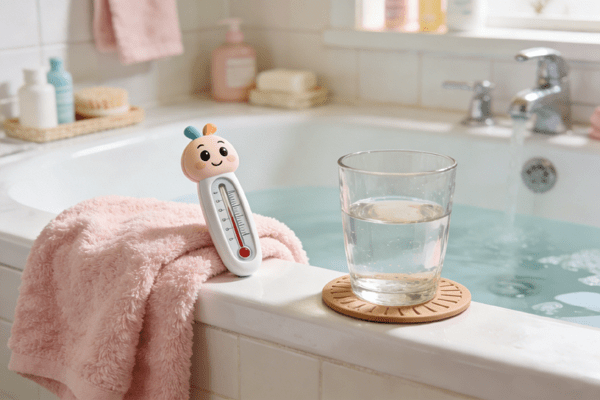
Preparation reduces risk more than people realize.
A brief self-check helps prevent heat-related problems during illness.
I always make a quick checklist for myself: temperature, hydration, and weakness. Over the years, I’ve learned that ignoring even one factor can turn a relaxing bath into a risky experience.
Check Your Body Temperature
Use a thermometer if possible. Guessing often fails.
| Reading | Action |
|---|---|
| Normal | Proceed carefully |
| Elevated | Avoid |
Make Sure You Are Well Hydrated
Drink water before entering the bath.
| Hydration Status | Recommendation |
|---|---|
| Adequate | Safer |
| Uncertain | Drink first |
Assess Weakness, Dizziness, or Nausea
Early signals matter.
| Symptom | Decision |
|---|---|
| None | Possible |
| Present | Avoid |
Ideal Hot Bath Temperature and Duration (Safety Guide)?
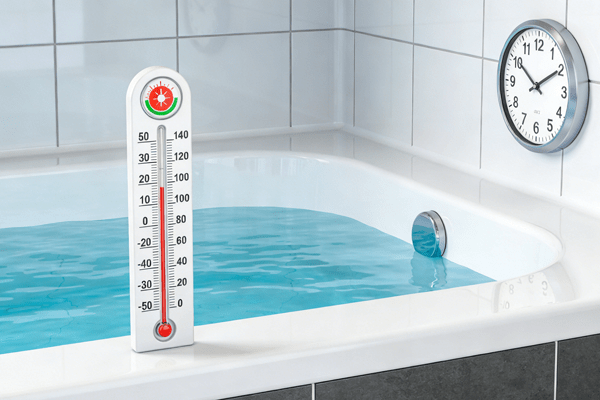
Control matters more than intensity.
Moderate temperature9 and limited duration provide comfort without overload.
Recommended Temperature Range10
| Level | Celsius | Fahrenheit |
|---|---|---|
| Safe | 37–40°C | 98–104°F |
Maximum Duration per Session
| Session | Time |
|---|---|
| Maximum | 15–20 minutes |
How Often You Can Take a Hot Bath
| Frequency | Advice |
|---|---|
| Once daily | Acceptable |
| Multiple times | Avoid |
Signs You Should Stop Immediately
| Sign | Action |
|---|---|
| Dizziness | Exit |
| Rapid heartbeat | Exit |
| Nausea | Exit |
Who Should Avoid Hot Baths When Sick?
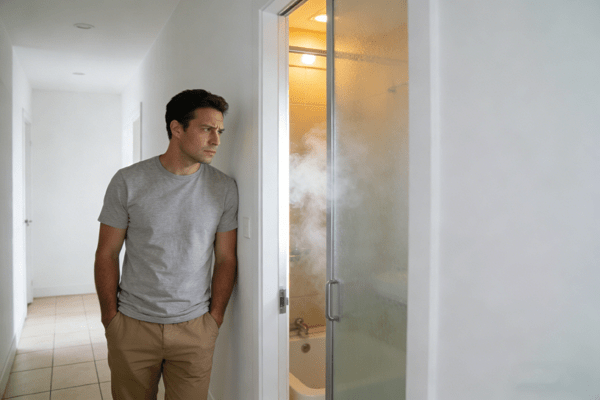
Some groups face higher risk from heat exposure.
Individual health factors strongly affect hot bath safety during illness.
Children
Children regulate heat poorly.
| Risk | Reason |
|---|---|
| Overheating | Immature control |
Seniors
Balance and circulation decline with age.
| Risk | Reason |
|---|---|
| Falls | Blood pressure drop |
People with Heart Conditions
Heat increases cardiovascular load.
| Condition | Concern |
|---|---|
| Heart disease | Added strain |
Pregnant Individuals
| Risk | Impact |
|---|---|
| Overheating | Avoid |
People with Respiratory Conditions
| Condition | Effect |
|---|---|
| Asthma | Steam irritation |
Hot Bath vs Shower vs Sauna — Which Is Safer During a Cold?
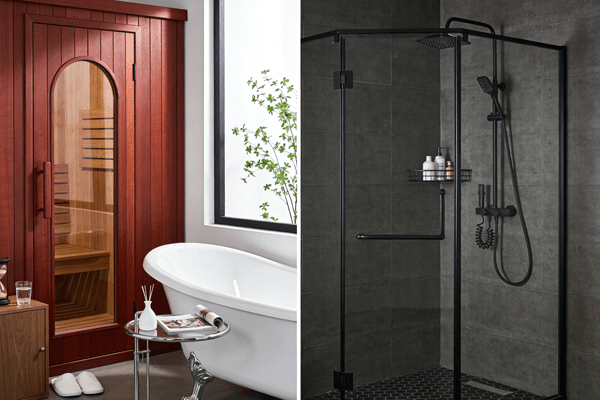
Different heat methods carry different risks.
Warm showers are generally safer than hot baths or saunas during a cold.
Personally I will switch to warm showers when I feel slightly weak. In our team trials, showers consistently caused fewer dizziness episodes than hot baths, especially when someone had mild fatigue or congestion.
Hot Baths
| Aspect | Assessment |
|---|---|
| Comfort | High |
| Control | Low |
Warm Showers
| Aspect | Assessment |
|---|---|
| Comfort | Moderate |
| Safety | Higher |
Saunas and Steam Rooms
| Aspect | Assessment |
|---|---|
| Heat intensity | High |
| Cold safety | Low |
At HOLIE, we design wellness products with precise controls, but illness still requires restraint.
Safer Alternatives to Hot Baths for Cold Relief?
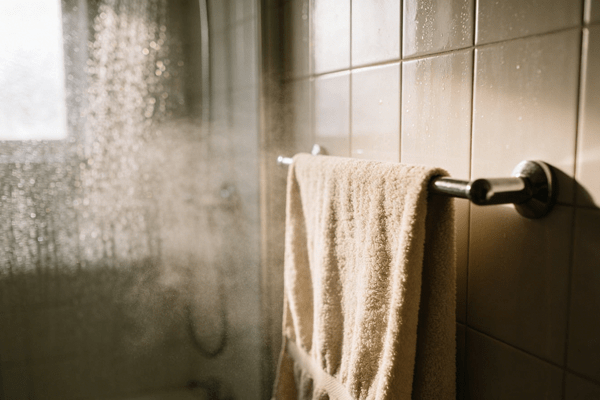
Gentle methods often support recovery better.
Low-intensity warmth combined with rest is often more effective.
Warm Showers
Steam helps breathing without full immersion.
Steam Inhalation
| Method | Benefit |
|---|---|
| Bowl steam | Focused relief |
Hydration and Rest
| Action | Benefit |
|---|---|
| Fluids | Immune support |
| Sleep | Recovery |
Final Safety Summary
From my daily experience and team feedback, respecting body signals—temperature, hydration, and energy—is key. I’ve seen even regular bath lovers feel worse if they ignore these basics.
When Hot Baths May Help
Hot baths may help with muscle tension, chills without fever, and short-term comfort when hydration is good and sessions are brief.
When Hot Baths Should Be Avoided
They should be avoided during fever, dizziness, dehydration, pregnancy, heart conditions, or respiratory sensitivity.
Key Safety Rules to Remember
Always check body temperature, limit duration, stay hydrated, and stop immediately if discomfort appears.
-
Why steam helps clear congestion – https://charlestonent.com/why-does-steam-help-clear-congestion/ ↩
-
Hot tub benefits for common cold comfort – https://sevenseaspools.com/blog/4-ways-a-hot-tub-helps-you-fight-the-common-cold ↩
-
Detox bath for cold symptoms – https://www.medicalnewstoday.com/articles/detox-bath-for-cold ↩
-
Why the body aches during illness – https://www.uclahealth.org/news/article/why-your-whole-body-aches-when-youre-sick-and-what-you-can-do-about-it ↩
-
Chills without fever explained – https://www.healthline.com/health/chills-without-fever ↩
-
Common cold remedies and symptom relief – https://www.mayoclinic.org/diseases-conditions/common-cold/in-depth/cold-remedies/art-20046403 ↩
-
Common cold symptoms overview – https://my.clevelandclinic.org/health/diseases/12342-common-cold ↩
-
Dehydration symptoms and causes – https://www.mayoclinic.org/diseases-conditions/dehydration/symptoms-causes/syc-20354086 ↩
-
Ideal bath temperature guide – https://www.kohlerwalkinbath.com/blog/everything-you-need-to-know-about-the-ideal-bath-temperature/ ↩
-
Ideal bath water temperature recommendations – https://www.givingtreehome.com/blogs/news/ideal-bath-water-temperature-for-different-groups-of-people?srsltid=AfmBOooh2N8J8lDhAK8V0KnAqMag8xq8jZY0NfcfTB5JarPpG-yuFUoB ↩