 Skip to content
 Quick Takeaways:
Sauna use may create small, short-term changes in testosterone, but there is no strong evidence of long-term hormone increase. Its real value lies in improving circulation, reducing stress, and supporting recovery. This guide explains the science clearly for wellness buyers, spa developers, and commercial projects.
This article is based on publicly available research from PubMed, NIH, and clinical institutions. It does not replace medical advice. Always consult a qualified healthcare professional for diagnosis or treatment decisions.
Quick Answer: Does Sauna Increase Testosterone?
No — sauna does not significantly increase testosterone.
However, it improves circulation, reduces stress, and supports recovery, which can indirectly improve energy and physical performance.
Sauna and Testosterone: Myth vs Reality
| Claim | Reality |
|---|---|
| Sauna significantly boosts testosterone | Limited and short-term effect |
| Sauna improves blood circulation | Yes, strongly supported |
| Sauna reduces stress hormones | Yes, well supported |
| Sauna directly increases libido | Indirect effect only |
This comparison is based on current clinical research and widely accepted medical understanding.
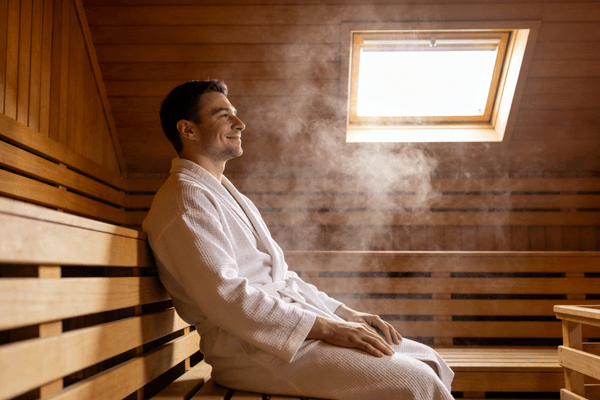
Does Sauna Actually Increase Testosterone Levels?
Sauna exposure may lead to small and temporary increases in testosterone, but the effect is not strong or consistent enough to be considered a reliable method.
- Short-term heat exposure may trigger mild hormonal response
- Results vary based on temperature, duration, and individual health
- No evidence supports long-term testosterone increase
- Not a replacement for medical or hormonal treatment

Research from PubMed1 shows that heat exposure can slightly influence hormone levels, but the changes are temporary.
From my experience working with wellness projects, I observed that users often feel more energized after sauna sessions. This perceived energy increase is often mistaken for a hormonal boost.
Why Do People Feel More Energized After Sauna Use?
The “boost” feeling after sauna use is real, but it is mainly caused by circulation and nervous system effects, not testosterone.
- Increased blood flow improves oxygen delivery
- Muscle relaxation reduces physical fatigue
- Heat exposure activates recovery processes
- Endorphin release improves mood

According to Cleveland Clinic2, sauna use supports cardiovascular function and relaxation, which explains the improved physical state.
In my projects, I noticed that users consistently describe a “lighter and clearer” feeling after sessions. This effect often leads to better overall confidence and well-being.
Does Sauna Improve Blood Flow and Physical Performance?
Yes, improved circulation is one of the most scientifically supported benefits of sauna use.
- Heat expands blood vessels (vasodilation)
- Circulation improves throughout the body
- Warm skin increases sensitivity
- Muscle relaxation improves comfort
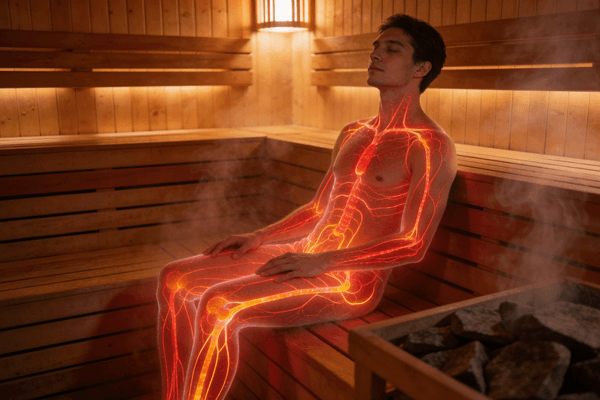
Studies referenced by NIH3 show that heat exposure improves vascular function, which is essential for physical performance and recovery.
From my experience, better circulation is the real reason users report improved physical responsiveness, not hormone changes.
Can Sauna Reduce Stress and Indirectly Support Hormone Balance?
Yes, stress reduction is one of the strongest indirect benefits of sauna use.
- Lowers cortisol (stress hormone)
- Calms the nervous system
- Improves mental clarity
- Supports hormonal balance indirectly

High stress levels are directly linked to reduced testosterone and libido. By lowering stress, sauna helps create a better internal environment for hormone stability.
During a commercial spa installation, I noticed that relaxation-focused sauna areas were used more frequently than fitness zones. Users consistently reported better mood and reduced tension.
Infrared vs Traditional Sauna: Which Is Better for Hormone Support?
Both sauna types support recovery and relaxation, but they differ in heat delivery.
- Infrared sauna: deeper, gentler heat penetration
- Traditional sauna: higher air temperature and stronger sweating
- Both improve circulation and relaxation
- User comfort determines consistency
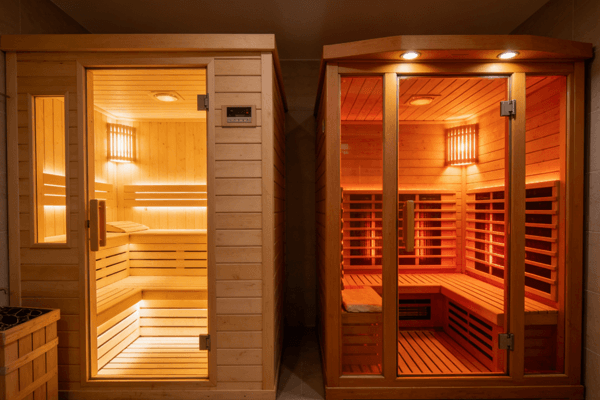
Learn more about infrared vs traditional sauna4 to choose the right system for your project.
From my experience, European projects prefer traditional saunas, while North American buyers often select infrared for comfort. Both deliver similar indirect benefits.
How Often Should You Use Sauna for Best Results?
Consistency is more important than intensity when using sauna for recovery and wellness.
- 2–3 sessions per week is ideal
- Each session lasts 10–15 minutes
- Hydration is essential
- Gradual adaptation improves safety

In my experience, users who maintain a consistent routine report better long-term results than those who use sauna occasionally.
When Should Sauna NOT Be Used for Hormone or Health Goals?
Sauna is not suitable for everyone, especially without medical advice.
- People with heart conditions should consult a doctor
- Individuals with heat sensitivity should be cautious
- Dehydration risks must be managed
- Not suitable as a medical treatment
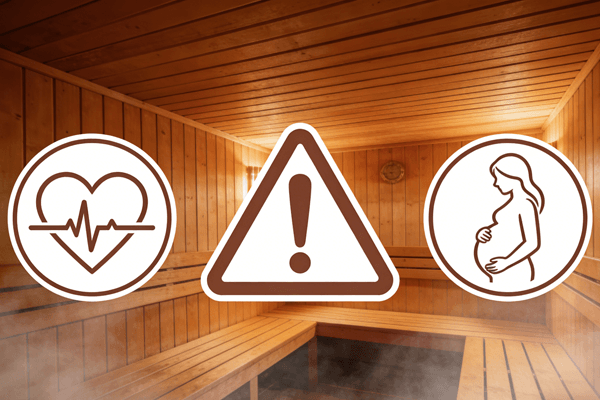
According to medical guidance, safety should always come before performance or wellness goals.
Internal Resources for Sauna Buyers and Projects
- Explore full sauna benefits for wellness design
- Compare steam vs sauna for project planning
- Learn about commercial sauna solutions for large-scale installations
Conclusion: Is Sauna a Real Testosterone Booster?
Sauna does not significantly increase testosterone, but it improves the conditions that support overall physical and mental performance.
- Circulation improves
- Stress decreases
- Recovery becomes more efficient
- Energy perception increases
These combined effects explain why users often feel better after sauna sessions.
From a commercial perspective, sauna should be positioned as a holistic wellness solution, not a hormonal treatment. This positioning aligns better with scientific evidence and user expectations.
For wellness brands, resorts, and project buyers, sauna systems remain a valuable investment because they deliver consistent, proven benefits that enhance user experience.
For professional wellness projects, sauna should be positioned as a recovery and relaxation solution rather than a hormone or medical treatment. This positioning aligns better with scientific evidence and long-term user expectations.
FAQ (Schema Ready)
Does sauna increase testosterone permanently?
No. Current research shows only short-term and mild increases.
Is sauna good for male hormones?
Sauna supports overall balance but does not directly boost hormones significantly.
Can sauna improve libido?
Indirectly, yes. It improves stress, circulation, and relaxation.
How long should a sauna session be?
10–15 minutes per session is recommended for most users.
-
Sauna and Hormone Response Study – https://pubmed.ncbi.nlm.nih.gov/3788622/ ↩
-
Sauna Benefits for Heart and Health – https://health.clevelandclinic.org/sauna-benefits ↩
-
Effects of Sauna Bathing on Cardiovascular Function – https://www.ncbi.nlm.nih.gov/pmc/articles/PMC5941775/ ↩
-
Infrared vs Traditional Sauna Comparison – https://holiechina.com/hammam-or-sauna-which-is-the-best-choice-for-you/ ↩


