...

What Are the Essential Dos and Don’ts When Installing a Sauna at Home?

Guide showing essential dos and don'ts for safe sauna installation

I face many worries when I plan a sauna project, and these worries often stop me from taking action. I want to solve these issues step by step. I work toward a clear plan so I can install a safe and long-lasting sauna.

A home sauna installation1 needs careful planning, correct materials, and safe wiring to work well and stay durable. It also needs proper ventilation and moisture control2 to avoid long-term damage.

I will learn each key step so I do not fall into common mistakes and so I can enjoy a reliable sauna experience at home.

What Should You Consider Before Installing a Sauna at Home?

I often feel confused when I think about the many choices for sauna installation, and this confusion slows my progress. I need a simple roadmap so I can start with confidence. I want to avoid risks, delays, and wasted money.

The main things to think about include power supply3, space size, moisture control, and local rules4. These points guide the planning process and reduce unexpected problems.

Home sauna installation preparation tools and planning process

I explore each factor with a calm and practical mindset. I check the room size, the heat load, the wiring route, and the moisture level. I also think about whether a Holie prefab sauna or a custom unit fits my room. These steps help me stay organized and avoid stress.

Key Planning Factors

Factor Why It Matters
Power capacity Ensures safe heater operation
Room moisture level Prevents mold or structural damage
Available space Determines sauna type and layout
Local regulations Avoids legal issues
Budget range Keeps the project on track

How Do You Choose the Right Location for a Sauna Installation?

I sometimes spend too long deciding on the location because I fear future moisture issues. I want a place that stays safe and dry. I want a setup that lasts many years.

The best sauna locations are dry rooms with stable temperatures and proper ventilation. Basements, spare rooms, and large bathrooms are common choices.

Selecting the best location for a home sauna installation

I compare different spaces in my home. I look at wall structure, flooring strength, and access to power. I also check how the room handles humidity. A stable and dry area helps the sauna stay in good shape for a long time.

Location Checklist

Requirement Description
Moisture stability5 The room should not trap humidity
Airflow6 Some natural ventilation is helpful
Power access Heater wiring should reach safely
Room height At least 210–240 cm is ideal

What Type of Sauna Is Best for Your Home Setup?

I often hesitate because there are too many sauna types. I want to choose the one that fits my home and my habits. I want something easy to maintain.

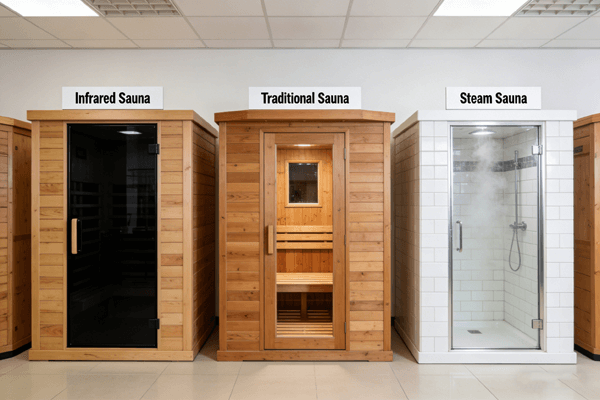
Homeowners often choose between traditional saunas7, infrared saunas, and hybrid saunas. Each type has different heat levels and installation needs.

Comparison of multiple sauna types for homeowners to choose

I compare sauna types calmly. Traditional saunas offer strong heat and steam, while infrared saunas8 offer gentle warmth with low energy use. Holie supplies both types in compact and large formats. When I know my comfort style, I can choose the right sauna.

Sauna Type Comparison

Type Heat Style Installation Needs Ideal For
Traditional High air heat Strong power & ventilation Classic experience
Infrared Direct body heat Simple wiring Low-energy comfort
Hybrid Both systems Higher cost Mixed preference

What Are the Key Dos for a Safe Sauna Installation?

I sometimes feel nervous about safety rules. I do not want hidden risks inside my home. I want to follow clear steps so I can relax during use.

The main dos include proper wiring9, correct ventilation, quality insulation, and the use of heat-safe materials. These steps protect the sauna and the user.

Safety dos illustrated for proper and secure sauna installation

I install only certified heaters. I maintain correct spacing from walls. I use wood boards rated for high temperatures. Holie saunas are designed with safe gaps and heatproof materials, which helps me stay confident.

Safety Dos

Task Purpose
Hire a certified electrician Safe heater wiring
Use non-toxic sauna wood Prevent fumes
Install correct ventilation10 Avoid trapped heat
Seal moisture points Prevent water damage

What Common Mistakes Should You Avoid When Installing a Sauna?

I want to avoid mistakes that ruin the sauna structure. I also want to avoid repeated repairs. I want a clean and stable installation.

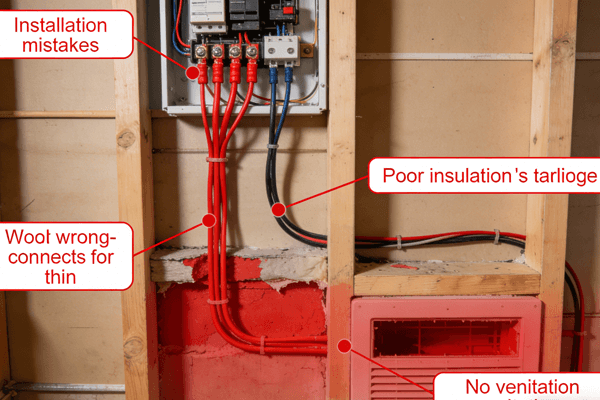
Common mistakes include weak insulation11, poor air control, wrong heater size12, and improper wiring. These issues lower efficiency and cause long-term damage.

Common mistakes people make during sauna installation at home

I take time to plan before building. I avoid random material choices. I always match the heater size with the room volume. Holie provides heater-room matching charts, which help me avoid guesswork.

Common Installation Mistakes

Mistake Result
No vapor barrier Moisture leaks
Wrong heater power Uneven heat
Cheap insulation Heat loss
No drainage plan Water pooling

Why Is Proper Ventilation13 Critical for Sauna Performance?

I worry about trapped heat and stale air. I want a sauna that feels fresh and safe every time I use it. Good ventilation also protects the structure.

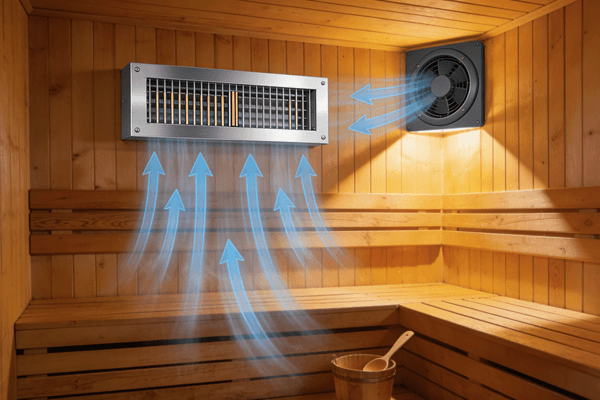
Ventilation moves fresh air inside the sauna and releases hot air and moisture. This stabilizes temperature and improves comfort.

Importance of correct ventilation system in a home sauna

I check that air enters near the heater and exits near the ceiling. This airflow pattern keeps oxygen levels steady and removes moist air. Holie saunas follow this pattern in all models.

Ventilation Points

Component Function
Air inlet Supplies fresh air14
Air outlet Releases moisture
Heated airflow cycle Controls temperature

Do You Need a Professional Electrician for Sauna Wiring?

I sometimes think I can save money by doing wiring myself, but I worry about safety risks. I want to follow the safest method.

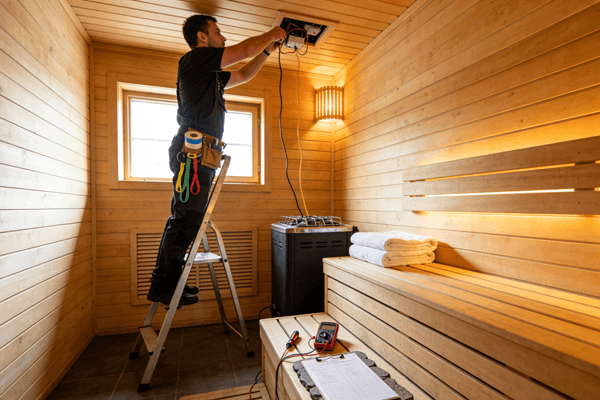
A licensed electrician15 is required for wiring because sauna heaters need high-power circuits and correct grounding.

Professional electrician wiring and ensuring safe sauna power setup

I look at the heater manual and local codes. I let a professional handle the wiring to avoid fire hazards. Holie heaters include wiring diagrams that electricians can follow.

Wiring Needs

Requirement Reason
Dedicated circuit Prevent overload
Ground-fault protection16 Avoid electric shock
Correct wiring size Handle high power

How Do You Prepare the Walls, Floors, and Insulation for a Sauna?

I want the sauna to hold heat well. I do not want cold spots or moisture leaks. I prepare each surface carefully.

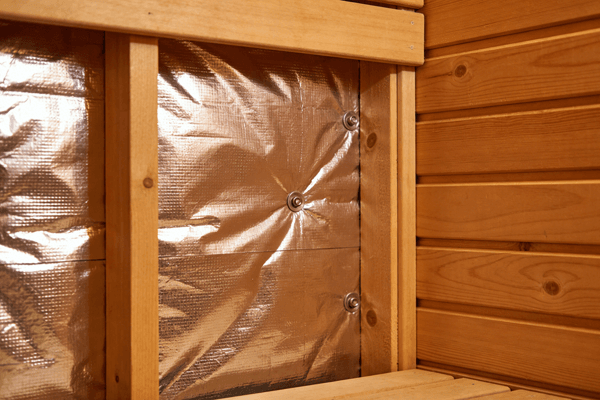
Walls need insulation, foil vapor barriers17, and heat-safe interior cladding. Floors need non-slip and moisture-resistant materials18.

Construction preparation steps required before building a sauna

I add insulation between studs. I place foil barriers facing inward. I finish with cedar or hemlock panels. For floors, I choose tiles or treated wood. Holie prefab units include these layers already, which saves time.

Preparation Layers

Layer Purpose
Insulation Holds heat
Foil barrier Stops vapor
Wood panels Heat-safe interior
Moisture-safe floor Prevents damage

What Are the Ideal Temperature and Heater Requirements for a Home Sauna?

I want strong heat, but I also want efficiency. I must match heater power19 with room volume so the sauna warms up correctly.

Most saunas run at 70–90°C, with heater power based on cubic meters. A larger room needs a stronger heater.

Temperature control and heater requirement details for home saunas

I calculate room volume20 and compare it with heater power charts. I make sure the heater has stones if I want steam. Holie offers heaters from 3kW to 9kW for home setups.

Temperature and Power Table

Room Size Heater Power
3–5 m³ 3–4.5 kW
6–9 m³ 6 kW
10–13 m³ 8–9 kW

Should You Install a Vapor Barrier Inside Your Sauna?

I want to protect the structure from moisture damage21. I also want stable heat levels.

A vapor barrier stops moisture from reaching the framing. It keeps heat inside and prevents mold.

Proper vapor barrier installation to protect sauna walls from moisture

I install foil vapor barrier22 behind the wood panels. I tape all seams tightly. I avoid plastic sheets because they cannot handle high heat. Holie uses aluminum foil barriers in all custom builds.

Vapor Barrier Benefits

Benefit Description
Heat retention Higher efficiency
Moisture control Avoids mold
Long-term safety Protects framing

What Flooring Materials Are Safe and Effective for Saunas?

I want a floor that stays safe when wet. I also want a floor that can handle heat and humidity.

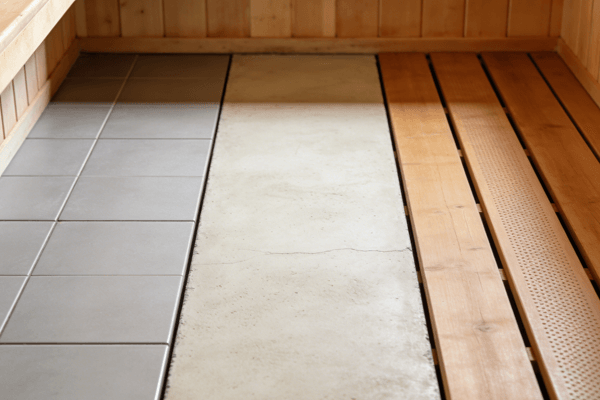
Tile, treated wood, and concrete are the most common sauna flooring23 choices. These materials resist heat and moisture.

Safe flooring materials suitable for durable home sauna use

I avoid vinyl and laminate because they warp under heat. I also use removable wooden grates on top of the main floor for comfort. Holie saunas often include anti-slip boards24.

Flooring Comparison

Material Safety Durability
Tile High High
Concrete Medium High
Treated wood High Medium

How Do You Ensure Proper Drainage in a Sauna Room?

I need clean and dry surfaces after each session. I do not want water pooling around the heater or corners.

Drainage helps remove water from steam, cleaning, and sweat so the floor stays dry and safe.

Drainage system design inside a sauna room to handle moisture

I add a floor drain when possible. I slope the floor gently toward it. If a drain is not possible, I use moisture-resistant flooring and good airflow to dry the room quickly.

Drainage Planning

Feature Benefit
Floor slope Moves water out
Floor drain25 Collects moisture
Airflow26 Speeds drying

What Are the Safety Rules to Follow During Sauna Installation?

I want to enjoy the sauna without worrying about accidents. I follow every safety rule clearly.

Safety rules include correct heater spacing, safe wiring27, proper ventilation, and heat-proof materials28.

Safety rules every homeowner should follow during sauna installation

I follow the heater manual and keep all objects away from heating elements. I install guard rails and avoid metal inside the sauna. Holie saunas include safety rails in their design.

Safety Rules Table

Rule Purpose
Keep clearance Avoid fire
Install rails Prevent burns
No metal inside Avoid heat injuries

How Can You Maintain Your Sauna After Installation?

I want my sauna to stay clean and fresh. I also want the heater to work well for many years.

Maintenance includes wiping surfaces, checking ventilation, cleaning stones, and drying the room after use.

Maintenance steps required after installing a home sauna

I lift floor grates to remove dirt. I clean heater stones29 once or twice a year. I check wood panels for cracks. Holie saunas use durable wood30 that needs minimal care.

Maintenance Tasks

Task Frequency
Clean stones Yearly
Wipe wood Weekly
Check vents Monthly

When Should You Choose a Prefab Sauna Kit Instead of a Custom Build?

I want a simple installation sometimes. Other times, I need a perfect fit. I compare both options.

Prefab kits31 are ideal for quick and simple installation. Custom saunas fit unique spaces and design needs.

Choosing between prefab and custom sauna options for installation

I choose prefab when I want fast results and predictable costs. Holie prefab units arrive ready to assemble. I choose custom builds when I want special layouts or luxury designs.

Prefab vs Custom

Option Best For
Prefab Fast and easy setup
Custom Unique layout and design

What Are the Cost Factors of Installing a Sauna at Home?

I want a clear idea of cost so I can set a correct budget.

Costs depend on sauna type32, heater size, materials, wiring, insulation, and ventilation work.

Factors affecting overall cost of installing a home sauna

I compare costs of prefab units against custom builds. I also include electrician fees and material upgrades33. Holie offers options across different budget ranges.

Cost Breakdown

Item Impact on Price
Heater power Medium
Wood type High
Wiring Medium
Build complexity High

Is DIY Sauna Installation34 Worth It, or Should You Hire a Professional?

I like saving money, but I do not want unsafe results.

DIY works for simple builds, but professional help35 is safer for wiring, ventilation, and structural work.

DIY vs professional approach comparison for sauna installation

I do small tasks myself. I leave electrical and complex steps to experts. This balance saves money and avoids risks.

DIY vs Professional

Task DIY Professional
Assembly Yes Optional
Wiring No Yes
Ventilation Maybe Yes

What Certifications or Safety Standards Should a Sauna Meet?

I want to make sure the sauna is safe and meets international rules.

Saunas should meet CE, ETL36, or equivalent certifications to confirm heater safety and material performance.

Certifications and safety standards required for reliable sauna products

I check the heater label and ask the supplier for test reports. Holie products follow global safety standards used in major resorts.

Certification List

Certification Purpose
CE37 EU compliance
ETL North American safety
ISO9001 Factory quality management

Conclusion

A successful home sauna installation depends on careful planning, correct material selection, safe electrical work, and long-term moisture protection. When I evaluate the space, confirm ventilation paths, choose the right heater size, and install proper insulation with a vapor barrier, the sauna performs more efficiently and heats more evenly. A well-planned layout also reduces heat loss, prevents mold growth, and protects the home structure.

I also need to follow strict safety steps—such as maintaining heater clearance, using certified components, and relying on a licensed electrician for wiring—to avoid hazards. Proper flooring, drainage planning, and high-temperature-rated wood ensure durability and comfort during daily use. After installation, regular maintenance keeps the heater stable, preserves the wood surface, and extends the lifespan of the entire system.

By following these guidelines and avoiding common mistakes, I can create a home sauna that offers stable performance, consistent heat, and long-lasting reliability. A well-installed unit—whether prefab or custom—brings better comfort, safer operation, and a more enjoyable wellness experience for many years.


  1. Exploring this resource will provide you with essential steps and tips for a successful home sauna installation. 

  2. This link will guide you on maintaining optimal conditions in your sauna, preventing damage and enhancing your experience. 

  3. Understanding power supply requirements is crucial for safe sauna operation and avoiding electrical issues. 

  4. Exploring local regulations ensures compliance and helps you avoid legal complications during installation. 

  5. Understanding moisture stability is crucial for sauna longevity. Explore this link to learn how to maintain a dry environment. 

  6. Airflow is vital for sauna efficiency and comfort. Discover why proper ventilation matters for your sauna setup. 

  7. Discover the advantages of traditional saunas, including their strong heat and steam, ideal for a classic sauna experience. 

  8. Explore the benefits of infrared saunas to understand how they can provide gentle warmth and low energy use, perfect for your home. 

  9. Understanding proper wiring is crucial for safety and efficiency in sauna installations, ensuring a worry-free experience. 

  10. Exploring ventilation practices can help prevent heat buildup and ensure a safe, comfortable sauna environment. 

  11. Understanding the impact of weak insulation can help you ensure a more efficient and durable sauna. 

  12. Choosing the correct heater size is crucial for optimal performance; explore this link to avoid common sizing mistakes. 

  13. Understanding the significance of proper ventilation can enhance your sauna experience and ensure safety. 

  14. Exploring the role of fresh air can help you optimize your sauna for better comfort and health. 

  15. Understanding the importance of hiring a licensed electrician can help ensure safety and compliance with local codes. 

  16. Exploring ground-fault protection will enhance your knowledge of electrical safety and prevent potential hazards. 

  17. Understanding foil vapor barriers is crucial for effective sauna insulation and moisture control. 

  18. Exploring moisture-resistant materials will help you choose the right flooring to prevent damage in your sauna. 

  19. Understanding heater power is crucial for achieving the perfect sauna experience efficiently. 

  20. Calculating room volume ensures you choose the right heater, maximizing comfort and efficiency. 

  21. Preventing moisture damage is essential for maintaining sauna integrity and longevity. 

  22. Understanding vapor barriers is crucial for effective moisture control and heat retention in saunas. 

  23. Explore this link to discover the top materials for sauna flooring, ensuring safety and durability in your sauna. 

  24. Learn how anti-slip boards enhance safety in saunas, making your experience more comfortable and secure. 

  25. Explore the advantages of floor drains in saunas to ensure effective moisture management and safety. 

  26. Learn how proper airflow can enhance drying and maintain a safe environment in your sauna. 

  27. Understanding safe wiring practices is crucial for preventing electrical hazards in your sauna. 

  28. Exploring heat-proof materials ensures your sauna is built to withstand high temperatures safely. 

  29. Learn the best methods for cleaning heater stones to ensure your sauna operates efficiently and lasts longer. 

  30. Explore the advantages of durable wood in sauna construction for longevity and minimal maintenance. 

  31. Explore the advantages of prefab kits for saunas, including cost-effectiveness and ease of installation. 

  32. Understanding the various sauna types can help you choose the best option for your budget. 

  33. Exploring material upgrades can enhance your sauna experience and justify the investment. 

  34. Explore this link to understand the pros and cons of DIY sauna installation, helping you make an informed decision. 

  35. Discover why hiring professionals for sauna installation can ensure safety and quality, preventing costly mistakes. 

  36. Exploring ETL certification will inform you about North American safety standards, ensuring your sauna is safe. 

  37. Understanding CE certification helps ensure your sauna meets EU safety standards, crucial for safe usage. 

Share The Post Now:

kkhhiou a dynamic shot of a young chinese father with smooth sk ad320a9d 63f6 43b0 bf05 6c0196103f3d

Hi there! I’m Roy, working over 15 years in the sanitary ware industry, leads Holie in offering high-quality, customizable bathroom solutions to clients. Here to share what I’ve learned—let’s grow together!

china sourcing guide holie 2024 2025 2026 2023 bathroom products ceramic toilet bathtub steam showers ego 2026 2027

You may also find these topics interesting

holie ball 01

HELLO!

Simple step to get the Price OR Catalogue

Ask For A Quick Quote

We will contact you within 1 working day, please pay attention to the email with the suffix [email protected]