 Skip to content
 Toilet seats come in different materials, each with its own advantages and limitations. The right choice affects daily comfort, long-term durability, hygiene, and maintenance cost.
There are various toilet seat materials, including plastic, wood, and duroplast. Each material offers unique features that influence how the seat feels, how long it lasts, and how easy it is to clean.
Understanding these differences early helps you select a toilet seat that matches your usage habits, budget, and bathroom environment—without surprises after installation. In real projects, toilet seat material is usually considered together with the overall toilet and basin selection and usage scenario.
What Are the Different Types of Toilet Seat Materials?
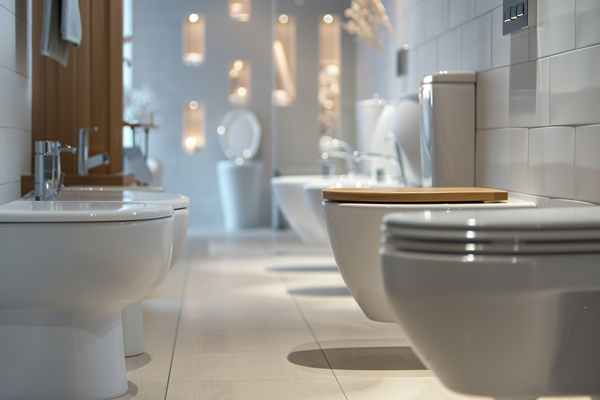
Toilet seats are made from various materials, and each option affects durability, comfort, and cost in different ways.
Choosing the right one ensures comfort, durability, and hygiene1.
The most common toilet seat materials2 are plastic, wood, duroplast, resin, stainless steel, thermoset, and enameled wood. Each has distinct characteristics.
Types of Toilet Seat Materials
| Material | Characteristics | Pros | Cons |
|---|---|---|---|
| Plastic (PP) | Lightweight, affordable | Cheap, easy to clean | Less durable, prone to scratches |
| Wood | Natural, warm feel | Comfortable, stylish | Can absorb moisture, needs maintenance |
| Duroplast (UF) | Hard plastic, ceramic-like | Durable, scratch-resistant | More expensive than plastic |
| Resin | Transparent, decorative | Unique designs, sturdy | Can be costly, heavy |
| Stainless Steel | Industrial, robust | Hygienic, strong | Uncomfortable, cold to touch |
| Thermoset | Heat-pressed plastic | Stain-resistant, durable | More expensive than standard plastic |
| Enameled Wood | Wood with protective coating | Durable, water-resistant | Heavier than plastic |
How Material Affects Longevity
The lifespan of a toilet seat depends heavily on the material used:
- Plastic: Typically lasts 3–5 years.
- Wood: Can last over 7 years with proper care.
- Duroplast: Often lasts more than 10 years due to its hardness and resistance.
How Do I Choose the Right Toilet Seat for My Bathroom?
The right toilet seat depends on budget, comfort, and aesthetics.
Consider durability, hygiene, maintenance, and style when selecting a toilet seat material. Choose one that suits your needs and bathroom design.
Factors to Consider
- Durability – Harder materials like duroplast last longer.
- Hygiene – Non-porous surfaces like plastic prevent bacterial buildup.
- Comfort – Wooden seats provide warmth; plastic feels cooler.
- Maintenance – Some materials require more cleaning and care.
Comparing Styles and Shapes
Toilet seats come in different shapes that impact comfort:
- Round seats: Compact and budget-friendly.
- Elongated seats: More comfortable but require more space.
- Square or D-shape seats: Modern look but less common.
What Is the Difference Between Plastic and Wooden Toilet Seats?
Plastic and wood are the two most common toilet seat materials, each with distinct qualities.
Plastic toilet seats3 are affordable and easy to clean, while wooden ones offer warmth and a classic appearance but require more maintenance.

Key Differences
| Feature | Plastic Seats | Wooden Seats |
|---|---|---|
| Price | Affordable | More expensive |
| Comfort | Cool to touch | Warmer, more comfortable |
| Durability | Can crack over time | Needs sealing to prevent moisture damage |
| Maintenance | Easy to clean | Requires more care |
Environmental Impact
- Plastic: Less eco-friendly due to petroleum-based production.
- Wood: More sustainable but requires responsible sourcing.
Is Enameled Wood Better Than Plastic for a Toilet Seat?
Enameled wood combines the best of both materials, but is it better?
Enameled wood seats are more durable and resistant to moisture compared to regular wooden seats, while plastic seats remain lightweight and easier to clean.
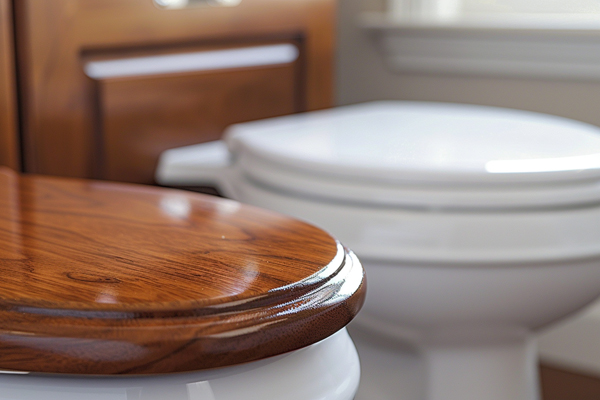
Pros and Cons of Enameled Wood
- Pros: Stronger than plastic, resistant to moisture, stylish.
- Cons: Heavier, can chip over time, more expensive.
When to Choose Enameled Wood?
- Ideal for high-end bathrooms with a luxurious look.
- Best for areas with high humidity where wood needs extra protection.
Which Toilet Seat Material Is the Most Durable?
Durability matters, especially in high-traffic bathrooms.
Duroplast and stainless steel toilet seats are the most durable. They resist scratches, stains, and breakage, making them ideal for long-term use.
Most Durable Toilet Seat Materials
| Material | Durability Rating (1-5) | Best For |
|---|---|---|
| Duroplast4 | ⭐⭐⭐⭐⭐ | Home and public restrooms |
| Stainless Steel | ⭐⭐⭐⭐⭐ | Commercial and industrial settings |
| Enameled Wood | ⭐⭐⭐⭐ | Stylish home bathrooms |
| Plastic | ⭐⭐⭐ | Budget-friendly homes |
Maintenance Tips for Long-Lasting Seats
- Use mild cleaners to prevent material breakdown.
- Avoid direct sunlight to prevent discoloration.
- Check for loose fittings to avoid cracks and stress points.
What Is the Most Comfortable Toilet Seat Material?
Comfort varies based on personal preference and seat material.
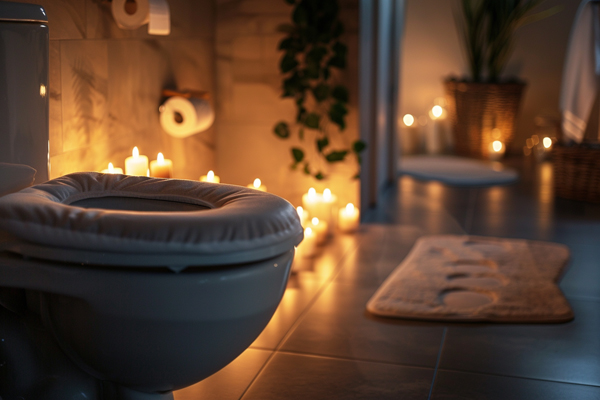
Wooden and padded toilet seats5 offer the most comfort. They provide warmth and reduce pressure points compared to plastic or metal seats.
Best Materials for Comfort
- Wooden seats – Retain warmth, feel natural.
- Padded seats – Soft and ergonomic.
- Resin seats – Smooth and contoured for better support.
How Seat Shape Affects Comfort
- Elongated seats: More room, better for long sitting.
- Rounded seats: Compact but may feel restrictive.
Are Duroplast Toilet Seats Worth It?
Duroplast toilet seats are often marketed as premium options, but are they worth the cost?
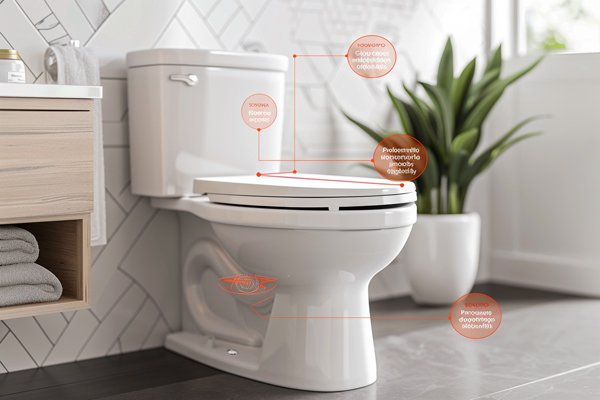
Duroplast toilet seats are highly durable, scratch-resistant, and maintain their appearance longer than regular plastic. They are worth the investment for longevity.
Why Choose Duroplast?
- Durability – Long-lasting and scratch-resistant.
- Hygiene – Easy to clean, non-porous surface.
- Aesthetics – Sleek, modern appearance.
What Should You Avoid Using on a Toilet Seat?
Cleaning products affect the lifespan of your toilet seat.
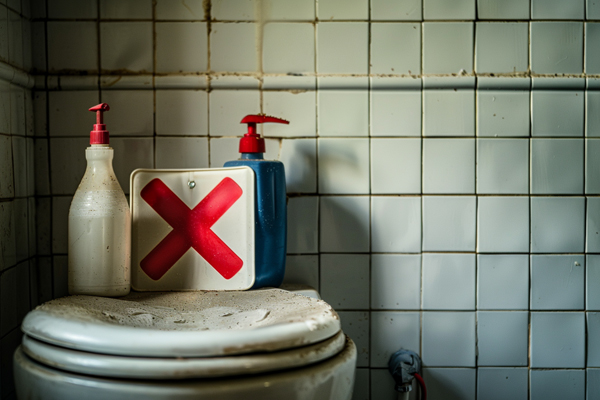
Avoid harsh chemicals6 like bleach or abrasive cleaners. They can damage plastic and wood finishes, reducing durability.
Safe vs. Unsafe Cleaning Products
| Safe Cleaners | Unsafe Cleaners |
|---|---|
| Mild soap and water | Bleach-based cleaners |
| Vinegar and water | Abrasive powders |
| Disinfecting wipes | Harsh chemical sprays |
Conclusion
Choosing the best toilet seat material depends on factors like durability, comfort, and style. Plastic is cost-effective, while wood offers warmth. Duroplast provides longevity, and enameled wood balances strength and aesthetics. Stainless steel suits commercial use, while resin adds a decorative touch. Avoid harsh cleaners to maintain seat longevity. The best choice varies based on your needs, ensuring a practical and stylish bathroom upgrade.
-
Toilet Seat Buying Guide – https://www.kohler.com/en/inspiration/buying-guides/toilet-seat-buying-guide ↩
-
What Material Should You Choose for Your Toilet Seat – https://www.toiletseats.com/education-and-inspiration/articles/what-material-should-you-choose-for-your-toilet-seat/ ↩
-
Benefits of Plastic and Enameled Wood Toilet Seats – https://www.toiletseats.com/education-and-inspiration/articles/benefits-of-enameled-wood-toilet-seats-and-plastic-toilet-seats/ ↩
-
Duroplast WC Seats Material Overview – https://www.hamberger-sanitary.com/us/products/wc-seat-material/duroplast-wc-seats/ ↩
-
Pros and Cons of Cushioned Toilet Seats – https://cushnsoft.com/blogs/news/pros-and-cons-of-cushioned-toilet-seats ↩
-
Chemical Toilet Products Advisory for Consumers – https://dtsc.ca.gov/chemical-toilet-products-advisory-for-consumers-fact-sheet/ ↩


