 Skip to content
 Choosing between siphonic and washdown toilets depends on flushing priorities, water usage concerns, and maintenance expectations. Siphonic toilets are typically quieter and help keep the bowl cleaner, while washdown toilets are known for lower water consumption and simpler maintenance. The better choice depends on how the toilet will be used and maintained over time.
Siphonic and washdown toilets work differently, and each offers distinct advantages. The choice affects water usage, cleaning effort, noise level, and long-term performance. Understanding these differences early helps avoid regret after installation.
Struggling to choose between siphonic and washdown toilets? The sections below explain how each system works and where each performs best.
What is the difference between siphonic and washdown toilets?
Choosing the right toilet starts with understanding the basics. Siphonic and washdown models are fundamentally different in their flushing mechanisms.
Siphonic toilets use a vacuum-assisted flush, while washdown toilets1 rely on gravity to clear waste.
In real project installations, the selection between siphonic and washdown often involves balancing water consumption goals with maintenance capacity. In high-use commercial bathrooms, washdown systems are frequently specified for their simpler structure and lower water use. In residential settings, quieter operation often makes siphonic toilets more appealing.
Struggling to choose between siphonic and washdown toilets? Understanding how each system functions internally helps explain why daily performance and maintenance requirements differ.
The visual comparison below highlights differences in bowl design, water coverage, and flushing behavior between siphonic and washdown toilets. These structural differences influence cleaning effort and flushing consistency in daily use.
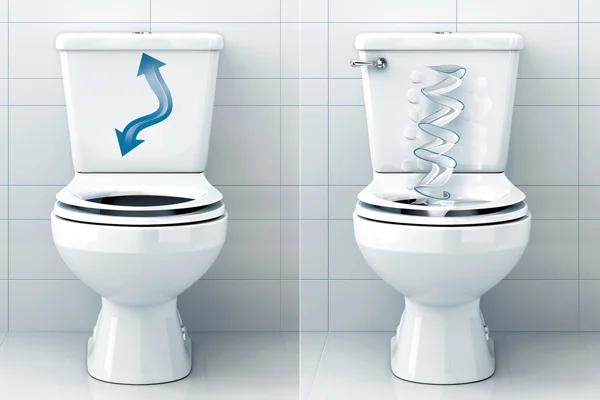
Key Differences Explained
| Feature | Siphonic Toilets | Washdown Toilets |
|---|---|---|
| Flushing Mechanism | Uses vacuum suction | Relies on gravity |
| Water Consumption | Generally higher | Typically uses less |
| Noise Level | Quieter flush | Louder flush |
| Cleaning Efficiency | Reduces skid marks | May require more effort |
Understanding these distinctions helps determine which flushing system better matches household usage or project requirements.
How does a siphonic toilet work?
A siphonic toilet2 creates a vacuum force that pulls waste through the trapway using a strong water flow.
The vacuum action ensures a quieter, more thorough flush.
In bulk supply cases, siphonic toilets are often chosen where noise reduction and bowl cleanliness are priorities — for example, in hospitality environments where guest comfort is essential.
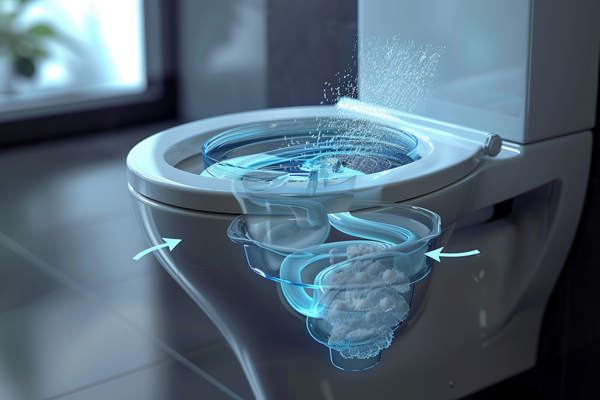
Why Siphonic Systems Stand Out:
- Vacuum Power: The flushing system forms a siphon, pulling waste away smoothly.
- Water Seal: Prevents odors from coming back up the drain.
- Reduced Splash: Keeps the bowl cleaner with each use.
This design makes siphonic toilets ideal for households seeking powerful yet quiet flushes.
When did siphonic washdown toilets first become popular?
Siphonic toilets gained popularity in the early 20th century as indoor plumbing advanced.
The combination of hygiene improvements and design innovation fueled their widespread adoption.
Historical Milestones:
- 1900s: Early siphonic models emerged in Europe and North America.
- Mid-20th century: Became standard in luxury homes.
- Today: A common choice for high-end bathrooms worldwide.
Which flushing system is better: Siphonic or Washdown?
The answer depends on your priorities—water efficiency3, noise level, and ease of cleaning all play a role.
Siphonic toilets offer quieter, cleaner flushes; washdown models save water and space.
In project scenarios, selection between siphonic and washdown systems often balances water use, maintenance, and noise preferences. Washdown toilets are frequently specified for high-traffic bathrooms where simplicity and water savings matter, while siphonic toilets are chosen in residential or hospitality contexts where quieter operation and bowl cleanliness are priorities. For buyers comparing real configurations, both siphonic and washdown options can be reviewed in our toilet and basin product range.

Choosing Based on Needs:
| Priority | Best System |
|---|---|
| Water Efficiency | Washdown |
| Quiet Operation | Siphonic |
| Cleaning Ease | Siphonic |
| Compact Design | Washdown |
In practical selection for homes or multi-unit projects, your choice should align with usage intensity. For eco-focused designs and tighter water budgets, washdown models are often more efficient, while siphonic models are preferred in quieter, performance-focused settings.
Your choice should align with your lifestyle and environmental concerns.
Are washdown toilets more efficient than siphonic models?
Yes, in terms of water usage. Washdown toilets typically require less water per flush.
Lower water consumption4 makes washdown toilets ideal for eco-conscious homes.
In sustainability-oriented developments or regions with water rebate programs, washdown toilets are frequently chosen for their lower average flush volume and simpler geometry, easing maintenance down the line.
Efficiency at a Glance:
- Water-Saving Designs: Modern models use as little as 3 liters per flush.
- Reduced Clogging: Simpler design means fewer blockages.
- Shorter Flush Time: Clears waste quickly and effectively.
What makes a toilet flush more powerful?
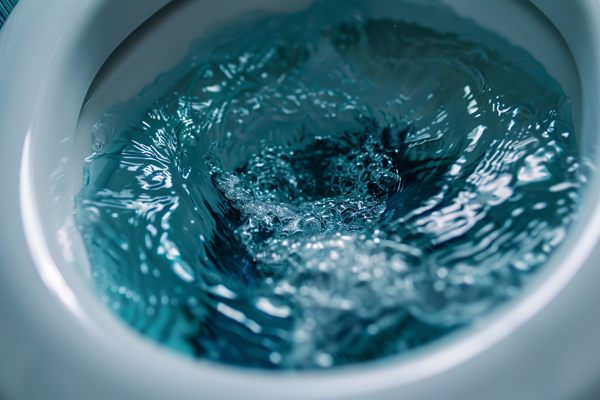
A toilet’s flush power comes from water pressure, trapway design, and bowl shape.
Higher water flow and efficient trapways increase flushing strength.
Boosting Flush Performance:
- Wider Trapways5: Reduce clogging and increase flow speed.
- Pressurized Tanks: Add extra force to the flush.
- Optimized Bowl Design: Guides waste more effectively.
What is a flush performance rating, and why does it matter?
Flush performance ratings, like MaP (Maximum Performance), measure how much waste a toilet can remove in a single flush.
Higher ratings ensure better performance and fewer blockages.
For institutional or high-traffic environments, optimizing flush performance often means choosing systems with stable pressure and trapway design suited to heavy use.

Why Ratings Are Important:
- Efficiency: Better-rated toilets use less water.
- Reliability: Fewer flushes mean less maintenance.
- Environmental Impact: Saves water over time.
Which type of toilet flush uses less water: Siphonic or Washdown?
Washdown toilets are more water-efficient by design.
They typically require only 3-4 liters per flush compared to 6 liters or more for siphonic models.
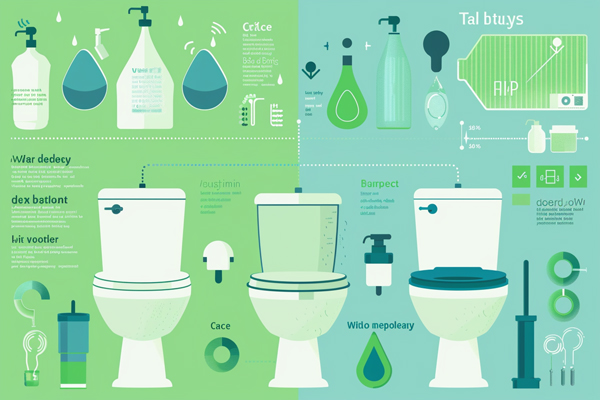
Water Consumption Comparison:
| Toilet Type | Average Water Usage (per flush) |
|---|---|
| Siphonic | 6-8 liters |
| Washdown | 3-4 liters |
If reducing water usage is a priority, washdown systems are the better choice.
How can you make your toilet more water-efficient?
Simple upgrades can help reduce water waste without replacing your toilet.
Install dual-flush systems, fix leaks, and adjust float levels for better efficiency.
Easy Water-Saving Tips:
- Dual-Flush Conversion Kits: Offer two flush options.
- Leak Checks: Regularly inspect for silent leaks.
- Low-Flow Aerators: Reduce water usage without affecting performance.
What are the advantages and disadvantages of siphonic toilets?
Siphonic toilets offer several benefits but also come with downsides.
They’re quiet and effective but use more water and can clog more easily.
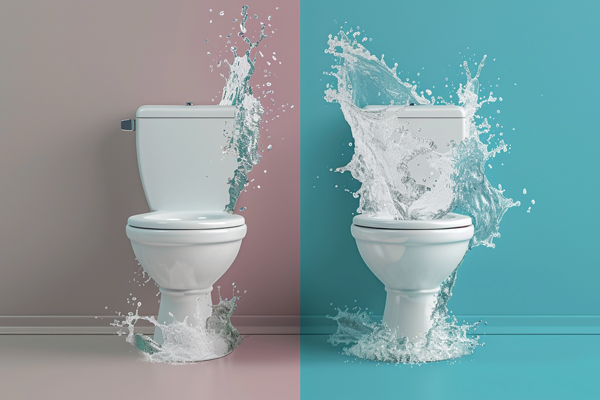
Pros and Cons:
| Advantages | Disadvantages |
|---|---|
| Quieter operation | Higher water consumption |
| Cleaner bowl | Larger design footprint |
| Reduced odors | More prone to clogs |
Are siphonic toilets good for everyday use?
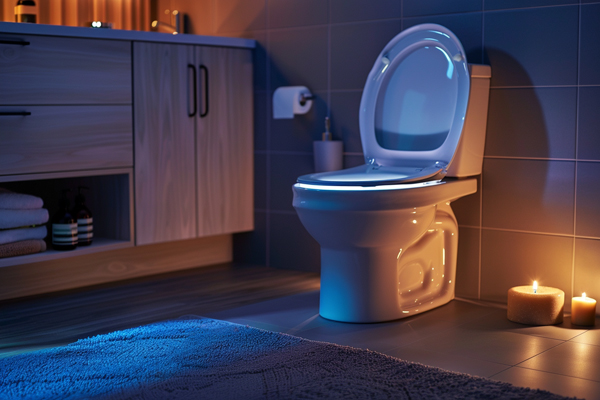
Yes, especially for homes prioritizing quiet operation and cleanliness.
They offer reliable performance but may increase water bills slightly.
Everyday Benefits:
- Low Noise: Ideal for households with light sleepers.
- Clean Bowl Design: Reduces cleaning frequency.
- Durable Construction: Built for long-term use.
Why is my siphonic toilet not flushing properly?
Common causes include clogs, low water pressure, or faulty parts.
A weak flush often signals a blockage or insufficient water supply.
Troubleshooting Tips:
- Check for Clogs: Use a plunger or drain cleaner.
- Inspect the Tank: Ensure water levels are adequate.
- Replace Worn Parts: Flappers and seals wear out over time.
How do you fix common problems with washdown toilets?
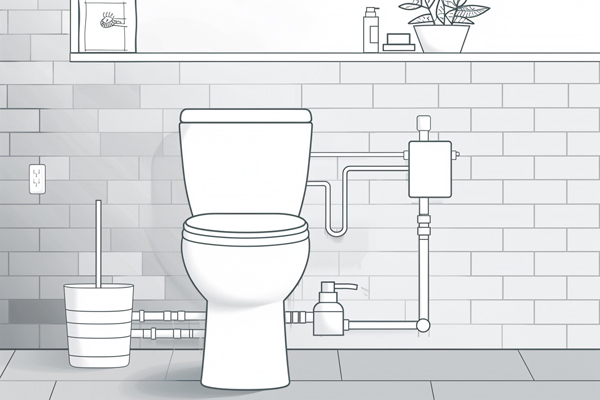
Washdown toilets are simpler, but issues like weak flushing6 and leaks can occur.
Most problems can be solved with basic maintenance or part replacements.
Quick Fixes:
- Weak Flush: Clear blockages from the trapway.
- Leaks: Tighten seals or replace gaskets.
- Water Waste: Adjust the float level to prevent overflow.
How do I choose the best toilet flush system for my home?
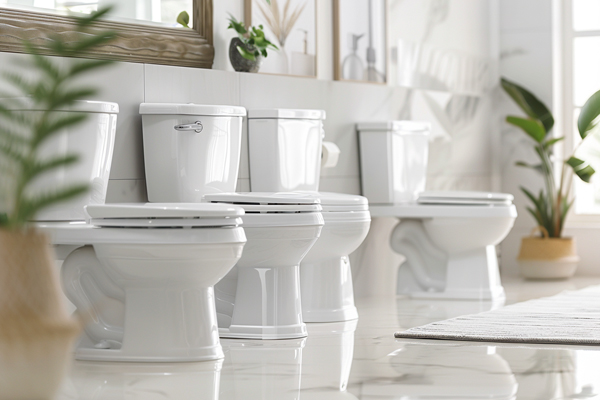
Consider water efficiency, space, noise level, and ease of maintenance.
If water-saving is a priority, choose washdown; for a quieter flush, go with siphonic.
Selection Guide:
| Factor | Best Choice |
|---|---|
| Space-Saving | Washdown |
| Water Efficiency | Washdown |
| Quiet Operation | Siphonic |
| Easy Maintenance | Washdown |
Conclusion
Choosing between siphonic and washdown toilets depends on your priorities. Siphonic models offer quieter, cleaner flushes, while washdown toilets save water and space. Evaluate your household’s needs, and you’ll find the perfect toilet for your bathroom.
For project buyers evaluating flushing systems, consider water efficiency, noise level, and maintenance frequency. You can find both siphonic and washdown options in our toilet and basin product range designed for residential and commercial applications.
-
What Exactly Is a Washdown Toilet Pan? – https://ortonbaths.com/what-exactly-is-a-washdown-toilet-pan/ ↩
-
How Does a Siphonic Toilet Work? – https://www.youtube.com/watch?v=LmsIYwf8QqQ ↩
-
Water-Saving Toilets – https://architizer.com/blog/practice/details/water-saving-toilets/ ↩
-
Toilets 101 – https://psci.princeton.edu/tips/2020/1/20/toilets-101 ↩
-
Don’t Larger Trapways Increase the Risk of Nastier Clogs? – https://terrylove.com/forums/index.php?threads/dont-larger-trapways-increase-the-risk-of-nastier-clogs.76826/ ↩
-
Weak Toilet Flush Problems – https://www.fluidmaster.com/toilet-problems/weak-toilet-flush/ ↩


