 Skip to content
 Shower drains are essential, but choosing the wrong one can lead to frustrating problems.
Linear shower drains look modern and clean, but they are not trouble-free. Many issues only appear after installation and daily use begins, especially in poorly planned shower room projects where slope, drain position, and waterproofing details are overlooked.
Understanding common problems in advance helps avoid drainage failures, maintenance headaches, and costly rework later.
What are the most common issues with linear shower drains?

Linear shower drain challenges1 may look sleek but often come with unique challenges requiring careful planning and maintenance.
Common issues with linear shower drains are popular for their modern look, but improper installation can cause trouble. Most problems fall into two broad categories: installation-related issues and maintenance-related issues.
Installation-related problems
Problems that occur during installation are often the most difficult to fix later. Incorrect slope, poor leveling, or improper drain placement can restrict water flow and lead to slow drainage or water pooling. These issues usually require rework once tiles are installed, increasing cost and disruption.
Maintenance-related problems
Even with correct installation, linear shower drains require regular maintenance. Hair, soap residue, and debris tend to accumulate along the long drain channel. Without consistent cleaning, clogs and drainage delays become common.
| Problem | Cause | Solution |
|---|---|---|
| Clogging | Hair and soap buildup | Use a hair trap and clean regularly |
| Slow drainage | Insufficient slope | Adjust slope during installation |
| Water pooling | Poor placement or leveling | Proper positioning by professionals |
What are the potential downsides of using a linear drain?
Potential downsides of linear drains look sophisticated but may not suit all bathrooms or budgets.
They are often more expensive than traditional drains and require more planning for proper installation.

Consider your shower layout, budget, and water drainage needs before choosing a linear drain. It’s not always the perfect fit for every bathroom.
Why are linear shower drains often more expensive than traditional drains?2
Linear drains demand precision engineering and high-quality materials.
Their design involves higher manufacturing costs and custom fitting compared to traditional point drains.

The price includes sleek aesthetics and better functionality, but it’s crucial to assess if the extra cost aligns with your bathroom needs.
Is a linear drain the best choice for your shower?
Every shower design is unique, and linear drains excel in specific setups.
They are ideal for barrier-free showers but may not work as well in small, traditional bathrooms.

Analyze your bathroom dimensions and drainage needs to decide if a linear drain is worth the investment. Consulting an expert is always helpful.
Why does water drain so slowly in my linear shower drain?
Slow drainage is a common issue with linear shower drains and usually results from either installation problems or internal blockages. Understanding the root cause helps prevent recurring water pooling and long-term damage.

Improper slope and installation issues
Linear shower drains require precise floor slope to guide water efficiently toward the channel. If the slope is insufficient or uneven, water spreads across the shower floor instead of flowing directly into the drain. Even minor installation errors can significantly slow drainage and cause visible pooling.
Hair and soap buildup
Hair, soap scum, and residue gradually accumulate along the length of the linear drain. Because the channel is wider than a traditional point drain, buildup can restrict water flow over a larger area. Without regular cleaning, this buildup leads to delayed drainage and standing water.
Ensure regular maintenance and proper installation to maintain efficient drainage. These simple practices can save you from major headaches.
Where should you position a linear shower drain for optimal performance?
Optimal positioning of linear shower drains3 plays a key role in drainage efficiency and long-term performance.
In most shower designs, linear drains are positioned either along the wall or closer to the center of the shower floor. Each placement option affects slope design, water flow direction, and installation complexity.

Wall-side installation
Installing a linear shower drain along the wall is the most common approach, especially in curbless or walk-in showers. This placement allows the shower floor to slope in a single direction, simplifying tile layout and improving water flow efficiency. Wall-side drains are often preferred for modern designs that prioritize clean lines and easier maintenance.
Center-position installation
Center-position linear drains are used when shower layouts or plumbing constraints prevent wall-side placement. This approach typically requires multi-directional floor slopes to guide water toward the drain. While visually balanced, center installations demand more precise planning and workmanship to prevent uneven drainage or water pooling.
Collaborate with a professional to choose the best drain position based on your shower layout, slope design, and water flow pattern.
How far from the wall should a linear shower drain be installed?
Wall positioning for linear drains4 affects aesthetics and drainage efficiency.
Typically, the drain is placed 6–12 inches from the wall for seamless integration.

Consult an expert to determine the right distance for your bathroom layout and water flow needs.
How much slope is necessary for a linear shower drain to function efficiently?
Proper slope is essential for linear shower drains to move water efficiently and prevent pooling. In most installations, slope requirements are defined by industry standards, but correct execution during installation is just as important.
Proper slope for linear shower drains5 of 1/4 inch per foot is the standard recommendation for linear drains.

Industry-standard slope requirements
The widely accepted standard for linear shower drains is a slope of approximately 1/4 inch per foot toward the drain. This gradient allows water to flow consistently without moving too quickly or stagnating on the shower floor. Following this guideline helps ensure reliable drainage performance across different shower sizes and layouts.
Common slope mistakes during installation
Even when installers are aware of the recommended slope, execution errors are common. Uneven leveling, inconsistent pitch across the shower floor, or slight deviations near the drain can all reduce drainage efficiency. During installation, verifying the slope before tiling is critical, as minor adjustments at this stage can prevent long-term drainage problems.
Do linear shower drains require a flange for proper installation?
Importance of flanges6 is crucial for maintaining a watertight seal around the drain.
Without a flange, water may leak, causing long-term structural damage.

Always ensure the drain includes a flange and is installed properly to prevent leaks and water damage.
How can you prevent hair from clogging your linear shower drain?
Hair is the most common cause of clogs in linear shower drains. Preventing blockages requires a combination of physical protection and consistent maintenance habits.
Preventing hair clogs7 using a hair trap and cleaning it regularly can keep your drain flowing freely.

Preventive accessories
Hair traps and fine-mesh drain covers act as the first line of defense against clogs. These accessories capture hair before it enters the drain channel, reducing buildup along the length of the linear drain. Investing in high-quality covers can significantly lower the risk of recurring blockages.
Routine cleaning habits
Even with protective accessories, regular cleaning is essential. Removing trapped hair and residue on a consistent basis prevents gradual accumulation that can restrict water flow. Simple, routine maintenance helps keep the drain functioning efficiently over time.
Why does my shower drain get clogged so frequently?
Frequent clogs often result from hair, soap scum, and inadequate cleaning.
Poor maintenance and unsuitable cleaning tools exacerbate the problem.

Develop a routine for cleaning the drain and removing debris to keep your shower functioning smoothly.
How do you safely unblock a clogged linear shower drain?
Clearing blockages in a linear shower drain requires methods that are effective without damaging the drain or surrounding waterproofing. In most cases, the right approach depends on the severity of the clog.
DIY unclogging methods
Unblocking clogged linear shower drains can often be done using a plumbing snake or by manually removing visible debris. These methods are suitable for minor blockages caused by hair and soap residue. Gentle tools and careful handling help restore water flow without scratching the drain channel or damaging internal components.

When to call a professional
For severe or recurring blockages, professional plumbing assistance is the safest solution. Deep clogs may indicate underlying installation issues or buildup beyond reach of basic tools. Calling a professional helps prevent accidental damage and avoids costly repairs caused by improper DIY attempts.
Can Drano effectively dissolve hair in a shower drain?
Drano usage in shower drain may work but isn’t always the best solution for every drain.
Its harsh chemicals can damage certain materials and may not clear all clogs.

Opt for safer alternatives or professional help to preserve your drain and avoid unnecessary damage.
What type of drain is considered the best for modern showers?
The best drain depends on your bathroom style, budget, and water flow needs.
Best drain options for modern showers8 include linear drains for aesthetics and traditional drains for simpler setups.
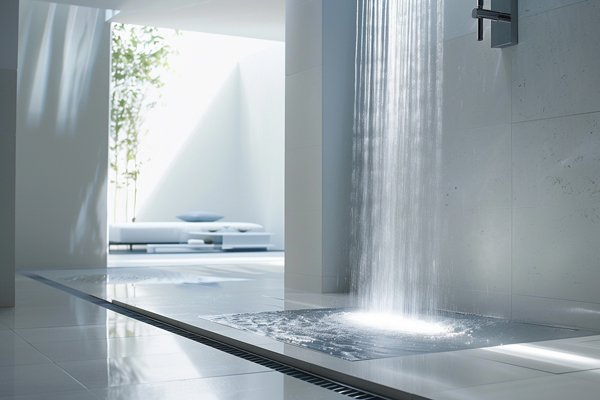
Discuss options with an expert to select the most functional and visually appealing solution for your bathroom.
Conclusion
Linear shower drains add modern elegance but require proper installation and maintenance. From slow drainage to frequent clogs, understanding potential issues helps you prepare for and mitigate problems effectively. Regular cleaning, thoughtful placement, and consulting experts ensure a smooth shower experience.
-
Linear shower drain challenges – https://southendplumbingllc.com/expert-tips/what-are-the-disadvantages-of-linear-shower-drains/#:~:text=Cleaning%20and%20upkeep%20can%20be,could%20run%20into%20the%20drain. ↩
-
Why linear shower drains are more expensive than traditional drains – https://www.oatey.com/faqs-blog-videos-case-studies/blog/linear-vs-center-square-drains-five-considerations#:~:text=While%20the%20cost%20of%20a,%2C%20customization%2C%20and%20onsite%20modifications. ↩
-
Optimal positioning of linear shower drains – https://www.warmup.com/blog/curbless-installation-of-a-shower-linear-drain#:~:text=The%20slope%20of%20your%20shower,water%20to%20flow%20off%20efficiently. ↩
-
Wall positioning for linear drains – http://s7d1.scene7.com/is/content/TileShop/pdf/resources/how-to-install-a-linear-shower-drain-guide_01012019.pdf ↩
-
Proper slope for linear shower drains – https://www.warmup.com/blog/curbless-installation-of-a-shower-linear-drain#:~:text=For%20a%20curbless%20shower%20with%20a%20linear%20drain%2C%20the%20shower,should%20drop%201%2F4%20inch. ↩
-
Importance of flanges – https://infinitydrain.com/guide-specifying-correct-linear-drain/#:~:text=Modern%20waterproofing%20requires%20a%20linear,floor%20and%20up%20the%20walls. ↩
-
Preventing hair clogs – https://www.mesaplumbingcompany.com/plumbers-blog/11-ways-to-prevent-hair-from-clogging-drains ↩
-
Best drain options for modern showers – https://designerdrains.com/interior-design/the-ultimate-guide-to-choosing-the-right-shower-drain-for-a-luxurious-bathroom-experience/#:~:text=2.,more%20flexibility%20in%20shower%20design. ↩


