Skip to content
 Toilets come in various designs and sizes, which often leads to questions about their actual weight. Understanding toilet weight helps with installation planning, floor load safety, shipping costs, and long-term durability decisions.
Most buyers only notice weight after delivery or during installation. That is usually too late. Knowing the typical range early avoids surprises in handling, logistics, and structural support.
Most standard residential toilets typically weigh between 70 and 120 pounds, depending on design, materials, and construction. Final weight is influenced more by internal structure and toilet type than by appearance alone.
What Is the Average Weight of a Toilet?

Toilets are not as light as they appear. Most standard residential models fall into a predictable range based on construction and materials.
The average weight of a standard residential toilet typically falls within the 70–120 pound range, with variations based on toilet type and construction.
Why toilet weight matters and what to consider when buying one1
Learn more about factors that influence toilet weight2
Weight differences mainly come from material density, internal structure, and flushing system design. Two toilets with similar shapes can feel very different during handling.
Factors Affecting Toilet Weight
| Material Type | Typical Use Case | Weight Impact | Durability Level |
|---|---|---|---|
| Vitreous china | Most residential floor-mounted toilets | Heavier | High |
| Ceramic composite | Slim-profile or modern designs | Medium | Moderate–High |
| Stainless steel | Commercial and public restrooms | Heavy | Very High |
| Wall-hung ceramic | Wall-mounted bowls (carrier required) | Lighter bowl | Depends on frame |
Material choice affects not only weight but also lifespan, stability, and perceived quality. Heavier toilets often indicate thicker ceramic and stronger construction, while lighter models may simplify transport and installation in specific scenarios.
Net Weight vs. Shipping Weight: What Buyers Often Miss
When discussing toilet weight, it is important to distinguish between net weight and shipping weight. Many installation and logistics issues come from confusing these two numbers.
- Net weight refers to the toilet itself without packaging.
- Shipping weight includes cartons, protective foam, pallets, and accessories.
For logistics planning and freight cost estimation, shipping weight can be 10–25% higher than the toilet’s net weight, depending on packaging method and shipment volume.
Understanding this difference helps buyers avoid surprises during delivery and installation, especially for bulk orders or project-based purchases.
How Much Weight Can a Standard Toilet Support?
Durability matters, especially for public or high-usage settings. How much can a standard toilet handle?
Many standard floor-mounted toilets are designed to handle high static loads when properly installed, but the exact weight rating varies by model and manufacturer.
Instead of relying on a single universal number, buyers should always confirm the load rating listed in the manufacturer’s installation manual or certification documents. Independent testing databases such as MaP Testing3 can help verify product specifications and compliance.

While weight support is impressive, always check the product’s certification and ratings to ensure it meets your requirements.
Key Considerations for Weight Support
- Installation Quality: A well-installed toilet supports more weight.
- Wall-Mounted vs. Floor-Mounted: Wall-mounted toilets often have stricter weight limits.
- Usage Environment: Commercial spaces require higher capacity models.
Does a Toilet’s Weight Indicate Its Quality?
Is heavier always better when it comes to toilets? The answer might surprise you.
Toilet weight can sometimes correlate with quality, but other factors like material and design are equally important. Explore quality vs. weight in toilets4
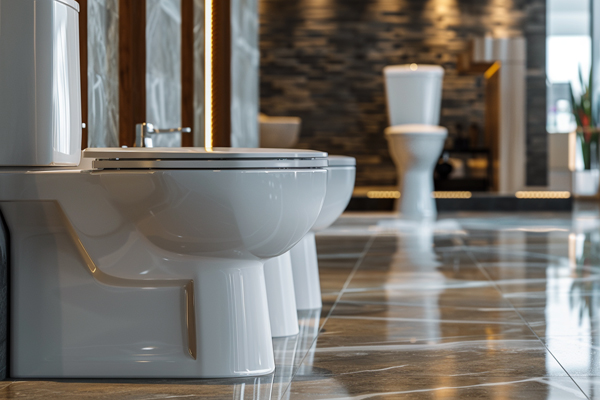
Heavy toilets often use durable materials, but lightweight models with innovative designs can also perform exceptionally.
Quality vs. Weight: What Matters Most?
| Aspect | Heavier Models | Lighter Models |
|---|---|---|
| Durability | Higher | Moderate |
| Ease of Handling | Difficult | Easier |
| Installation Cost | Higher | Lower |
Always evaluate a toilet’s features alongside its weight.
What Are the Weight Differences Between One-Piece and Two-Piece Toilets?
Toilets come in one-piece or two-piece designs, each with unique weight characteristics.
One-piece toilets are generally heavier than two-piece models, often falling toward the upper end of the typical residential weight range, while two-piece toilets are usually lighter and easier to transport.
Choosing between these designs depends on installation conditions, transport requirements, and long-term maintenance priorities.

One-piece toilets are bulkier but easier to clean. Two-piece models are more versatile and simpler to transport.
Comparison of One-Piece vs. Two-Piece Toilets
| Feature | One-Piece | Two-Piece |
|---|---|---|
| Weight | Higher | Lower |
| Maintenance | Easier | Moderate |
| Transportability | Challenging | Convenient |
Choose based on your priorities, such as ease of maintenance or portability.
How Heavy Are Wall-Mounted Toilets Compared to Floor-Mounted Models?
Wall-mounted and floor-mounted toilets differ in both installation style and weight.
Wall-mounted toilet bowls are generally lighter than floor-mounted models, often falling below the weight of traditional floor-mounted toilets. However, total load capacity depends primarily on the in-wall carrier system rather than the bowl itself.

The lighter weight of wall-mounted toilets makes them a great choice for modern, space-saving designs.
Pros and Cons of Wall-Mounted Toilets
| Feature | Wall-Mounted | Floor-Mounted |
|---|---|---|
| Weight | Lighter | Heavier |
| Installation | Complex | Simple |
| Space-Saving | Yes | No |
Consider the installation requirements and aesthetics when choosing between these options.
What Should You Consider When Buying a Toilet Based on Weight?
Toilet weight impacts installation, usage, and overall performance. What should you prioritize?
When buying a toilet, consider factors like weight, material, installation, and purpose to find the perfect match.
For commercial and project use, reviewing supplier specifications early helps avoid installation and logistics issues.
See commercial toilet solutions.
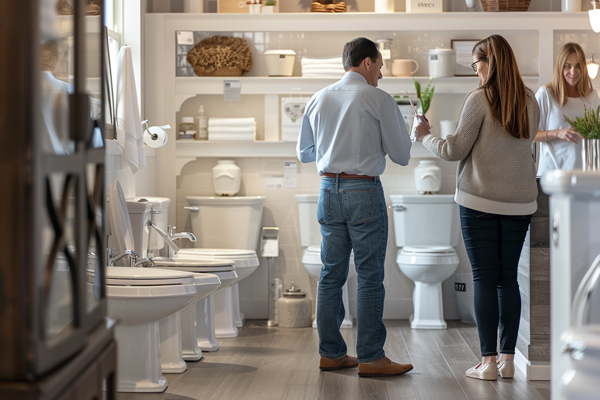
Focus on practical elements like durability, design, and compatibility with your bathroom setup.
Buyer’s Checklist for Toilet Weight
- Bathroom Size: Larger bathrooms can accommodate heavier models.
- Installation Style: Wall-mounted toilets require lighter options.
- User Needs: Heavier toilets may offer better durability for high-traffic areas.
Frequently Asked Questions About Toilet Weight
How much does a toilet weigh with water in the tank?
A filled toilet tank can add 15–25 pounds, depending on tank size. This additional weight should be considered during installation and floor load evaluation.
How much does a one-piece toilet weigh compared to a two-piece toilet?
One-piece toilets are usually heavier because the bowl and tank are integrated. Two-piece models are lighter and easier to transport but require more assembly.
How heavy is a wall-mounted toilet bowl?
Wall-mounted toilet bowls are lighter than floor-mounted models, but overall load capacity depends on the in-wall carrier system rather than the bowl itself.
Does toilet packaging significantly increase shipping weight?
Yes. Packaging materials, pallets, and protective supports can increase total shipping weight by up to 25%, which affects freight costs and handling requirements.
Conclusion
Toilet weight significantly affects durability, ease of installation, and usability. Heavier toilets, such as one-piece models, often provide better durability and are ideal for high-traffic areas, while lighter options, like wall-mounted toilets, offer space-saving advantages. Understanding the differences between toilet types, materials, and weight capacities can help you make the best choice for your bathroom. Always consider your specific needs, installation requirements, and long-term usability when selecting a toilet.
-
How Much Does a Toilet Weigh? – https://www.ratemytoilet.net/how-much-does-a-toilet-weigh/ ↩
-
How Much Does a Toilet Weigh? – https://www.thespruce.com/how-much-does-a-toilet-weigh-2719053 ↩
-
MaP Testing Product Search – https://map-testing.com/map-search/ ↩
-
Toilet Weight and Quality Comparison – https://eletrowatt.com/plumbing/toilet-and-bidet/toilet-weight/ ↩