 Skip to content
 A sauna room in 2026 typically costs between $3,000 and $6,000, depending on size, materials, and installation method (DIY or professional).
This guide breaks down real sauna costs, including materials, labor, and hidden expenses, to help you make a confident decision before starting your project.
Building a sauna room is manageable when the process is clearly planned and cost factors are well understood.
A sauna room can be built at home with careful planning, typically costing between $3,000 and $6,000 depending on its size, materials, and features.
Understanding the key steps and cost structure helps ensure a smooth build and a high-quality result.
Sauna Room Cost Factors and Search Intent
Understanding sauna room pricing in 2026 requires looking at both real cost components and how users search for this information.
A complete sauna project is usually evaluated based on:
- Sauna room size and layout
- Materials such as cedar, hemlock, or pine1
- Heating system type (electric, wood-fired, infrared)
- Installation method (DIY vs professional)
- Location (indoor vs outdoor sauna)
From an SEO perspective, users often search using different intent keywords such as:
- “sauna room cost breakdown”
- “how much to build a sauna at home”
- “DIY sauna cost vs professional”
- “indoor vs outdoor sauna cost”
Covering these aspects ensures the content matches real search behavior and improves ranking potential.
Quick Sauna Cost Overview (2026)
- Small DIY sauna: $3,000–$4,000
- Medium sauna: $4,000–$5,500
- Large or commercial sauna: $5,500–$6,500
- Professional installation can increase cost by 20%–40%
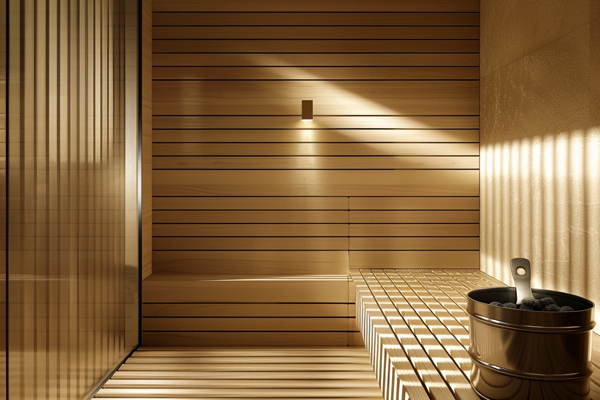
Building a sauna requires proper planning, the right materials, and attention to safety to ensure long-term performance.
Key steps include selecting the location, preparing the area, installing the frame and materials, and ensuring ventilation for safety and performance.
How to Decide the Best Sauna Option for Your Budget
Choosing the right sauna setup depends on your budget, space, and long-term goals.
If your priority is low initial cost, a DIY sauna using a pre-built kit is often the best option. However, it requires time, basic construction skills, and careful installation.
If your priority is quality and reliability, a professionally installed sauna ensures proper insulation, ventilation, and safety compliance, although the cost is higher.
For commercial or project-based use, investing in a higher-quality build can reduce long-term maintenance costs and improve user experience, making it more cost-effective over time.
In summary:
- Budget-focused users → DIY sauna
- Quality-focused users → Professional installation
- Commercial buyers → High-quality custom sauna systems
Step 1: Selecting the Right Location for Your Sauna
The location you choose affects usability, cost, and overall experience. Consider both indoor and outdoor options based on your needs:
| Location Type | Benefits | Drawbacks |
|---|---|---|
| Indoor (Bathroom) | Easy access to plumbing, better insulation | Limited space, potential for structural changes |
| Indoor (Basement) | Spacious, great for home renovations | Higher humidity, may require dehumidifiers |
| Outdoor (Yard) | Offers privacy, natural surroundings, larger designs | Requires weatherproofing, higher initial costs |
Practical Tips for Location Selection:
- Ensure access to electricity and water for convenience.
- Consider insulation needs; outdoor saunas may need thicker walls.
- Check for zoning or building code restrictions in your area.
When deciding on the location, ensure enough space for comfortable seating, proper ventilation, and the heater. A standard 4x4 feet space works for two people, while larger saunas (6x8 feet) accommodate families.
Step 2: Preparing the Area
Once the location is chosen, prepare the space by ensuring structural stability and access to utilities. For indoor spaces, waterproof the floors and walls to prevent damage. Outdoor setups need weather-resistant materials and foundation preparation, such as concrete pads.
Key Preparation Steps:
- Install waterproof barriers under flooring and on walls.
- Check for level flooring to ensure safety and structural integrity.
- Plan for utility connections (electricity and plumbing).
Step 3: Installing Frames, Insulation, and Materials
- Frames: Use treated wood for durability.
- Insulation: High-quality insulation is critical to minimize heat loss. Popular options include fiberglass or foil-faced foam boards.
- Wall Panels: Cedar is the most popular due to its resistance to heat and moisture. Other options include hemlock and pine for budget-conscious builders.
wood types for sauna walls:
| Material | Advantages | Disadvantages |
|---|---|---|
| Cedar | Aromatic, durable, moisture-resistant | Higher cost |
| Hemlock | Affordable, splinter-free | Less durable in moist environments |
| Pine | Budget-friendly, natural appearance | Prone to warping over time |
Pay attention to wall thickness to balance heat retention and construction costs.
Step 4: Setting Up Ventilation and Heater
Ventilation ensures proper airflow, prevents moisture build-up, and maintains user comfort. Place intake vents low on the wall and exhaust vents near the ceiling. Choose heaters based on your sauna's size:
| Heater Type | Features | Estimated Cost |
|---|---|---|
| Electric | Easy to use, customizable temperature | $500–$1,500 |
| Wood-Fired | Traditional, needs chimney | $1,000–$3,000 |
| Infrared | Energy-efficient, even heat | $700–$2,500 |
Heater Selection Considerations:
- Choose an electric heater for easy installation and operation.
- Wood-fired heaters suit outdoor saunas with rustic aesthetics.
- Infrared heaters provide gentle, direct warmth for a modern touch.
What Are the Key Steps in Sauna Room Construction?
A successful sauna build follows a clear process that directly impacts safety, heat efficiency, and long-term durability.
Whether you are planning a small DIY sauna or a larger commercial setup, following the right process helps you avoid costly mistakes and ensures consistent heat efficiency.
If you are planning your own project, this guide walks you through each step with real-world considerations based on actual sauna installations.
Detailed Breakdown of Sauna Room Costs
The cost of a sauna room is composed of several key components, including materials, heating systems, and installation.
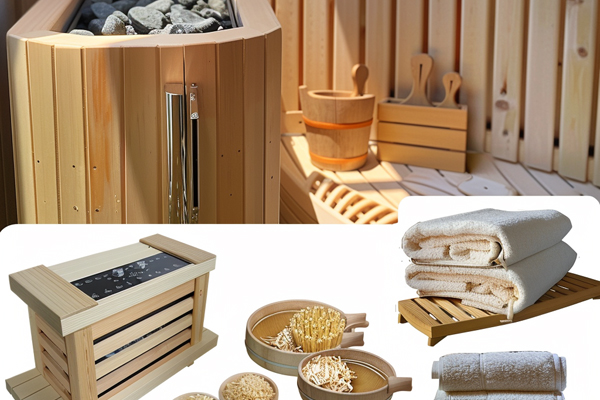
The final cost varies based on material quality, labor costs, sauna size, and the level of customization selected.
Homeowners can choose between DIY construction and professional installation, which significantly affects the overall budget.
What Is Included in the Cost?
| Component | Description | Estimated Cost |
|---|---|---|
| Wood Panels | Cedar is preferred for its durability | $1,000–$2,000 |
| Insulation | Improves efficiency, minimizes heat loss | $300–$600 |
| Heater | Choose based on size and style | $500–$1,500 |
| Glass Doors | Enhances modern aesthetics | $400–$800 |
| Labor (Optional) | Professional installation services | $1,000–$2,000 |
Optional features such as LED lighting, sound systems, or smart control panels may add an extra $500 to $2,000.
What Factors Affect Sauna Cost?
- Location: Outdoor saunas may require extra weatherproofing.
- Customization: Unique designs or premium finishes increase cost.
- Size: Larger saunas require more materials and stronger heaters.
How Does DIY vs Professional Sauna Installation Compare?
| Option | Benefits | Drawbacks |
|---|---|---|
| DIY Installation | Cost-effective, customizable | Time-consuming, requires expertise |
| Professional Help | Faster, guaranteed quality | Higher upfront costs |
DIY Tips:
- Pre-built sauna kits simplify construction but may limit customization.pre-built sauna kits pros and cons.
- Ensure access to basic tools like saws, drills, and hammers.
- Follow the manufacturer’s instructions for safe and efficient installation.
Common Challenges When Building a Sauna Room (and How to Avoid Them)
Skipping crucial steps during construction often leads to inefficiencies or safety risks.
Challenges include poor ventilation, incorrect material choices, and neglecting safety measures, all of which increase long-term costs.
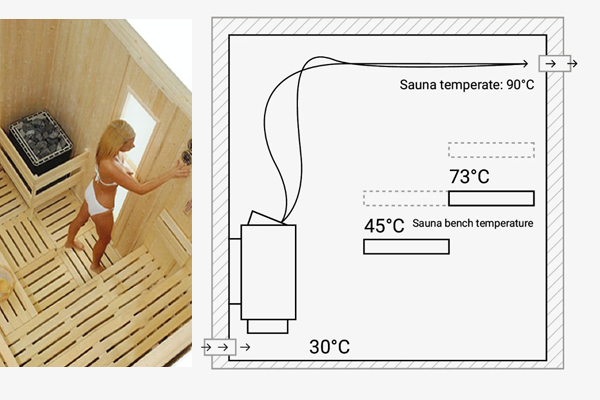
Ventilation Mistakes to Avoid
Improper ventilation can cause discomfort and damage. Always ensure airflow by:
- Installing intake vents low on walls for fresh air.
- Placing exhaust vents near the ceiling to release hot air.
- Using heat-resistant ducting materials.
Choosing the Right Materials
Selecting substandard materials leads to frequent repairs and higher costs. Prioritize durability:
| Material | Pros | Cons |
|---|---|---|
| Cedar | Aromatic, moisture-resistant | Higher cost |
| Pinewood | Affordable, natural aesthetic | Prone to wear over time |
| Glass Doors | Modern look, visually enlarges the space | Increases heat loss |
Ensuring Safety Compliance
Install key safety features, including:
- Heat-resistant flooring materials.
- Emergency shut-off switches for the heater.
- Properly certified electrical work by professionals.
Safety Tips:
- Avoid using untreated wood, as it can emit harmful fumes.
- Install protective guards around heaters to prevent burns.
- Regularly inspect all components to ensure optimal performance.
Sauna Room Cost: FAQs and Answers
How much does it cost to build a sauna room in 2026? (Full Cost Breakdown)
A sauna room typically costs between $3,000 and $6,000 depending on size, materials, and installation method. Learn more from U.S. Department of Energy on energy-efficient heating systems2.
What is the cheapest way to build a sauna?
A DIY sauna using pre-built kits and budget-friendly materials like pine is the most cost-effective option. Reference: DIY Home Sauna Guide3.
Is DIY sauna installation worth it?
Yes, if you have basic construction skills. It can reduce costs by 20%–40%, but requires more time and effort. See: Sauna Installation Overview – Health & Safety4.
How long does it take to build a sauna?
A DIY sauna usually takes 3–7 days, while professional installation can be completed in 1–3 days. More details: Professional Sauna Building Standards5.
Expert Tips for Sauna Room Planning (EEAT)
This guide is based on practical experience from real sauna installations and industry standards.
To ensure a safe and durable sauna system, it is recommended to:
- Use certified electrical components for heater installation
- Follow proper insulation and vapor barrier standards
- Ensure ventilation design meets sauna engineering guidelines
- Select materials that are heat-resistant and moisture-resistant
For commercial sauna projects, working with an experienced manufacturer can help reduce risk, improve build quality, and ensure long-term performance.
Proper planning at the early stage will significantly reduce maintenance costs and extend the lifespan of your sauna.
Conclusion
Building a sauna room requires planning, the right materials, and attention to details like ventilation and safety to ensure success.
-
U.S. Department of Energy – Heating and Cooling – https://www.energy.gov/energysaver/heat-and-cool ↩
-
DIY Sauna Guide – https://www.saunahelp.com/diy-sauna-guide/ ↩
-
Sauna Health & Safety – https://www.jacuzzi.com/en-us/Essential-Guide-to-Successful-Sauna.html#:~:text=The%20installation%20of%20saunas%20may%20require%20permits,especially%20for%20electrical%20work%20and%20accessory%20structures. ↩
-
NFPA – National Fire Protection Association – https://www.nfpa.org/ ↩


