 Skip to content
 In real home and commercial sauna use, choosing the correct order of sauna and massage determines whether heat supports recovery or causes unnecessary fatigue.
Using a sauna or massage incorrectly can reduce benefits and cause fatigue. Many people unknowingly choose the wrong sequence and end up feeling drained instead of refreshed.
Choosing the right order of sauna and massage affects relaxation, muscle recovery, circulation, and overall safety. A small timing change can significantly improve results and help avoid unnecessary strain.
This guide explains how different goals—flexibility, recovery, or stress relief—determine whether sauna or massage should come first.
- Using sauna and massage in the correct order improves results and reduces fatigue
- Sauna first supports flexibility and muscle preparation
- Massage first enhances relaxation and nervous system recovery
- The best sequence depends on user type and health goals
Should You Use a Sauna Before or After a Massage for Optimal Results?
If you are planning to use a sauna as part of your routine, understanding when to combine it with massage is essential for getting real benefits instead of fatigue.
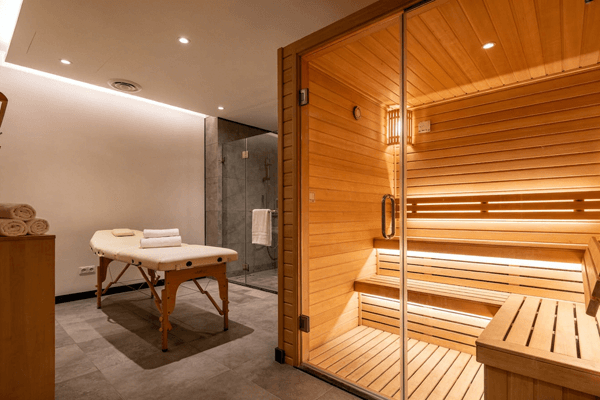
Many people wonder if sauna should come first or last. Doing it wrong can reduce flexibility or relaxation1.
Using sauna and massage in the right order depends on your goal: flexibility, recovery, or relaxation.
Why Sauna Before Massage May Improve Flexibility
Heating muscles before massage helps them relax faster. Sauna warms tissues, making them more pliable and responsive to manual pressure.
Sauna first can prevent muscle strain and improve stretching during massage.
Key Points
| Benefit | Sauna First | Massage First |
|---|---|---|
| Muscle flexibility | High | Medium |
| Relaxation | Medium | High |
| Risk of fatigue | Medium | Low |
Warm muscles respond better to deep massage techniques. Sauna first can reduce the likelihood of soreness after treatment. For example, after a long workweek, using a short sauna session before a back massage helps loosen tight muscles and improves flexibility.
Many athletes prefer this order because it prepares muscles for deeper stretching and helps prevent minor injuries. Additionally, sauna first increases blood flow, allowing massage techniques to reach tight areas more effectively.
Why Massage Before Sauna Can Enhance Relaxation
Massage first can calm the nervous system. Sauna afterward continues warming muscles gently without demanding physical effort.
This order helps people focus on relaxation rather than performance or recovery.
Comparison
| Benefit | Massage First | Sauna First |
|---|---|---|
| Nervous system calm | High | Medium |
| Blood flow | Medium | High |
| Stress relief | High | Medium |
If your goal is stress relief[^2] rather than flexibility, massage before sauna is usually ideal. Massage activates the parasympathetic nervous system, lowering cortisol levels and calming the mind.
Following massage with a gentle sauna helps maintain warmth and circulation without overexertion. Sauna afterward also supports circulation, helping the body remove metabolic waste efficiently. This combination works particularly well for office workers or people with sedentary routines.
Which Order Is Better for Athletes vs Regular Users?
Athletes often prioritize flexibility and injury prevention. Regular users may focus more on calm and stress relief.
Goal determines order: sauna first for athletes, massage first for general relaxation.
| User Type | Recommended Order | Reason |
|---|---|---|
| Athlete | Sauna → Massage | Enhances flexibility, reduces injury risk |
| Regular | Massage → Sauna | Maximizes relaxation, reduces stress |
Athletes benefit from preparing muscles with heat, allowing deeper and safer massage work. Regular users focused on unwinding may feel better starting with massage and ending with sauna. Matching the order to the goal ensures both physical recovery and mental relaxation are fully supported.
How Does Sauna Timing Affect Muscle Recovery and Relaxation?
Timing matters. Too long or too short sessions can limit benefits or increase fatigue.
Understanding timing helps prevent overwork and improves recovery after physical activity.
How Hydration Impacts Sauna and Massage Benefits
Dehydration can reduce muscle recovery2 and cause dizziness. Drinking water before and after sessions is key.
Hydration supports circulation, reduces fatigue, and enhances detoxification.
Hydration Table
| Session Type | Water Intake Recommendation |
|---|---|
| Sauna before massage | 250–500 ml |
| Massage before sauna | 150–300 ml |
| Multiple sessions | 500–750 ml total |
Water maintains blood volume and prevents overheating. When I combine sauna and massage, I drink at least 300 ml before starting, then sip water during breaks. Proper hydration also supports lymphatic flow, which is crucial for detoxification. Without enough fluids, circulation slows, muscles recover slower, and fatigue sets in quickly. For multiple sessions in a day, hydration needs to be carefully tracked to prevent both heat stress and muscle strain. Dehydration can also affect joint lubrication and make massage less comfortable, so consistent hydration is critical.
Can Multiple Sessions in a Day Cause Overheating or Fatigue?
Overdoing sauna or massage can backfire. Muscles may feel sore, and heart rate rises.
Limit sessions to avoid heat stress and fatigue.
Risk Factors
| Factor | Low Risk | High Risk |
|---|---|---|
| Session frequency | 1 | 2+ |
| Temperature | Moderate | High |
| Duration | 10–20 min | 30+ min |
Spacing multiple sessions at least 2–4 hours apart reduces strain. Athletes may tolerate shorter intervals, but non-athletes risk dizziness or excessive fatigue. I have experienced that even 20-minute sauna sessions repeated without breaks can make my muscles feel heavy instead of relaxed. Monitoring body signals like heart rate, sweating, and energy levels is essential. Overheating3 can impair recovery and even lead to lightheadedness or nausea.
How Sauna Duration and Timing Influence Muscle Recovery
Short sessions warm muscles; long sessions increase fatigue. Timing before or after exercise matters.
Optimal timing balances warmth and energy without causing exhaustion.
| Timing | Duration | Effect |
|---|---|---|
| Pre-workout | 10–15 min | Flexibility |
| Post-workout | 15–20 min | Recovery |
| Evening | 20–25 min | Relaxation |
I recommend 15–20 minutes for most people to get the benefits without tiring the body. Longer sessions should only be attempted by experienced users or athletes with close monitoring. Short pre-workout sauna prepares muscles for exercise, while post-workout sauna accelerates recovery by increasing circulation and reducing muscle stiffness. Evening sessions promote relaxation, reduce stress hormones, and improve sleep quality.
Can Combining Sauna and Massage Boost Detoxification and Circulation?
Combining them properly improves blood flow and toxin removal. Misuse can reduce these benefits.
The combination is powerful for circulation, lymphatic flow, and relaxation when done safely.
How Sauna Improves Blood Flow Before Massage
Heat from sauna dilates blood vessels, increasing circulation. Massage after enhances this effect.
Pre-massage sauna primes muscles and promotes oxygen delivery.
| Effect | Sauna First | Massage First |
|---|---|---|
| Blood circulation | High | Medium |
| Muscle relaxation | Medium | High |
| Detox support | Medium | Medium |
Starting with sauna makes massage feel deeper because tissues are warmer and more pliable. Increased blood flow also helps remove lactic acid and primes muscles for better flexibility. Sauna before massage also reduces stiffness, improves joint mobility, and allows massage to reach deeper layers safely. I always notice better results in my back and shoulders when following this order.
How Massage Enhances Detox Effects After Sauna
Massage pushes toxins from tissues into circulation, where they can be eliminated. Sauna helps sweat them out.
Post-sauna massage supports lymphatic drainage4 and deeper detox.
Massage stimulates lymph flow, while sauna increases sweating, creating a synergistic effect for detoxification. Personally, after combining sauna and massage, I feel lighter, less tense, and more energetic. This combination also improves nutrient delivery to muscles and skin, enhancing recovery. Many wellness centers use this sequence for optimal results in stress relief and body detoxification.
Are There Synergistic Benefits of Combining Both?
Yes. Using both in correct order multiplies benefits for muscles, nerves, and skin.
Synergy depends on timing, hydration, and session duration.
| Benefit | Sauna + Massage | Sauna Only | Massage Only |
|---|---|---|---|
| Flexibility | High | Medium | Medium |
| Relaxation | High | Medium | High |
| Circulation | High | High | Medium |
| Detoxification | High | Medium | Medium |
Correct combination improves energy, muscle recovery, and overall wellness. Misuse may reduce benefits and increase fatigue.
What Are the Risks of Using Sauna Before or After Massage?
Incorrect use can lead to overheating, dizziness, or muscle strain. Awareness is key.
Understanding risks ensures safe, effective sessions for anyone.
What Common Mistakes People Make When Combining Sauna and Massage?
Skipping hydration, long sessions, or ignoring health conditions5 are common errors.
Avoid these to prevent fatigue or health issues.
| Mistake | Effect | Solution |
|---|---|---|
| Skipping water | Dehydration | Drink water before and after |
| Too long sessions | Fatigue | Limit to 20 min |
| Ignoring conditions | Risk of injury | Consult doctor if needed |
How to Avoid Overheating and Fatigue
Use moderate temperatures, limit session length, and take breaks.
Monitoring your body keeps sauna and massage safe.
Who Is at Risk When Using Sauna and Massage Together?
People with heart problems6, pregnancy, or low fitness should be cautious.
Consultation with a professional is recommended.
How Long Should You Wait Between Sauna and Massage Sessions?
Proper intervals allow muscles to recover and prevent stress.
Waiting ensures maximum effect from both activities.
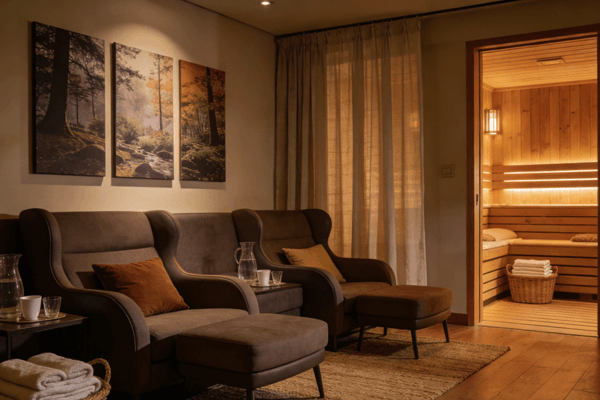
Recommended Waiting Times for Maximum Benefits
10–20 minutes is often ideal. Longer gaps can reduce momentum, shorter gaps may stress the body.
| Session Order | Wait Time | Notes |
|---|---|---|
| Sauna → Massage | 10–15 min | Optimal for flexibility |
| Massage → Sauna | 10–20 min | Optimal for relaxation |
How Short or Long Intervals Affect Recovery
Too short causes fatigue7; too long may reduce blood flow benefits.
Tips for Planning Multiple Sessions in a Day
Space sessions 2–4 hours apart and stay hydrated8. Track energy levels to adjust timing.
Does Sauna Temperature Influence Massage Effectiveness?
Temperature affects muscle readiness and comfort. Incorrect heat can limit results.
Adjust temperature according to user type and goals for best outcomes.
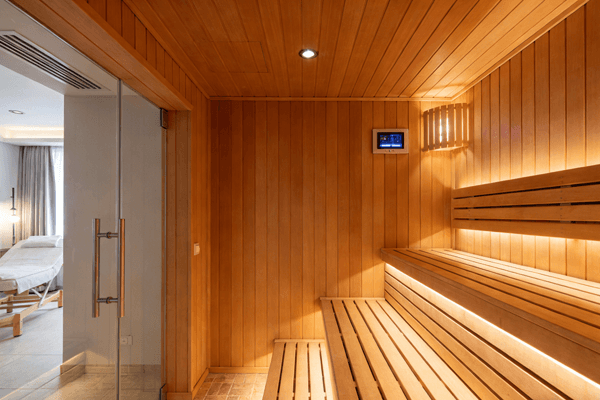
How High or Low Temperatures Affect Muscles
High temperatures loosen muscles quickly but may cause fatigue. Low temperatures may not improve flexibility.
Which Temperature Is Best Before or After Massage
Moderate heat 70–80°C for dry sauna, 45–55°C for steam sauna is optimal.
How to Adjust Temperature for Different Users
Athletes may prefer higher heat for flexibility. Older adults may need lower temperatures.
Are There Differences Between Dry and Steam Sauna Effects on Massage?
Sauna type changes benefits. Dry and steam have unique impacts on muscles and circulation.
Choosing the right sauna type enhances desired results.
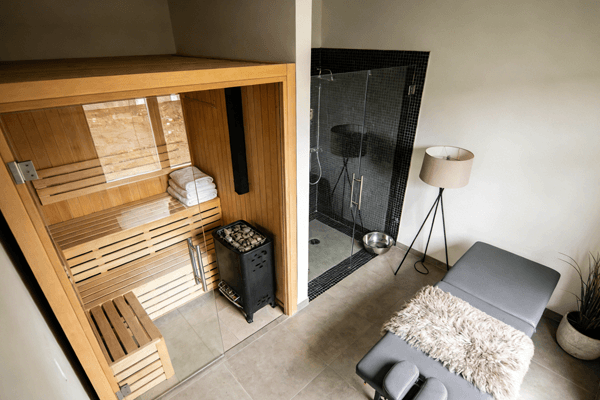
Dry Sauna Benefits vs Steam Sauna Benefits
Dry sauna improves muscle flexibility and circulation. Steam sauna hydrates skin and supports relaxation.
Which Sauna Type Works Best Before Massage
Dry sauna prepares muscles for deep massage.
Which Sauna Type Works Best After Massage
Steam sauna enhances relaxation and hydration post-massage.
Who Should Avoid Combining Sauna and Massage?
Certain health conditions make combination unsafe. Awareness prevents accidents.
Caution ensures safety while still enjoying benefits.
Health Conditions That Require Caution
Heart disease, high blood pressure, and pregnancy require professional advice.
Age and Fitness Considerations
Elderly or unfit users should start with short, moderate sessions.
How to Safely Combine Sauna and Massage for Most Users
Moderate temperature and proper hydration allow safe benefits. Proper spacing, hydration, and attention to body signals ensure a safe and effective combination.
Conclusion
Correct sauna and massage order boosts relaxation, flexibility, circulation, and detox safely for all users.
-
Heat exposure and flexibility research + https://pmc.ncbi.nlm.nih.gov/articles/PMC6801954/ [^2]: Massage for stress relief and cortisol reduction + https://www.mayoclinichealthsystem.org/hometown-health/speaking-of-health/massage-for-depression-anxiety-and-stress ↩
-
Sauna timing and muscle recovery + https://ptcentral.org/blog/the-benefits-and-drawbacks-of-hitting-the-sauna-after-working-out-according-to-pros/ ↩
-
Heat exposure and overheating risks + https://www.hubermanlab.com/topics/sauna-and-heat-exposure ↩
-
Lymphatic drainage massage and detoxification + https://my.clevelandclinic.org/health/treatments/21768-lymphatic-drainage-massage ↩
-
Health conditions and massage safety + https://www.medicalnewstoday.com/articles/313109 ↩
-
Sauna use and heart health + https://www.uclahealth.org/news/article/benefits-sauna-bathing-heart-health ↩
-
Fatigue and physical recovery study + https://pubmed.ncbi.nlm.nih.gov/19402743/ ↩
-
Hydration and physical activity + https://www.betterhealth.vic.gov.au/health/healthyliving/Exercise-the-low-down-on-water-and-drinks ↩


